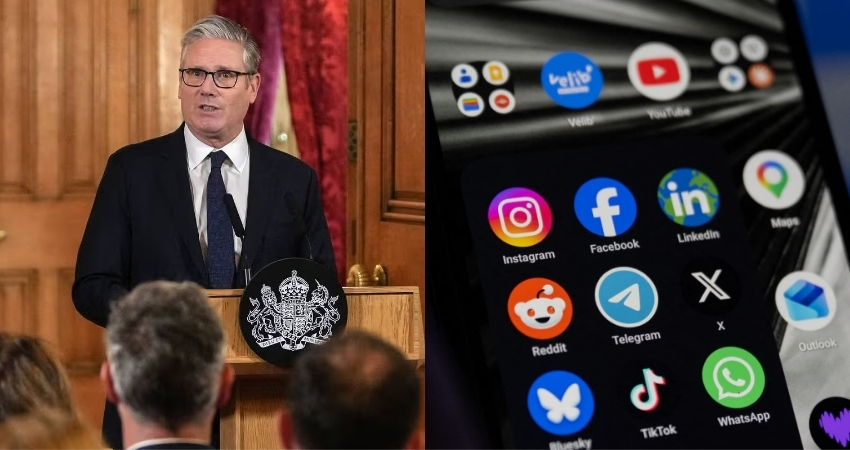
A left-leaning social media platform, Bluesky, may be excluded from Sir Keir Starmer’s planned crackdown on internet use.
The Prime Minister is expected to unveil an “Australia-style” social media restriction aimed at more than 12 million under-16s, claiming it is designed to protect children.
The proposal, which is reportedly stricter than earlier suggestions, would see the government restrict access to a selected list of popular platforms.
Those expected to be affected include TikTok, Instagram, Threads, Facebook, X, YouTube, Snapchat, and Reddit.
However, Bluesky appears likely to avoid being included in the restrictions. The platform previously worked with the Internet Watch Foundation after a rise in child sexual abuse material was reported as its user base expanded.
Another platform, Discord, which is widely used by gamers, is also not currently on the proposed list. Earlier reporting by NBC News found hundreds of active servers linked to child exploitation, which its chief executive later described as “horrifying”.
According to reports in The Guardian, the government could face legal challenges if it is seen to be treating platforms differently without clear justification.
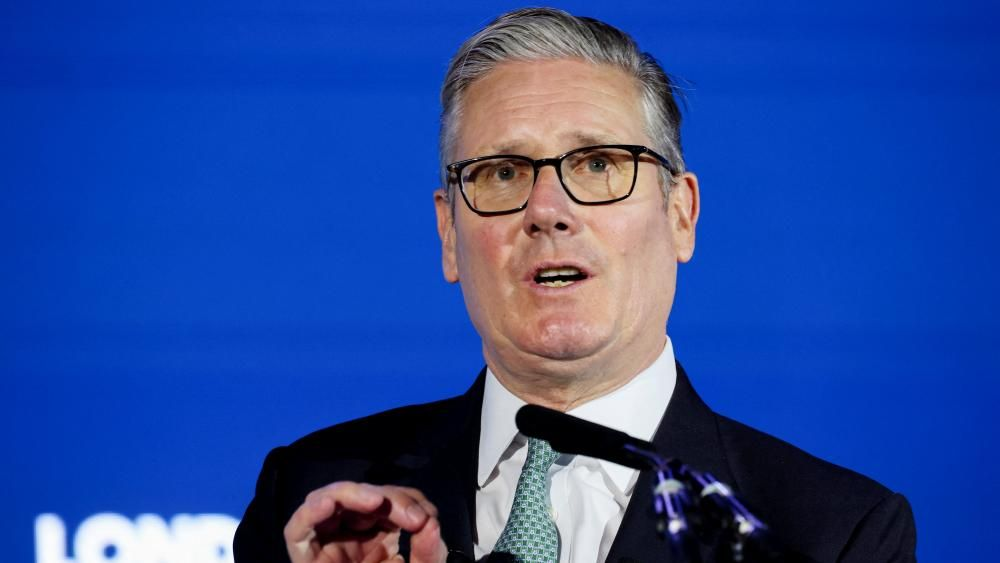
The Sunday Times also reported that the restrictions mirror a list of ten platforms already used in Australia, including TikTok, Snapchat, Instagram, YouTube, Reddit, Twitch, X, Threads, Facebook, and Kick.
Final decisions on which services will be covered are expected to be made later.
Critics, however, have raised concerns about censorship and the creation of a “two-tier” internet system.
Reem Ibrahim of the Reason Foundation suggested the policy could amount to selective censorship, questioning why Bluesky might be excluded while others are targeted.
A separate MP told The Guardian it was inconsistent to consider giving 16-year-olds voting rights while simultaneously restricting their access to election content on platforms like YouTube.
The plans may also include limits for older teenagers up to 18, including restrictions on late-night scrolling.
A public consultation on the issue attracted around 116,000 responses, making it one of the largest ever recorded. Around 91% of parents supported setting 16 as the minimum age for platform access, although they were not asked whether a ban should exist in the first place.
Ahead of a Downing Street briefing, Sir Keir said online child safety was “one of the biggest debates of our time,” adding that parents want their children to be safe and that the government intended to act decisively in their interest.
Support for tougher rules has been broad, with even Conservative figures backing stronger measures. Tory education spokesperson Laura Trott criticised Labour for previously opposing similar proposals, calling the delay “shameful”.
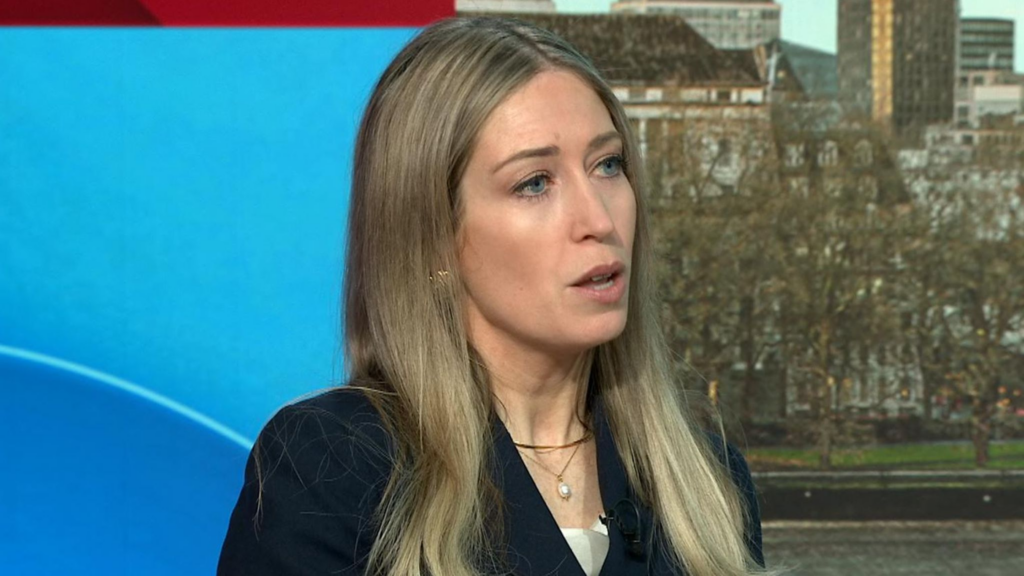
Wes Streeting, seen as a potential future leader, has argued that any ban should be “the start, not the end,” and suggested social media should be treated in a similar way to tobacco.
That view aligns with a report from the Academy of Medical Royal Colleges, which claimed there is strong agreement among members about links between screen use and health harms, though it also acknowledged the underlying evidence remains limited.
Some commentators, including Christopher Snowdon of the Institute of Economic Affairs, have warned that such bans may simply push young users toward VPNs and unregulated apps, arguing that political and media pressure is driving the push for restrictions.