Israel’s Deputy Foreign Minister has accused the UK of showing “immense weakness” after the Iran conflict, as criticism of Sir Keir Starmer’s Middle East stance continues to grow.
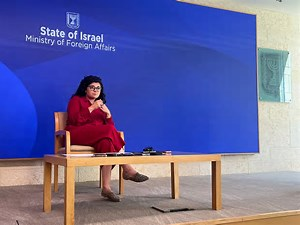
Speaking to GB News in Jerusalem, Sharren Haskel said it was now “questionable whether we can rely” on Britain as an ally, even after hostilities between the US and Iran had eased.
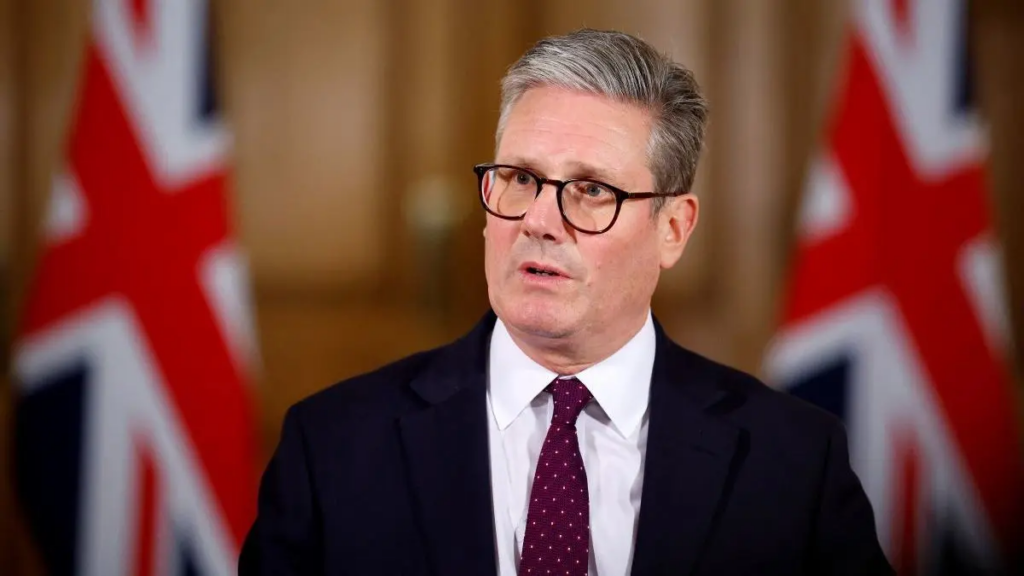
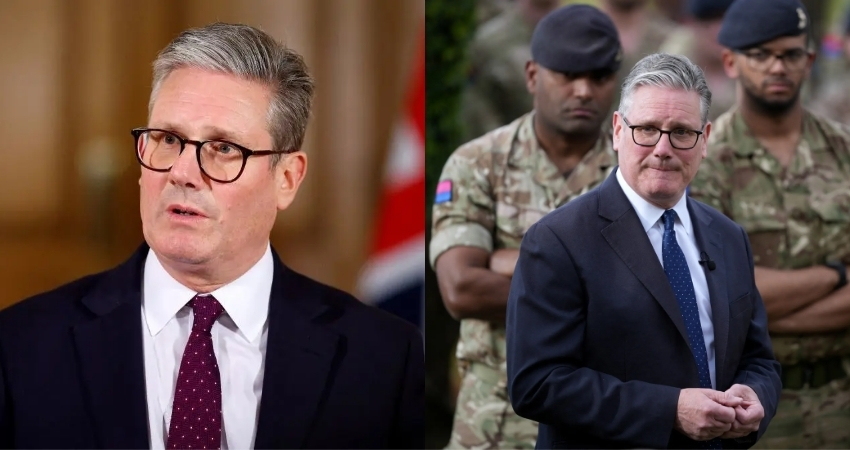
Her comments echo frustrations in Washington, where Donald Trump reportedly called the Prime Minister’s refusal to back offensive action in the region a “very foolish mistake” and questioned whether the so-called special relationship still carried the same weight.
Other senior Israeli figures have also voiced concern about Britain’s reliability going forward.
“It is questionable whether we can rely on the UK and that’s very dangerous,” Haskel said. “There was a huge disappointment… what they did shows immense weakness.”
Asher Fredman, Director for Israel at the Abraham Accords Peace Institute, also criticised European responses, arguing that the UK and others had focused on statements rather than meaningful action.
“Israel did not expect a major European military role,” he said, “but you would hope a country like the UK would be willing to show some muscle in defending its interests.”
Instead, he added, “it seems like the UK, like the EU, France and Germany, were more interested in statements, resolutions and conferences.”
While Downing Street maintained the operations against Iran were not “our war”, Sir Keir Starmer also described the Tehran regime as “utterly abhorrent” and said it must never be allowed to obtain nuclear weapons.
During the conflict, British forces did carry out defensive missions to protect UK personnel, assets and allies in the Gulf.
The UK and Israel have a long and complex history, dating back to the Balfour Declaration and the British Mandate period, and in recent decades have developed close intelligence and defence cooperation. However, relations have become more strained under the current Labour government, particularly over Gaza policy and moves towards recognising a Palestinian state.
Haskel warned that Western hesitation was being closely watched by hostile actors.
“I think the enemies of the free world are watching very, very closely,” she said. “Red lines that once existed are now much less clear.”
She argued that declining European defence capability was part of the problem, warning that many countries may not be ready for a serious conflict.
Military readiness has also become a political issue in the UK, with growing pressure over defence funding and concerns raised about future capabilities.
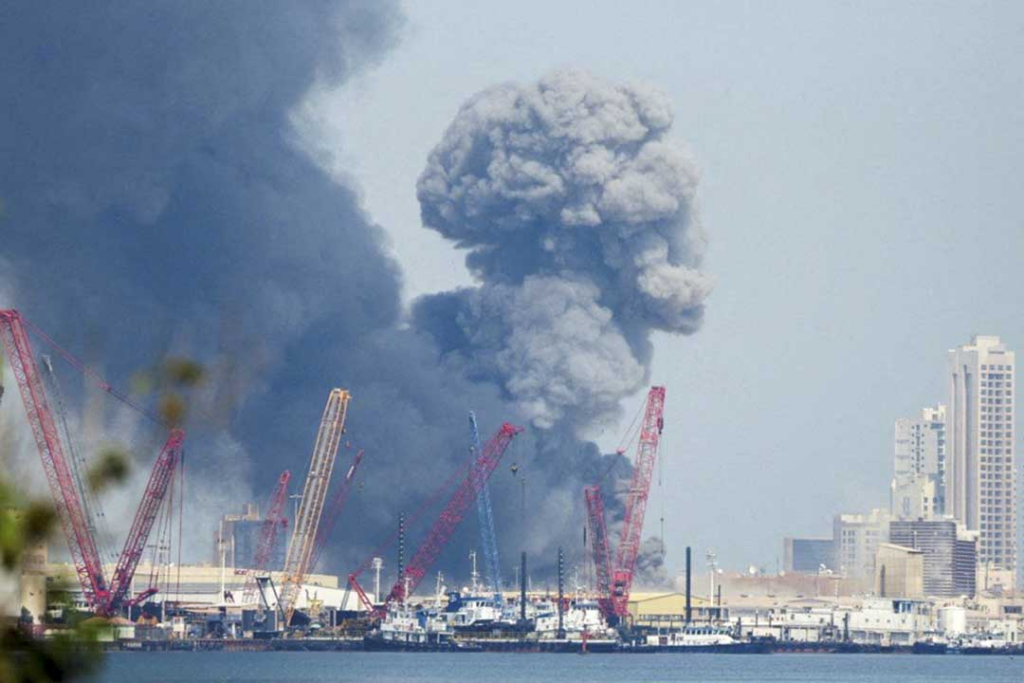
Reports of regional tensions also highlighted the limits of British military reach during the conflict, including activity around UK bases in Cyprus and wider concerns over missile defence capacity.
Despite this, the UK and France are now leading a multinational effort to secure shipping through the Strait of Hormuz, though some Israeli officials believe the move is overdue.
Former Israeli national security adviser Dr Eyal Hulata said Britain and Europe appeared to have limited influence on events on the ground.
“I don’t know if they wanted to have an impact or couldn’t,” he said, suggesting internal NATO tensions may also be playing a role in wider strategic hesitation.
Criticism has also come from within the UK. Former naval officer Stuart Fawcett warned that Britain risks appearing unwilling to defend its values on the global stage.
“We lack the courage and means to stand up for what is right,” he said, arguing the UK should rethink its defence posture and willingness to intervene when necessary.
A Foreign Office spokesperson said the UK remains committed to protecting freedom of navigation in the region and working with international partners to reduce tensions and secure a long-term diplomatic solution.