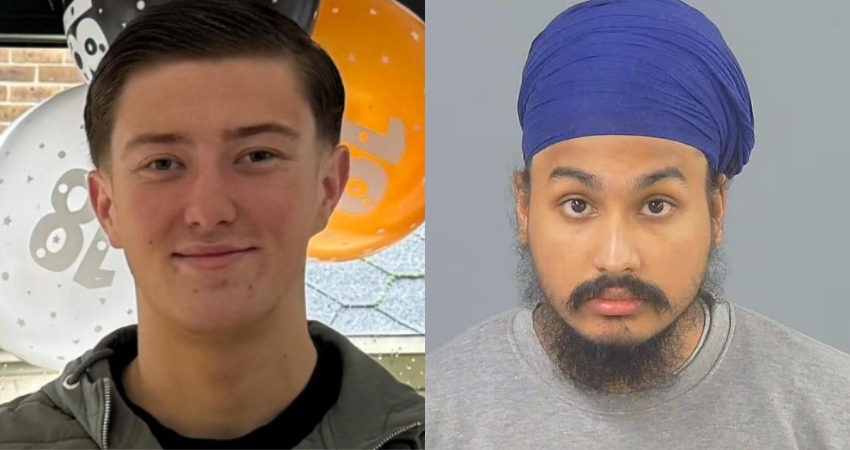
Henry Nowak did not have to die. He became the latest tragic victim of a toxic culture that has seeped into parts of our police force and wider society — a culture that can appear more concerned with allegations of racism than with a young man desperately fighting for his life.
Eighteen-year-old Henry, a promising finance student from Essex, was walking home after a night out in Southampton last December when Vickrum Digwa, 23, stabbed him five times with a 21-centimetre blade. It was a brutal attack that would ultimately cost Henry his life.
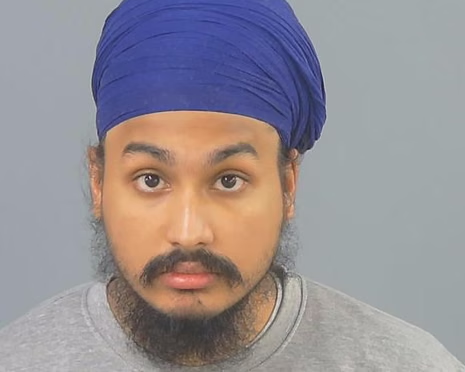
As Henry lay bleeding, repeatedly saying he could not breathe and telling officers he had been stabbed, Digwa claimed that the teenager had racially abused him. That accusation, now exposed as completely false, was seemingly given more weight than the desperate words of a young man suffering from multiple stab wounds.
Instead of treating Henry as the victim, officers handcuffed him. Even more shocking, they failed to carry out the most basic checks to establish whether he was seriously injured. That failure is difficult to comprehend. Henry died from his injuries while in police custody, believing he was the one being treated as a criminal. Few injustices could be more disturbing.
His death has also reignited debate about whether British law applies equally to everyone and whether certain legal exemptions for minority groups remain justified.
On social media, I shared a workplace photograph showing Digwa openly wearing an oversized dagger. My position has been clear from the beginning: there should be one set of rules for everyone. The religious exemption that allows Sikhs to carry certain blades is a form of unequal treatment under the law that deserves serious scrutiny. Many countries around the world do not allow such exemptions, yet Sikh communities continue to thrive there.
Questioning whether people should be permitted to carry blades in public is not an attack on Sikhs. It is a call for equal treatment under the law and a discussion about public safety that should not be off-limits.
Britain needs an open and honest debate on issues like this before tragedies occur, not after. We should be willing to examine laws and policies that may contribute to public safety concerns. If other countries can maintain both religious freedom and restrictions on carrying blades, it is reasonable to ask why Britain cannot do the same. At a time when knife crime remains a major concern, these questions cannot simply be ignored.
Where, too, is the outrage from much of the political establishment? Many public figures spoke passionately about cases overseas, yet have had little to say about Henry’s death. To many people, that silence feels deeply troubling and raises questions about consistency and principle.

Henry should have been preparing for his second year at university. Instead, his family have lost a son, and his future has been taken away. The least we can do now is ensure lessons are learned and meaningful action follows.
We must be willing to challenge any ideology or institutional culture that appears to place political sensitivities above basic humanity and common sense. We should also be prepared to have difficult conversations about equality before the law, without fear or favour.
If we fail to do that, we risk learning nothing from yet another preventable tragedy — and failing yet another young life that should never have been lost.