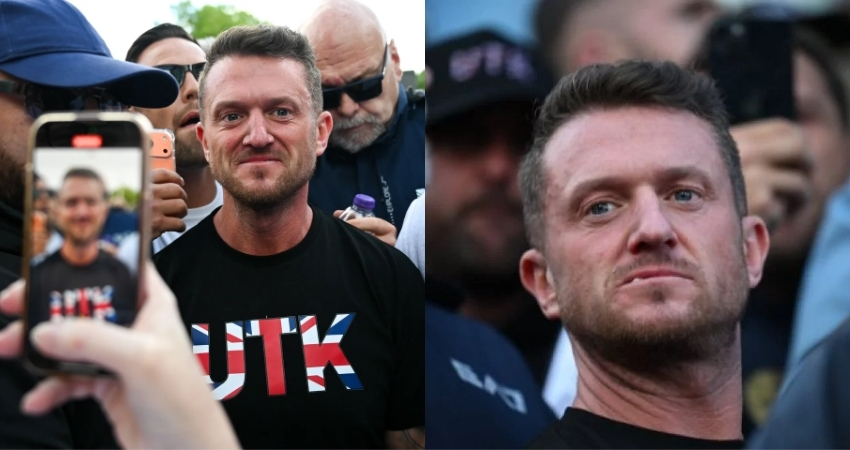
Tommy Robinson has claimed he was detained by police at London Heathrow Airport yesterday under counter-terrorism powers.
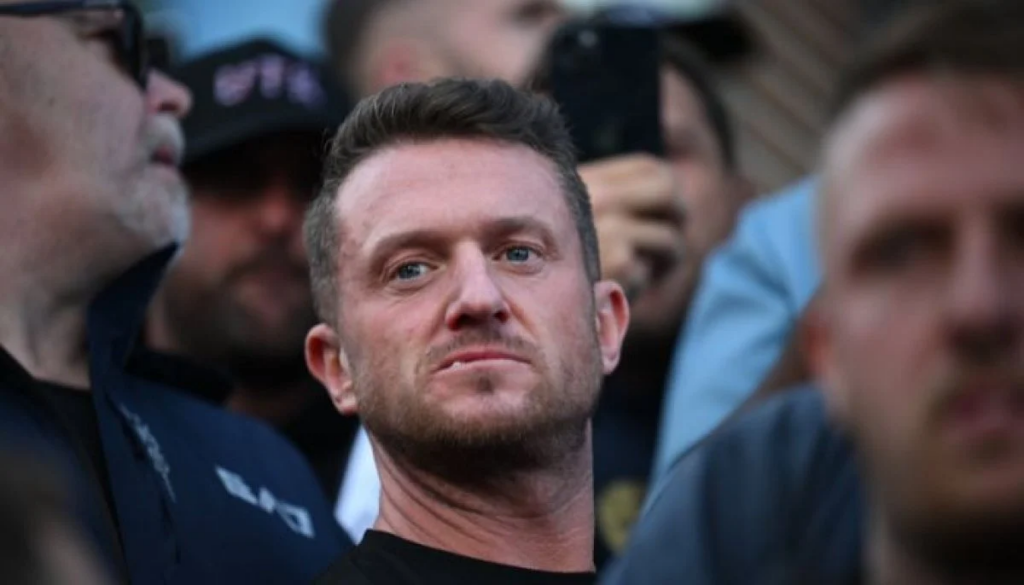
The 43-year-old, whose real name is Stephen Yaxley-Lennon, said officers seized his iPhone and Samsung Galaxy devices under Section 3 of the Counter-Terrorism and Border Security Act 2019.
Posting on social media after the incident, Robinson said he was held for nearly three hours and asked supporters to help cover his legal expenses.
The legislation gives officers at ports the authority to stop, search, question and detain people suspected of travelling for the purpose of carrying out or preparing hostile acts.
The reported detention followed a week in which Robinson’s presence on social media grew significantly.
A spokesman for Robinson reacted on X, writing: “They likely want to know who he is speaking to and perhaps uncover his sources — people who could expose politicians for their role in the abuse of a generation of British girls. This is an attack on free speech and investigative journalism, nothing more and nothing less.”
The Metropolitan Police declined to comment on the circumstances surrounding the incident.
Robinson has attracted increased attention in recent weeks amid growing tensions across Britain, particularly after the release of bodycam footage from Hampshire Police showing the death of 18-year-old Henry Nowak while in police custody in Southampton.
The former English Defence League leader organised protests in the city, where clashes between demonstrators and police left 13 officers and a police dog injured.
Earlier this week, Robinson also shared footage of an attack in Belfast allegedly carried out by a Sudanese asylum seeker, who has since been charged with attempted murder.
Tesla and SpaceX chief Elon Musk later reposted Robinson’s call for protests to his 240 million followers on X.
Robinson was also stopped under similar powers in July 2024 at the Channel Tunnel in Folkestone, Kent. He was later cleared of a terror-related charge after refusing to unlock his phone, arguing that it contained confidential journalistic material.