Britons believe the European Union would likely impose tough conditions on the UK if it tried to rejoin the bloc, potentially including adopting the Euro. However, two unexpected groups have emerged that many Brexit supporters may not have anticipated.
Polling by More in Common shows 45 per cent of Britons think the EU would offer unfavourable terms as a way of punishing the UK for leaving.
Meanwhile, 29 per cent believe Brussels would offer favourable conditions to encourage Britain back into the bloc, while 26 per cent remain unsure.
Unsurprisingly, Leave voters are the most sceptical, with 63 per cent expecting harsh conditions, compared with just 20 per cent who believe the EU would offer favourable terms.
Among Remain voters, 40 per cent think the EU would still impose difficult conditions on the UK, while 35 per cent believe the bloc would offer more welcoming terms.
That said, GB News analysis highlighted two surprising groups that also believe the EU would punish Britain for leaving — supporters of the Liberal Democrats and the Green Party.
While London-based voters and 2024 Labour supporters largely believe the EU would welcome Britain back, Lib Dem and Green voters were noticeably more cautious.
The poll found that 43 per cent of Lib Dem voters and 37 per cent of Green voters believe the EU would punish Britain for Brexit, compared with 33 per cent and 35 per cent respectively who think favourable conditions would be offered.
Overall, nearly half of Britons say they would vote to rejoin the EU in a second referendum, while 28 per cent would prefer to remain outside the bloc. Only 17 per cent now say Brexit has been a success.
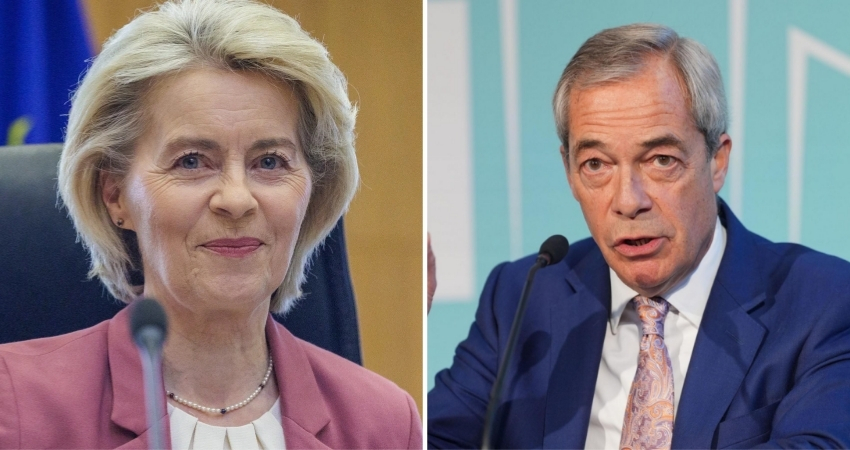
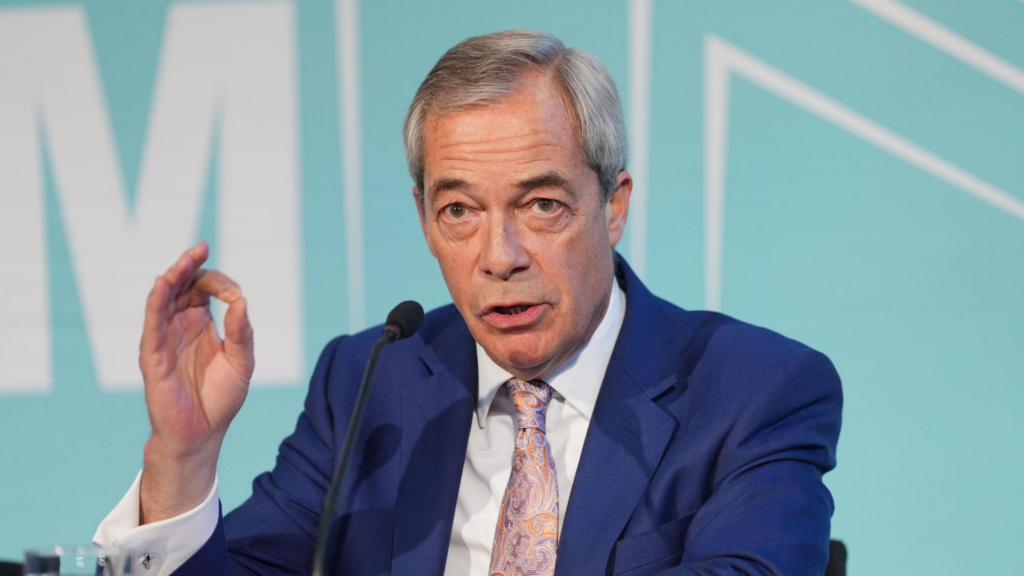
Speaking to GB News, Nigel Farage suggested that holding a second referendum would force Britain to relive the same political “agonies” once again.
When asked about the polling, the MP for Clacton said: “That’s before the real arguments begin. What would it cost us to rejoin? £20 billion a year? A commitment to adopt the euro? Forget it.”
In addition, 41 per cent of Britons said allowing the European Court of Justice jurisdiction over UK laws would be unacceptable, compared with 28 per cent who disagreed.
Former Vote Leave chief executive Matthew Elliott told GB News that Eurosceptics had become complacent since Brexit, while many Remainers had shifted into active supporters of rejoining.
With Andy Burnham expected to challenge for Labour leadership, attention has also turned to his previous comments about wanting the UK to rejoin the EU.
However, Burnham later softened his stance, saying: “The last thing we should do right now is reopen those arguments.”
Lord Elliott added that Burnham and Wes Streeting had both discussed rejoining, suggesting Labour’s leadership may increasingly align with pro-EU parties such as the Lib Dems, Greens, Plaid Cymru and the Scottish National Party.
He also pointed out that both Reform UK and the Conservatives are focused on making greater use of Brexit powers, and both have raised the issue of leaving the European Court of Human Rights, which he argued is central to controlling migration.
The More in Common polling found that two-thirds of Reform UK voters oppose a second referendum, though more than a quarter — 27 per cent — would still support one.
Conservative voters oppose another referendum by a narrower margin of 51 per cent to 41 per cent, while most Labour (65 per cent), Liberal Democrat (71 per cent) and Green voters (78 per cent) support the idea.
Generation Z appears most dissatisfied with Brexit, with over 60 per cent of 18 to 28-year-olds saying they would vote to rejoin the EU if given the chance, compared with just 9 per cent who would vote to stay out.
Around 50 per cent of Britons now view Brexit as a failure, while only 16 per cent consider it a success. Another 34 per cent remain undecided.
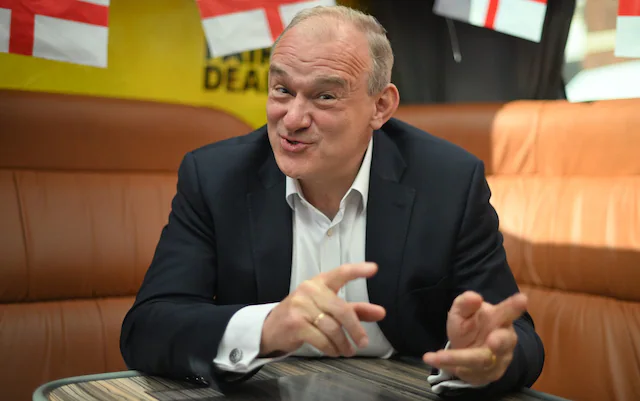
Discussing Brexit’s legacy, Ed Davey told GB News that a new agreement with Europe is “the way forward.”
The Kingston MP said Britain’s struggling economy, rising living costs and growing security threats make closer cooperation with Europe increasingly necessary.
He argued that with Donald Trump no longer seen as a reliable ally by many and with concerns over Vladimir Putin, stronger partnerships with Europe on growth and defence are essential.
Davey added that after years of rising bills and taxes, and with promises made to the NHS unfulfilled, Britain must reassess its relationship with Europe.