A major political row over the state pension is brewing, as future Prime Ministers and governments are being urged to confront the long-term cost of triple lock payment rises.
Former Greater Manchester Mayor Andy Burnham is widely tipped as a possible successor to Prime Minister Keir Starmer and a future occupant of Number 10.
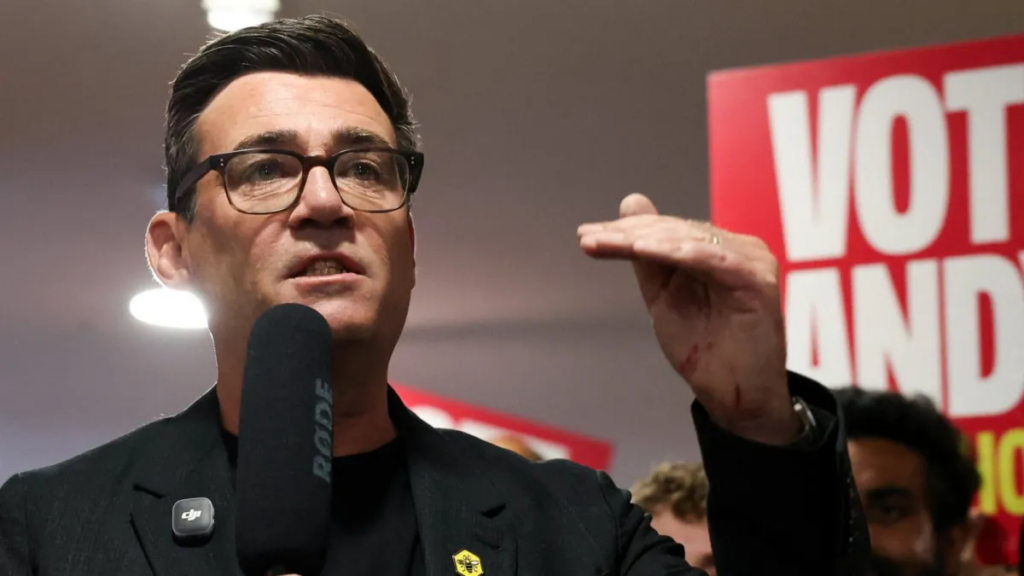
As speculation grows over what economic reforms a Burnham-led government could introduce, pension experts are increasingly calling for changes to the state pension system.
Under the triple lock, state pension payments rise each year based on whichever is highest: inflation, average wage growth, or 2.5 per cent.
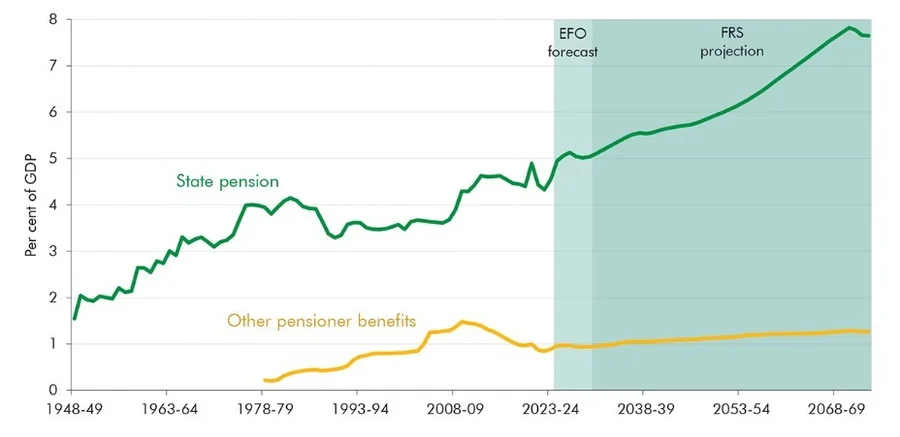
New figures from the Office for Budget Responsibility show the mechanism is now expected to cost the Treasury an extra £10 billion beyond earlier forecasts.
Because of this, retirement industry specialists are urging politicians from all parties to reconsider their promises to keep the triple lock unchanged.
Steven Cameron, pensions director at Aegon, said the next Prime Minister must address the growing financial strain caused by the policy.
He said: “Successive governments have avoided this issue, but politicians and think tanks are now increasingly questioning whether the triple lock can survive in the long term. The current political landscape creates an opportunity for a more open and honest discussion.
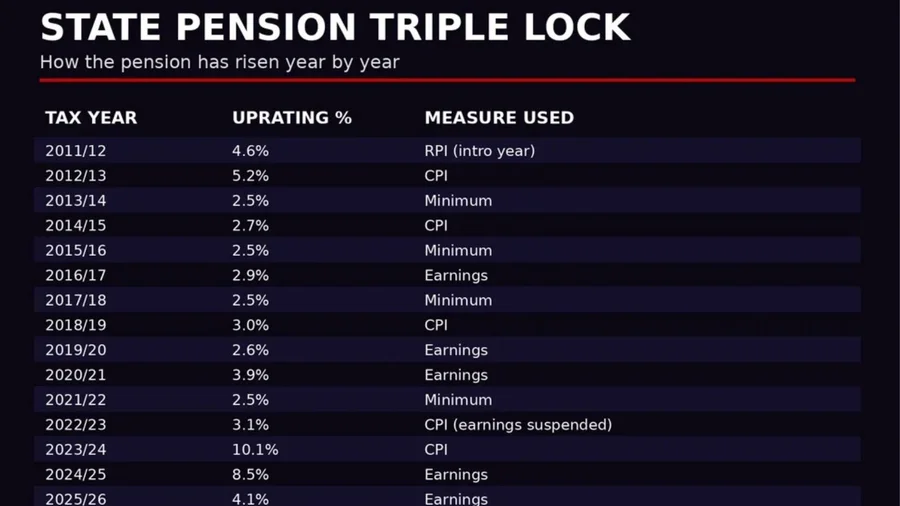
“This is not simply a choice between keeping or scrapping it — there are alternative approaches worth serious consideration.
“Recent comments from Mr Burnham, stating that he would continue backing the triple lock if he became Prime Minister, may reassure current pensioners in the short term.
“But what is needed from all major political leaders is a long-term plan to ensure the state pension remains fair, affordable and sustainable — not just for the next few years, but for decades to come.
“With an ageing population and fewer workers supporting more pensioners, the system is already under pressure. Without reform, the triple lock could place a huge burden on working-age taxpayers and raise serious concerns about fairness between generations.”
Cameron added that Aegon supports a revised version of the triple lock that would keep pensioners protected while reducing volatility.
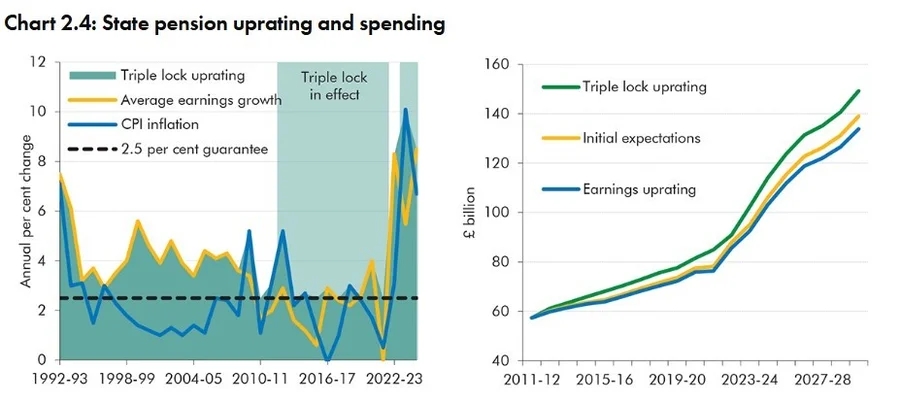
He suggested a model where pensions rise with inflation as a minimum, with additional increases if wage growth exceeds inflation over a longer period, such as three years.
Such an approach, he argued, would smooth out sharp fluctuations, make public finances more predictable and preserve fairness for pensioners.
He added: “If handled properly, reform could help preserve the original aims of the triple lock rather than bring them to an end.
“The debate now needs leadership, honesty and a genuine effort to find common ground across political parties and generations.”