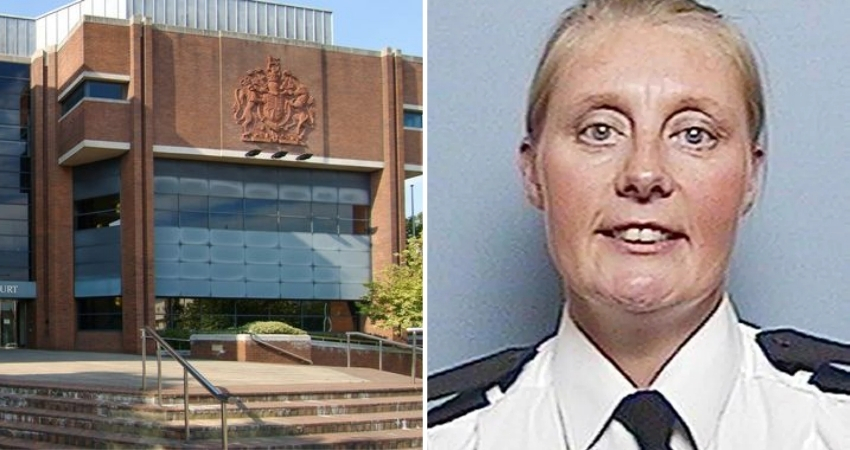
A recently refurbished crown court was forced to adjourn major criminal sentencing hearings this afternoon as soaring temperatures made conditions unbearable, even as many Britons continued working through the heat.
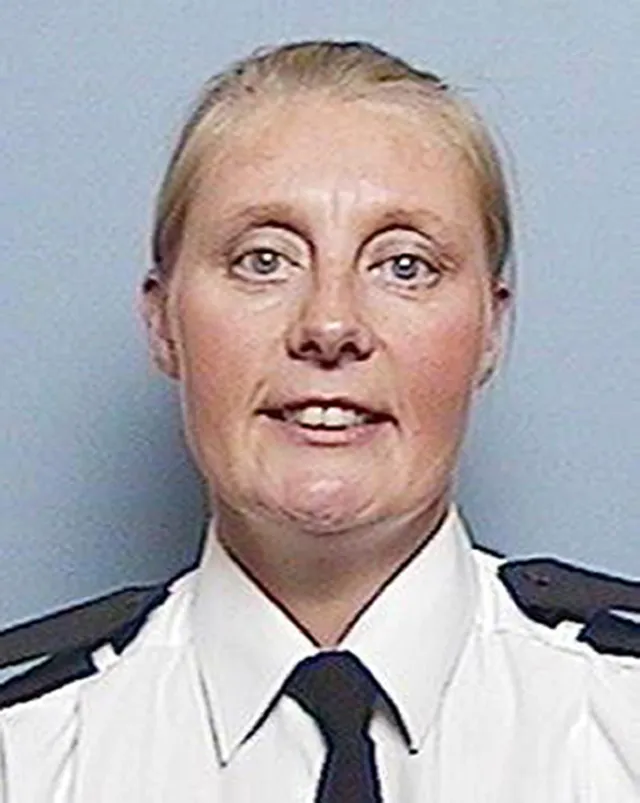
One of the delayed cases at Harrow Crown Court in north-west London involved a major firearms sentencing linked to the 2005 fatal shooting of PC Sharon Beshenivsky.
Getaway driver Faisal Razzaq had been due to be sentenced from 10am alongside five other defendants over their roles in a conspiracy to supply converted blank-firing weapons.
But proceedings were halted after temperatures inside the dock climbed above the 26-degree maximum allowed under health and safety rules, pushing the case back until October.
The delay comes just two months after the court reopened following a £26 million refurbishment.
Meanwhile, many workers across Britain — from scaffolders to bus drivers — continued working in intense heat, often without air conditioning and with no legal requirement for employers to stop work during extreme temperatures.
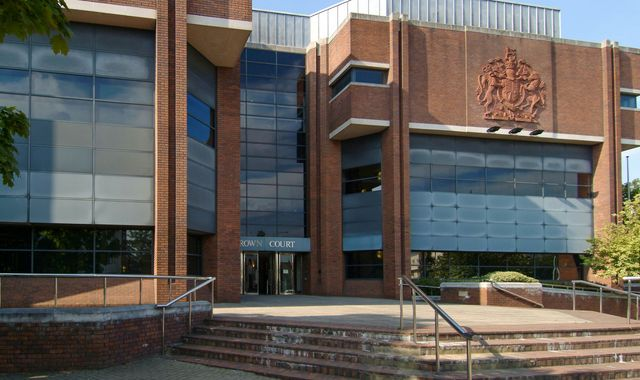
Several fans were reportedly brought into courtroom one, including one aimed at the open door in an effort to cool the space.
The court even considered sentencing defendants in pairs to reduce numbers in the dock, but temperatures still remained above safe limits.
Judge Hannah Kinch said: “I am at a slight loss as to what to suggest,” admitting Harrow Crown Court had never faced proceedings being disrupted by heat.
After pausing the hearing so staff could assess the situation, the judge returned at midday to confirm the case would be adjourned until October.
The court, originally built in 1991, had previously closed after unsafe RAAC concrete was discovered.
Its refurbishment was meant to help deliver faster, fairer justice with modern technology and improved facilities.
Sarah Sackman had described the court’s April reopening as a major boost for London’s overstretched justice system, helping cut delays and speed up cases.
Razzaq, 45, was previously convicted of manslaughter over his role in the deadly armed robbery at Universal Express travel agents in Bradford, West Yorkshire, in November 2005.
He is now due to be sentenced for conspiracy to sell prohibited firearms after receiving weapons intended for criminal buyers.
His five co-defendants include brothers Ricky Dorey and Robert Dorey, along with Patrick Loughnane and Abdul Saleh, all of whom admitted the same firearms conspiracy charge.
Loughnane’s niece, Tammy Rigg, also pleaded guilty to possessing a prohibited firearm and ammunition without a certificate.
Judge Kinch rejected bringing all six defendants into the dock at once alongside security staff, saying the cramped conditions would only make the heat worse.
“We need to operate in a sensible way and not stop every ten minutes,” she said.
“I don’t see how we can hold a fair hearing if we are constantly stopping and starting, and it is not fair to keep defendants in such difficult conditions because of the heat in the dock.”