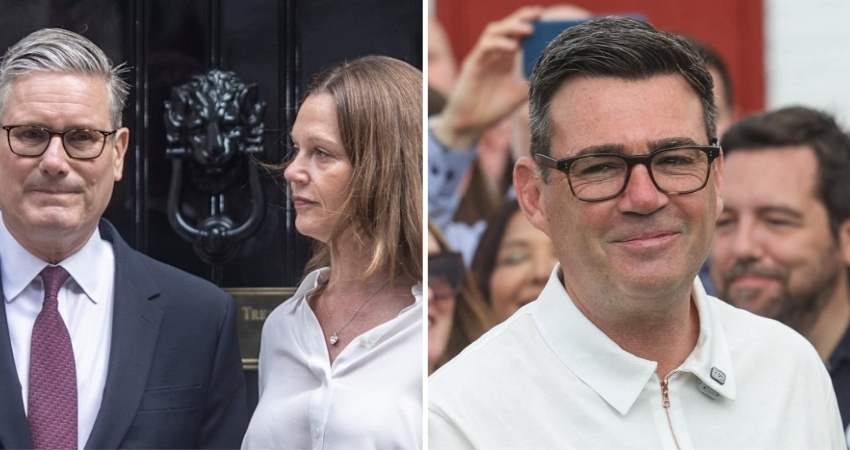
It has been an extraordinary 10 days in British politics. Sir Keir Starmer was in Evian-les-Bains on June 15; by June 22, he was standing outside Number 10, announcing his resignation as Prime Minister.
Sir Keir’s position unravelled quickly after Andy Burnham won the Makerfield by-election, a result that electrified Labour supporters. With more than 55 per cent of the vote share — around 20 points ahead of Nigel Farage’s Reform UK — Burnham’s victory was seen as a turning point.
When Mr Burnham declared: “We must hear it, we must act upon it, and we must get it right. There will be no second chance,” it was widely interpreted as the signal that he was ready to challenge the leadership and test a politically weakened Prime Minister.
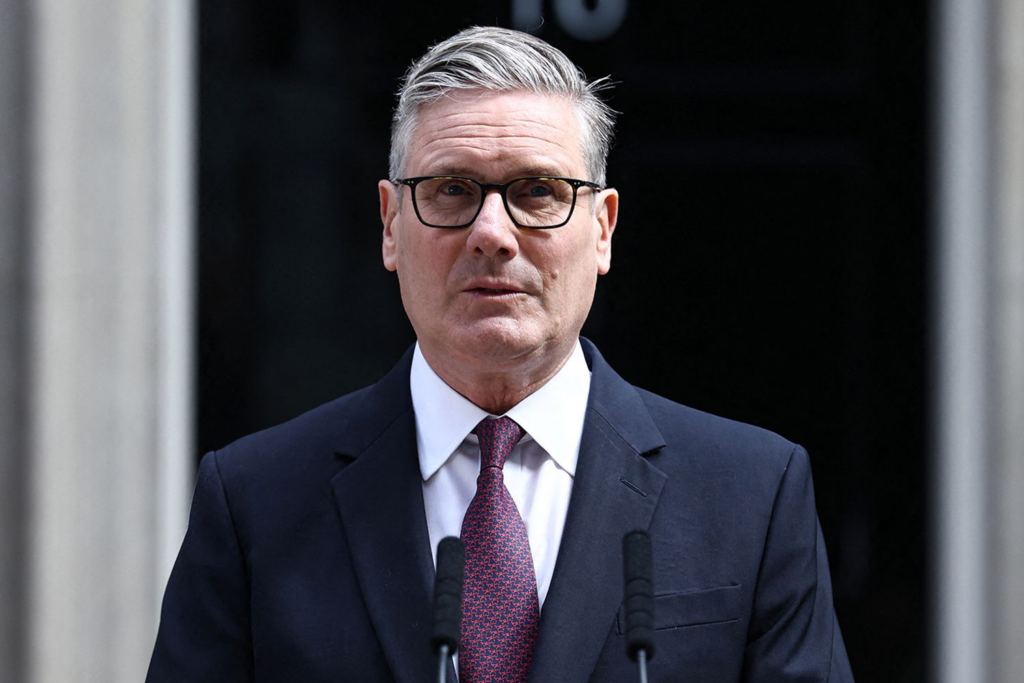
Despite insisting only days earlier that he would continue fighting, Sir Keir soon buckled under mounting pressure and stepped down, promising an orderly handover of power. Some have compared the moment to historic political transitions where leaders stepped aside rather than resist an inevitable shift.
By then, the Labour leader had lost the confidence of his Cabinet and more than 100 backbench MPs, with his authority rapidly draining away after the by-election result. It became clear his position was no longer sustainable.
Baroness Harman, the former Labour deputy leader, captured the mood, saying: “The herd is not just moving against Sir Keir Starmer, it’s stampeding.”
With his authority gone, attention has now shifted to his legacy — something every Prime Minister is ultimately judged on.
Nowhere is this more apparent than in defence. The Prime Minister has prioritised signing off the Defence Investment Plan (DIP) ahead of the Nato summit in Turkey on July 7.
He has said: “We will publish it before the Nato summit.”
However, there has been ambiguity over whether Mr Burnham would need to approve it, effectively giving him influence over the final shape of the defence strategy.
Sir Keir also issued a warning to his successor on immigration the same day, saying: “Fewer crossings mean there are less people that need to be housed.
“There is more to do, but we are in a much better place than we were two years ago.
“The ambition is to close those asylum hotels, reduce those channel crossings. Nobody should be making that crossing.
“And having got it more under control it’s about keeping it under control and not letting it spiral like the last government.”
But such warnings now feel like some of the few tools left at his disposal as his time in office winds down.
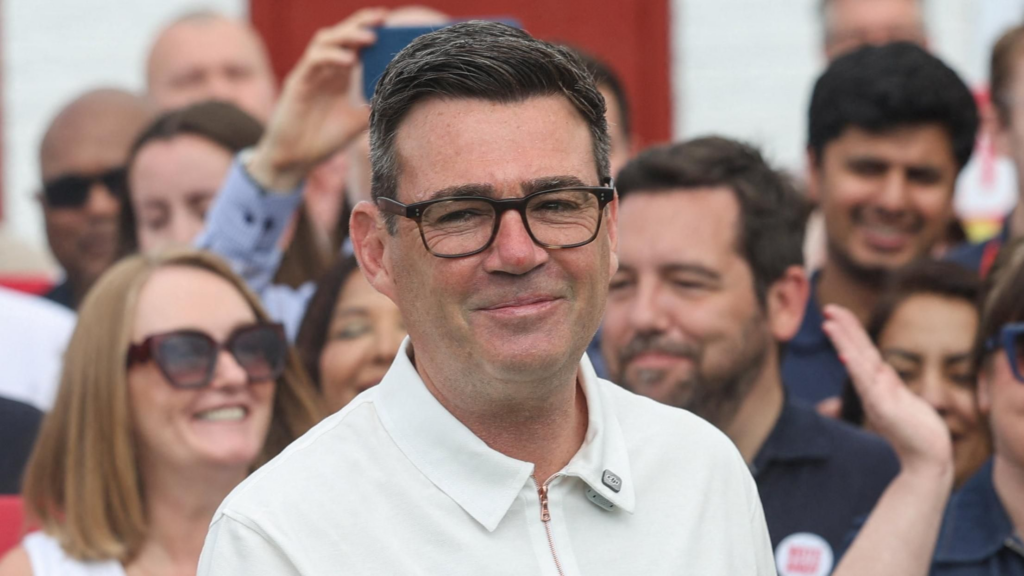
He is expected to serve just over two years as Prime Minister before handing over power to Mr Burnham on July 20.
What stands out most is how little is known about Mr Burnham’s actual policy programme. For now, he remains something of a blank slate, with different wings of the Labour Party projecting their own expectations onto him.
That situation cannot last — and likely won’t, with Mr Burnham due to set out his economic plans in a major speech on Monday.
What he says will be crucial in shaping the early direction of the next premiership and giving the country a clearer sense of what comes next.