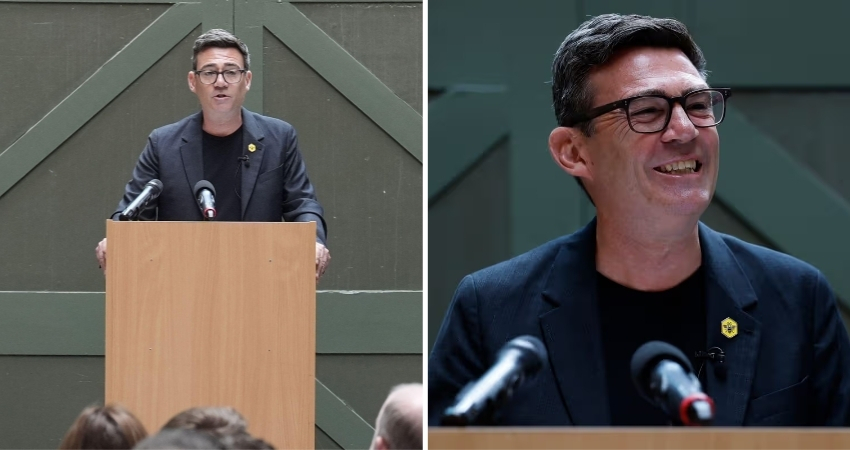
Andy Burnham isn’t even Prime Minister yet, but he’s already shown exactly what kind of leader he’d be: gutless, weak, and allergic to accountability.
After his much hyped speech promising to “Rewire Britain” and deliver the “circuit breaker” the country supposedly needs, Labour’s new ‘messiah’ was apparently too scared to face questions about what any of it actually means or explain his economic vision for Britain.
That’s right. The man we’re told is going to save the country seems to have so little confidence in his own ideas that he couldn’t handle being questioned by journalists asking the same questions voters want answered.
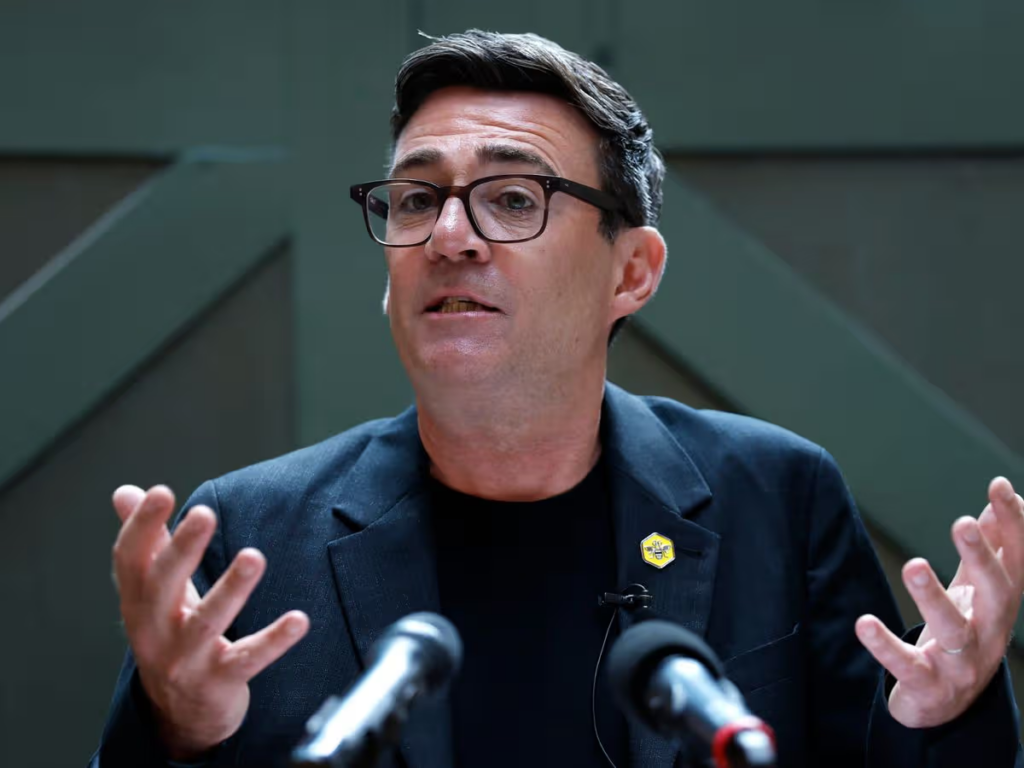
Sure, there was plenty of passion and emotional rhetoric, but no real substance. No detail. No practical policies. No serious explanation of how he plans to tackle the problems engulfing the country.
It was all hot air, the kind of tub thumping Labour speech we used to hear 25 years ago, back when politicians could get away with shouting a few fantasy policies and expect loyal supporters to cheer them on.
But times have changed. People see how this game works now. Anyone who thinks this barnstorming speech, well, barnstorming by Burnham’s standards, proves he has what it takes to be Prime Minister needs their head checked. To everyone else, it looked like the same old Andy Burnham: all mouth and no trousers.
His grand devolution plan seems to boil down to handing power to local mayors so he doesn’t have to make difficult or unpopular decisions himself. And conveniently, when things go wrong, he can dodge responsibility.
But that’s nowhere near a serious blueprint for governing a country drowning in debt, dysfunction, and crisis, a country crying out for strong leadership.
My guess? The real reason Burnham ducked questions is because the small circle pushing him toward Number 10 doesn’t want him exposed to serious scrutiny just yet. They know another disastrous interview could expose him for what he is: ill prepared, shallow, and lacking substance.
Anyone who watched his painful interview with Victoria Derbyshire a couple of weeks ago will know exactly what I mean. She barely asked tough questions, yet he still ended up stumbling and muttering his way through it.
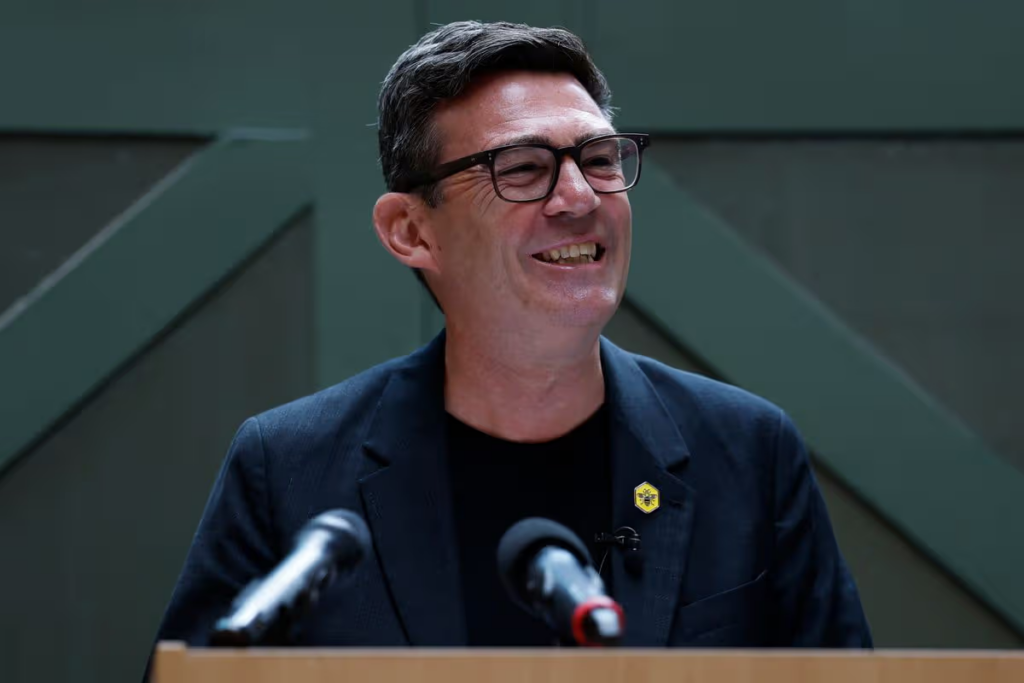
At one point, she asked whether he’d stick to Rachel Reeves’ fiscal rules and if so, could he explain them. The panic in his eyes was obvious. He clearly didn’t know what the rules were and tried to dodge by saying he wouldn’t be drawn into a “test like” situation.
Why not? If he wants to be Prime Minister, knowing the fiscal rules is the bare minimum. And answering difficult questions comes with the job.
Today’s refusal to face the press only reinforces the suspicion that his devolution plan is little more than a vague concept, no costings, no detail, no clear roadmap. Keir Starmer forcing an earlier timeline has likely left him scrambling.
In other words, he doesn’t have a plan, just a collection of big, expensive ideas with no clear sense of whether they’ll work.
And why choose Manchester for this big political relaunch? My guess is simple: after eight years as mayor, Burnham feels far safer on home turf than in the brutal world of Westminster, and that doesn’t inspire confidence.
He knew Manchester would give him a hand picked audience of loyal supporters and left wing admirers ready to applaud every line. And that’s exactly what happened.
As for the fantasy of a “Number 10 in the North,” that’s political theatre. Nothing more. It’s clearly aimed at winning back Red Wall voters.
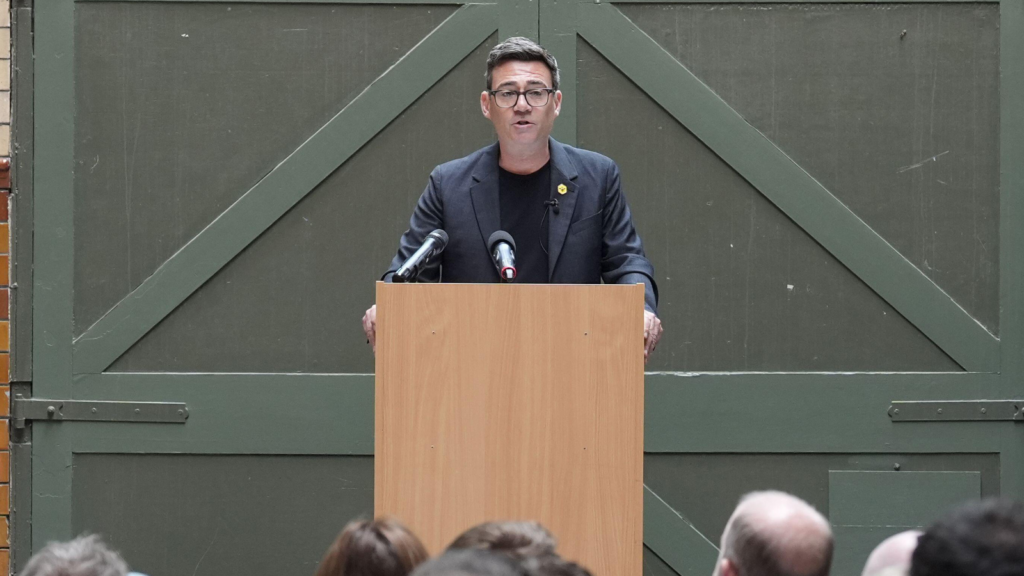
“Give me ten years to fix Britain,” he said.
Please, no. Ten years under this political novice and Britain could be bankrupt. Give it ten months and we’d already be heading downhill fast.
More worrying than the speech itself was his refusal to face the media. That’s a massive red flag. It suggests he has little interest in accountability or being held responsible for what he says.
If he believed in his plans, he’d defend them publicly. Instead, he ran from scrutiny.
And if he struggles with journalists, how exactly is he supposed to survive the relentless pressure of Parliament, especially under attacks from Kemi Badenoch and Nigel Farage? Once they press him on costs and delivery, he’ll fold.
Badenoch was right when she said: “He doesn’t have a plan beyond telling local mayors to sort it out. This is not good enough. There is a country to govern.”
And she’s right. Burnham can talk endlessly about devolution, despite its mixed record in places like Scotland, but Britain’s problems demand more.
There’s a ballooning welfare bill, defence spending pressures, uncontrolled immigration, and millions out of work. What’s his answer to any of that?
Apparently, nothing beyond devolution, a slow, expensive restructuring that could take years and money Britain simply doesn’t have.
Worse still, shifting power to regions weakens central government’s ability to act decisively. And when local authorities fail, as many already have, who ends up footing the bill? Westminster.
So what’s the point?
The only people likely impressed by Burnham’s speech were the loyalists and party insiders pushing him toward Number 10.
For everyone else, it looked like the same old Labour act, just with a different face.