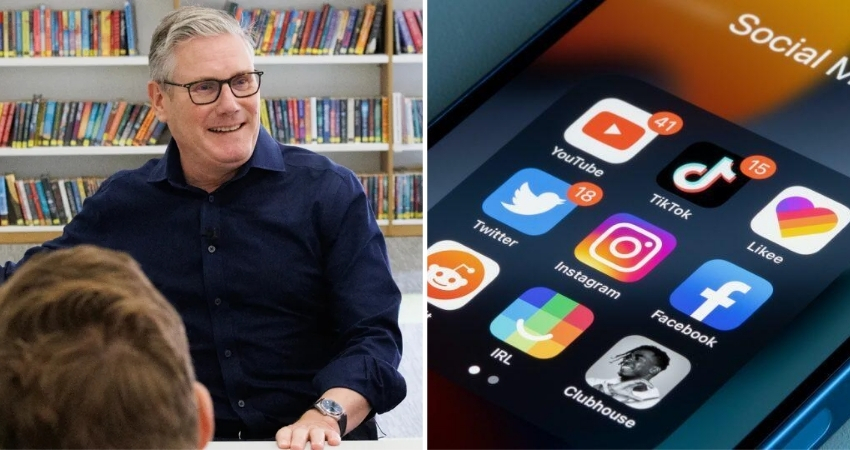
Labour’s plan to make social media platforms push “trusted and accurate” news sources like the BBC has raised fears that users could end up being served more “woke” or left-leaning stories.
On Monday, the Government released its Green Paper, Watch this Space: A New Strategic Direction for UK Media.
The paper outlines proposals requiring social media and video-sharing platforms to give greater visibility to content from public service media (PSM), including the BBC, ITV, and Channel 4.
Under the plans, major mainstream outlets could be pushed to the top of users’ social media feeds when they search for news — even if that’s not the content they actually want to see.
The Government argues that as more people rely on social media for news, there is a growing risk of the public being exposed to misinformation instead of trusted journalism.
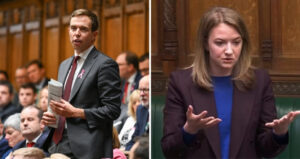
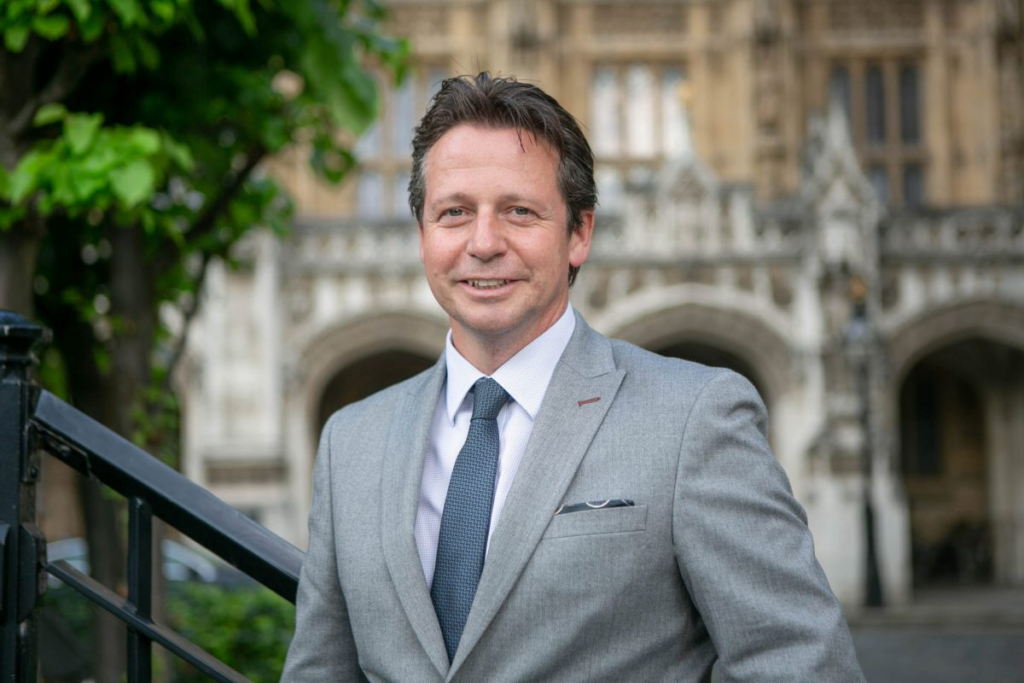
However, Shadow Culture Secretary Nigel Huddleston has questioned who gets to decide which outlets are considered “trustworthy,” warning the policy could create bias over which stories are promoted.
Speaking to The Times, he said: “The proposals are well-intended, especially at a time when misinformation online is clearly a major issue.
“But forcing platforms to prioritise content from certain broadcasters is problematic, because those outlets are not always unbiased or trustworthy either.
“Many people already question the BBC’s coverage of politics, trans issues, and Israel.
“Some may welcome laws that push woke or left-wing content online.
“I’m not one of them, and plenty of others feel the same.”
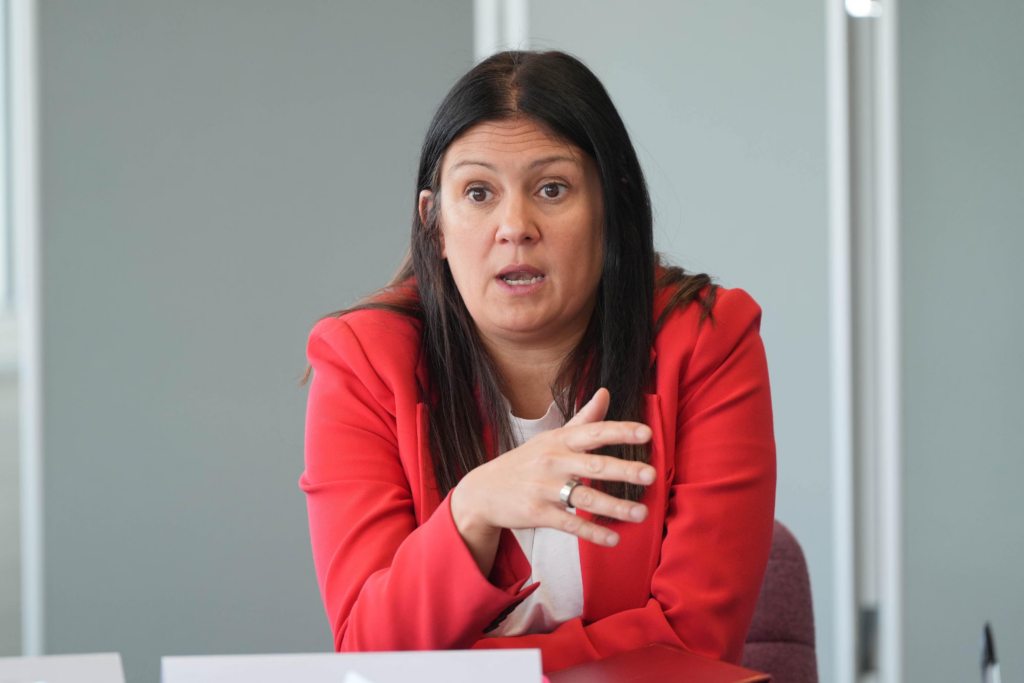
Culture Secretary Lisa Nandy dismissed those concerns, insisting fairness remains central to the consultation.
She said: “This is one of the toughest questions in the consultation — who decides what trustworthy news is, and how that decision is made.
“The definition of public service broadcasting is already set out in law, but trustworthy news is a separate issue, which is exactly why we’re asking these questions.”
Nandy also defended the BBC, calling it “the most trustworthy source of news, not just in Britain but globally.”
“So we should be careful not to undermine the BBC,” she added.
Theo Bamber, chief executive of the News Media Association, warned that decisions about news visibility must protect media diversity.
He said the current proposal risks overshadowing high-quality journalism produced by independent publishers and could reduce the range of trusted voices available to the public.
The proposals come as part of a wider shake-up of Britain’s public service broadcasting system, with reforms aimed at helping broadcasters stay competitive in an increasingly digital world.
Launching the Green Paper earlier this week, Nandy said: “It is vital that people have better access to trusted and accurate news, and that our regulated public service media remains visible in the fight against misinformation and disinformation.
“As the media landscape moves further online and away from traditional broadcasting, we must act to ensure our world-leading TV sector continues to thrive and that high-quality UK content keeps being made.
“Television remains central to our society. It supports social cohesion and remains a cornerstone of our democracy, so as the technology changes, we must protect it for future generations.”