Children aged six and under are among those being considered for appointments at NHS gender clinics.
New figures show more than 250 primary school-aged children are on waiting lists for care at gender identity services across England.
Among them, up to nine are aged six or younger and are recorded as having “gender identity issues”.
Freedom of Information data from NHS England shows children are being referred to three specialist gender services now operating in England.
These services were set up after the 2024 closure of the Gender Identity Development Service, previously run by the Tavistock and Portman NHS Foundation Trust.
At the end of March this year, 4,079 children were on the national waiting list.
That’s down 34% from 6,225 the year before, but thousands are still waiting.
The average wait for a first appointment now stands at 102.6 weeks, slightly improved from 116 weeks in March 2025, but still higher than the 100-week average recorded in 2024.
Of those waiting, 260 are aged between seven and 11.
NHS England has not released exact figures for children aged six and under, citing confidentiality rules due to the small numbers involved.
The Cass Review, led by Dr Hilary Cass, found that children’s gender care had been built on weak evidence and insufficient research around medical interventions.
Following its findings, NHS England tightened referral rules for gender clinics.
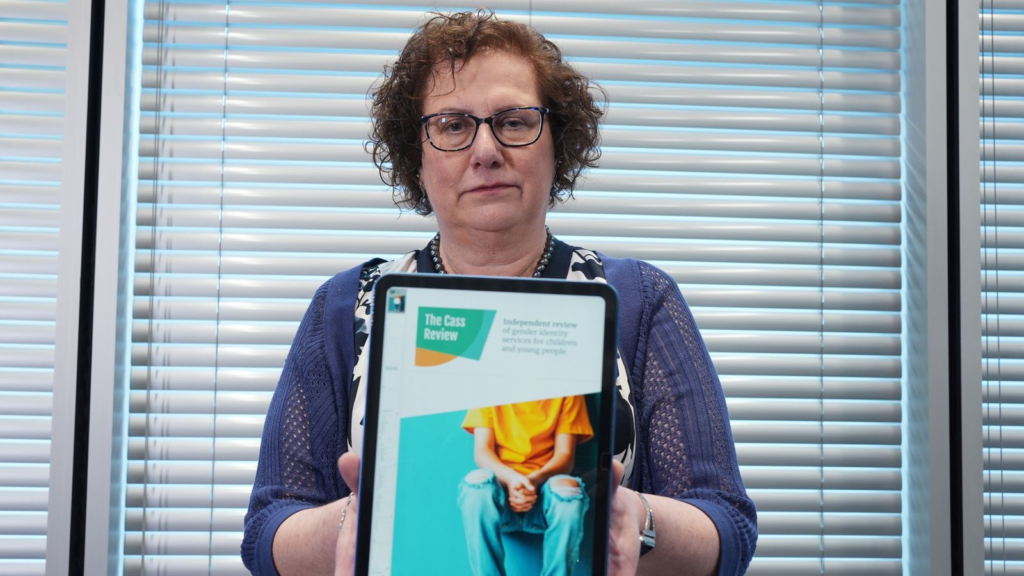
Children must now be assessed by a GP and either a mental health specialist or paediatrician before being referred.
The system has shifted towards a more “holistic approach”, taking into account wider factors such as autism and ADHD.
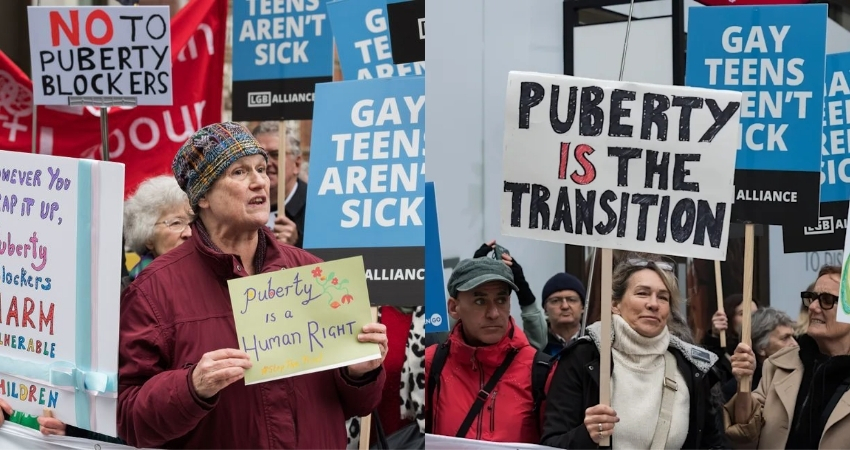
The clinics no longer prescribe puberty blockers, which have been banned on the NHS for treating gender dysphoria since 2024.
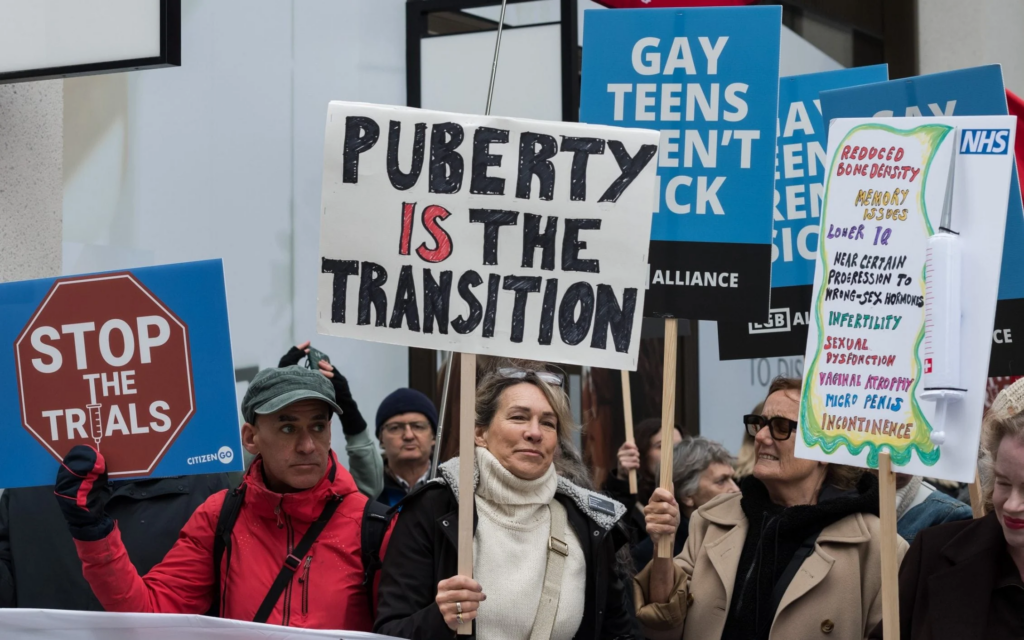
A clinical trial on puberty blockers has set minimum ages of 11 for girls and 12 for boys.
The trial began in November but was paused in February before enrolling any children, after concerns raised by the medicines regulator about possible long-term effects.
Researchers at King’s College London have agreed not to recruit participants until after August 1 due to ongoing legal proceedings.
Legal action is being brought by the Bayswater Support Group, psychotherapist James Esses, and Keira Bell against the Health Research Authority and the Department of Health and Social Care.
JK Rowling has called the trial “an unethical experiment on children who can’t give meaningful consent”.
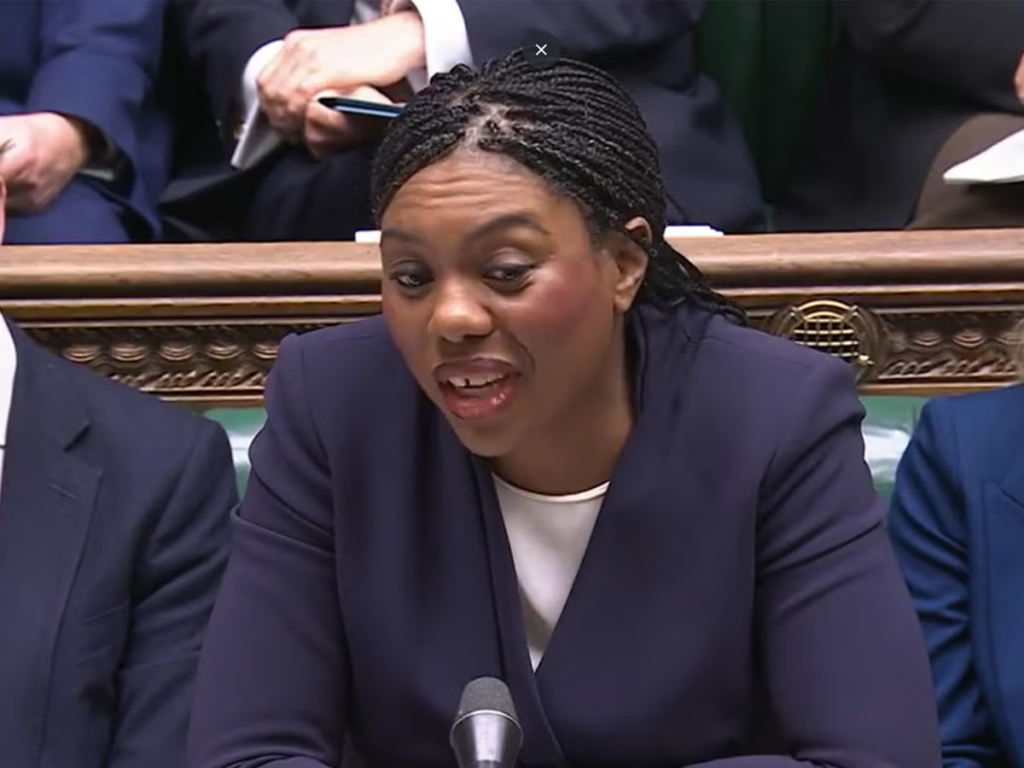
Conservative leader Kemi Badenoch has said her party will seek to block the trial through amendments to the Health Bill.
A Department of Health and Social Care spokesman said: “The safety and wellbeing of young people is paramount. The MHRA has decided to strengthen and add additional safeguards for anyone who might take part in this trial.
“The review by Dr Hilary Cass concluded that not enough was known about the safety and efficacy of puberty-suppressing hormones. It is vital that decisions are based on clinical evidence.
“That is why the use of these hormones was paused and the trial set up to gather more data. The next steps for the trial will be set out in due course, subject to ongoing legal proceedings.”