It’s hard to believe it’s been a decade since David Dimbleby announced at dawn that Britain had voted to leave the European Union.
Since then, the common narrative has been that almost everything that has gone wrong, especially with the economy, can somehow be blamed on Brexit. After Covid, airports across Europe, including Amsterdam, Dublin and Stockholm, were hit by chaos. But because British airports were also struggling, many rushed to claim Brexit was solely to blame.
But Brexit was never just about leaving. More importantly, it was meant to be an opportunity. It gave Britain the freedom, if we were willing to use it, to break free from restrictive rules and regulations and trade more openly with the rest of the world. It created the chance to cut unnecessary bureaucracy, ease pressure on employers, and scrap laws that no longer suited us. In short, it gave us the power to make our own laws, control our borders, and shape our own trade policies again.
Instead, Theresa May made a complete mess of the negotiations, made worse by sacrificing her majority through an ill-judged and overconfident general election.
Boris Johnson’s promise to “get Brexit done” was a powerful campaign slogan, but it was never backed by bold or meaningful action.
The result was confusion and what many saw as a betrayal of Northern Ireland. It’s no surprise the public grew tired of the endless political games, but ignoring the issue still carries risks.
The growing belief that Britain should eventually rejoin the EU — despite little appetite for adopting the euro, reopening borders fully, or paying a huge re-entry cost — seems driven more by public exhaustion with the whole debate than genuine enthusiasm.
Resistance to Keir Starmer’s attempts to “reset” relations with the EU came less from strong pro-Brexit conviction and more from resentment that any government would appear to dismiss the result of a clear public vote.
The true value of Brexit will only become clear when a government is prepared to seize the opportunities that have so far been ignored.
Privately, serious figures inside the EU admitted one of their biggest fears was that Britain could become “Singapore on Thames” — a highly competitive economy on Europe’s doorstep.
So they must have laughed when one of the first things Britain did was raise corporation tax to levels similar to France, only to watch businesses move to the Ireland. Competitive? Hardly.
And despite everything, Brexit has not produced the trade and economic disaster many predicted. Data from the Office for National Statistics suggests several forecasts missed the mark, and in many areas Britain has performed better than expected.
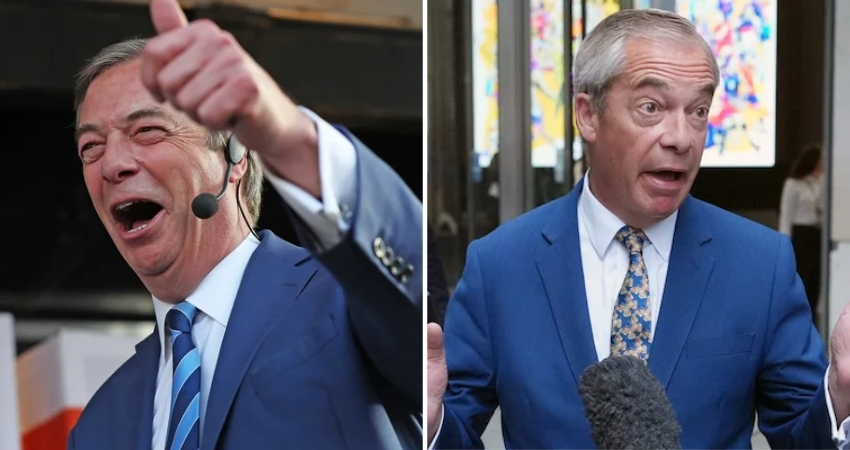
Nigel Farage and his supporters opened the door to escape the EU prison. What Britain needs now are politicians brave enough to lead the country through it.