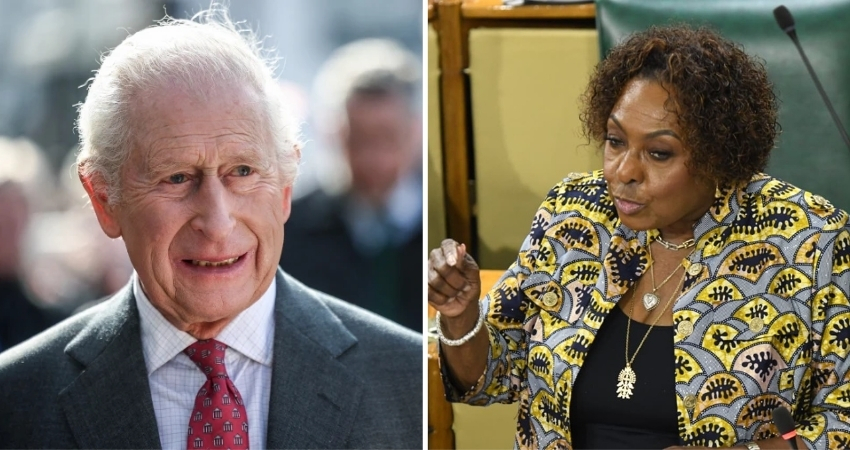
A Jamaican delegation is set to travel to Britain in September to present King Charles with a landmark petition seeking legal clarity over the country’s reparations claim for slavery.
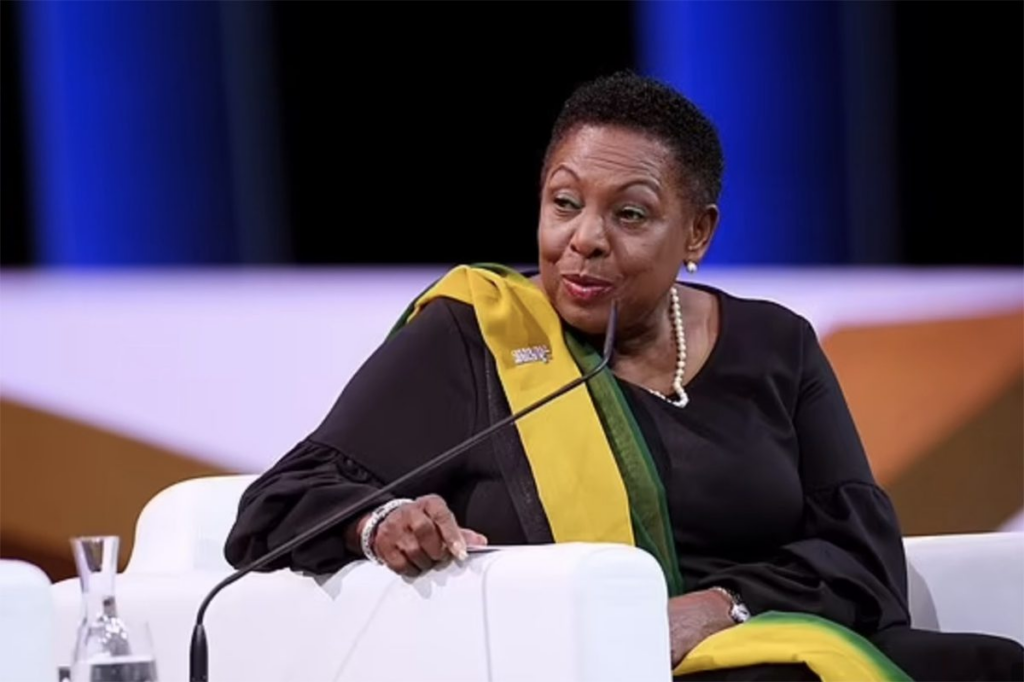
Culture Minister Olivia Grange announced the move in Parliament, confirming the visit will take place on September 6.
The petition, first revealed in June last year, calls on the King to use his authority to seek legal advice from the Judicial Committee of the Privy Council — a step Jamaica hopes could eventually lead to financial compensation.
The committee acts as the highest court of appeal for British Overseas Territories and several Commonwealth nations.
Jamaica’s petition raises three key questions: whether the forced transportation of Africans to Jamaica was lawful, whether it constituted a crime against humanity, and whether Britain has a responsibility to compensate Jamaica for slavery and its long-term impact.
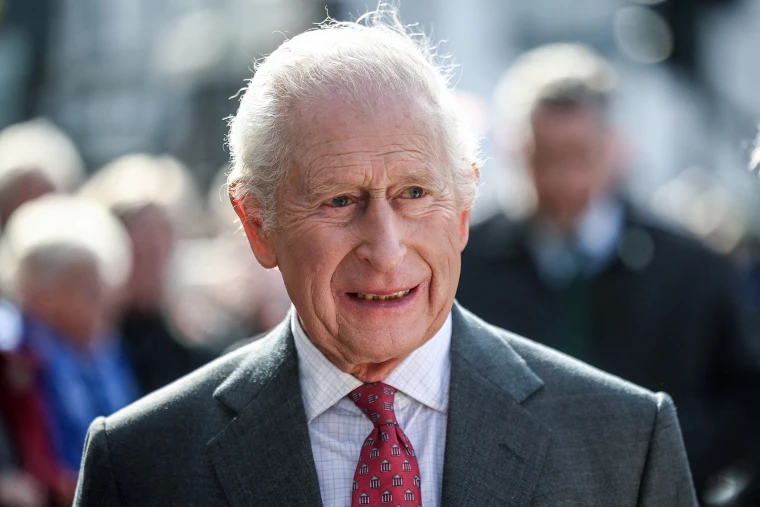
Ms Grange said the appeal is being made to King Charles “in his role as Jamaica’s head of state, from whom we expect protection.”
She added that the wider Caribbean Community fully supports the effort.
“We intend to petition King Charles on September 6, a deeply historic date,” she said.
She noted that on the same day in 1781, the slave ship Zong left West Africa bound for Jamaica carrying 442 enslaved Africans.
Grange recalled the horrific journey, during which the ship’s captain threw enslaved people overboard so insurance claims could be made for lost “cargo.”
Roughly 140 Africans died this way before the vessel arrived at Black River in December 1781.
She also pointed out that when Hurricane Melissa hit Black River last year, causing major damage, a memorial dedicated to those who died remained untouched.
She described it as “the only monument left standing,” saying it served as a reminder of Jamaica’s duty to pursue reparatory justice.
Grange also highlighted what she called the injustice of emancipation in 1834, when plantation owners received compensation for losing their so-called property.
Britain paid £20 million through a loan that was only fully repaid in 2015.
Meanwhile, newly freed Africans were forced into years of unpaid labour for plantation owners, effectively making them work for their own freedom, she said.
Jamaica has already taken reparatory steps domestically, including issuing an apology and transferring land to the country’s Rastafarian community.
The Caribbean Community Reparations Commission recently released a new manifesto outlining the moral, legal and ethical case for compensation.
Laleta Davis Mattis, chair of Jamaica’s National Council on Reparations, called the petition “a major milestone” in the country’s long campaign for justice.
She said the filing reflects joint work by the council’s legal committee, led by attorney Bert Samuels, alongside a team of UK lawyers.
Samuels, deputy chairman of the National Reparations Council, said a UN resolution passed on March 25 has strengthened Jamaica’s case.
The resolution recognised the trafficking of enslaved Africans as one of the gravest crimes against humanity.
He confirmed he will join a legal team led by Attorney General Derrick McKoy to present Jamaica’s case before the Privy Council on behalf of former slaves and their descendants.
Britain has continued to reject calls for slavery reparations and abstained from the UN vote — a move Samuels criticised as “shameful.”
He said Jamaica’s fight is rooted in centuries of resistance.
“We’ve learned from a 300-year struggle for freedom — even when that freedom seemed impossible,” he said.
Samuels added that if the petition is rejected, the backlash could be global.
He argued that oppressed communities around the world have fought for justice, and warned that a refusal from the Privy Council would only intensify calls for accountability.