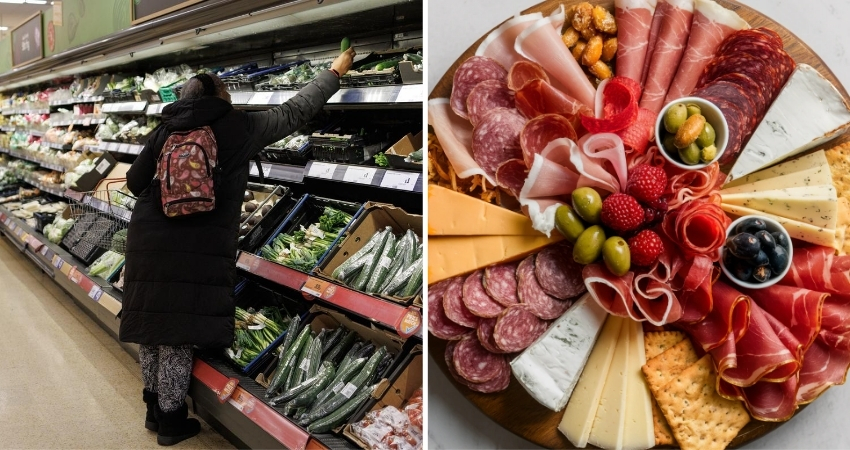
Britain’s biggest supermarket chains have been forced to switch off fridges and throw away food as the UK bakes through what’s now recorded as the three hottest June days ever.
Tesco, Sainsbury’s, M&S and Waitrose were all hit, with stores across the country shutting down chilled and frozen sections. In some cases, customers couldn’t buy meat or dairy at all.
Shoppers shared reports quickly on social media and local groups, with people turning up to find freezer aisles taped off and empty cabinets.
In several branches, staff were seen bagging up stock for disposal as the heatwave dragged on and the systems struggled to cope.
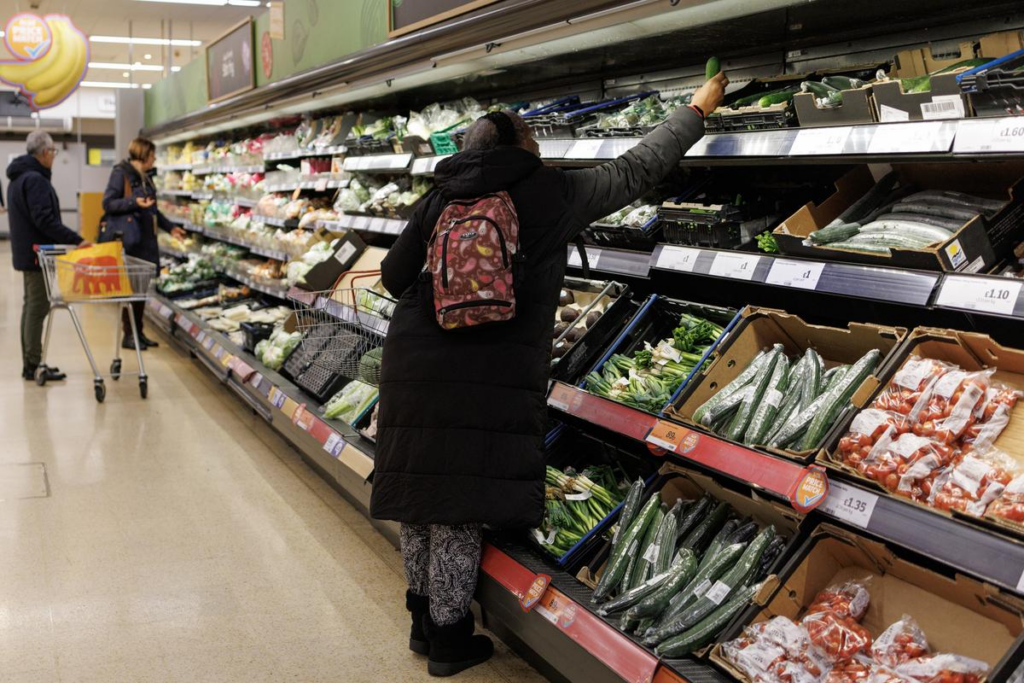
Rupert Ashby, chief executive of the British Frozen Food Federation, said the issue comes down to ageing cooling systems being pushed beyond their limits in extreme heat.
Most UK supermarkets still rely on refrigeration setups installed decades ago, often with linked systems running from central units on rooftops or in car parks.
“These systems might be 40 years old,” he said. “They work well in normal temperatures, pulling heat out and releasing it outside.
“But when it gets extremely hot, they have to work much harder and become far less efficient.”
In older stores, if one unit fails, the whole connected system can go down at once. Reports of disruption have come in from places including Essex, Newcastle, Bristol, Carlisle, and even the Isle of Man.
Ashby stressed this isn’t about cost-cutting, but food safety.
While some shoppers were told the fridges had become too expensive to run, the real problem is that failing systems can’t guarantee safe temperatures for food.
“At the end of the day, it’s a food safety issue,” he said. “Retailers simply can’t risk selling anything that may have gone out of safe conditions.”
Modern supermarkets fitted with plug-in refrigeration units and raised modular flooring tend to handle breakdowns better, as faults can be fixed in smaller sections. In some cases, retailers even placed temporary covers over fridges to help keep the cold in.
The Cold Chain Federation has warned that chilled storage facilities supplying these shops could also start to fail if the extreme heat continues for much longer.
Mr Ashby said he had previously raised concerns with government ministers about the need to upgrade infrastructure to avoid situations like the one seen this week.
He noted that former food minister Daniel Zeichner was more receptive to the warnings than recent counterparts, although he added that the National Preparedness Committee still “takes the issue seriously”.

The federation’s head has now written to Energy Secretary Ed Miliband suggesting a simple adjustment: increasing standard freezer temperatures from the long-standing -18°C setting.
He explained that the current level dates back to early freezer technology. “Do you know why it’s -18°C? It goes back to Clarence Birdseye in 1924, who based it on zero Fahrenheit, which equals -18°C,” he said.
“Technology has moved on massively in the last century, but that setting has never really been revisited.”
He argued that raising freezer temperatures by around three to four degrees would not pose a food safety risk, while also cutting energy use significantly.