Conception has been one of the most difficult and life-changing experiences I have ever had. It’s a journey with hope, disappointment, and continuous praying. My husband and I were elated and had high hopes of having our family four years ago when we got married. We thought it could be a struggle, since I was diagnosed with Polycystic Ovary Syndrome (PCOS) and hydrosalpinx, an obstructed fallopian tube that was eventually removed. But I never knew how hard it would be to get pregnant.
Nothing occurred in our first year. Month after month, I looked at negative tests, each of which eroded my self-assurance. Eventually, we sought the aid of a fertility specialist and embarked on what I now refer to as our “road to fertility.” We decided to be private about our struggles, telling only a small group of close family and friends. Even though they were supportive, many of them couldn’t really connect with what we were experiencing. Infertility can be amazingly lonely, particularly when those around you don’t grasp the emotional strain it exacts.
Over time, the silence on our matter dared others to ask questions and judge us. Strangers, colleagues, even kind-hearted relatives felt compelled to inquire, “When are you going to have children?” or dispense unwanted advice. Those statements pierced me. I saw how much society equates a woman’s worth with her capacity to conceive, and how little people know about infertility. Their remarks were not intended to be hurtful, but they frequently were.
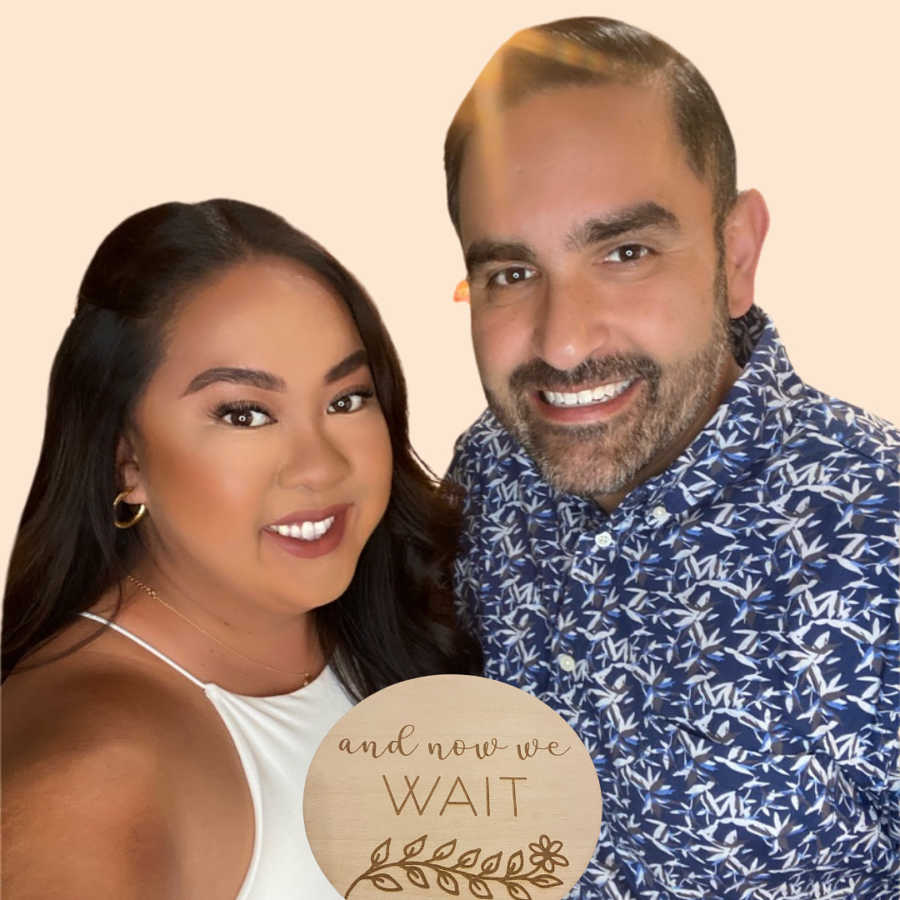
The burden of all those expectations caused me to withdraw from social interactions. I stayed away from gatherings where children would be discussed. There was one Mother’s Day when I could not muster up the courage to attend church because I couldn’t stand to see mothers stand to be honored while I remained seated in sadness. The years went by, and I came to realize that hiding my battle made it have power over me. It became somber and embarrassing, when actually infertility is not something that should be embarrassed about.
My husband and I ultimately decided to be open about our experience publicly. Discussing our story on social media was daunting, yet also liberating. I wanted others experiencing the same suffering to know they weren’t alone. Infertility is a long, isolated journey, and feeling like you belong to a community makes all the difference. By sharing my true self, I hoped to provide a safe community for others to express themselves, learn, and support one another.
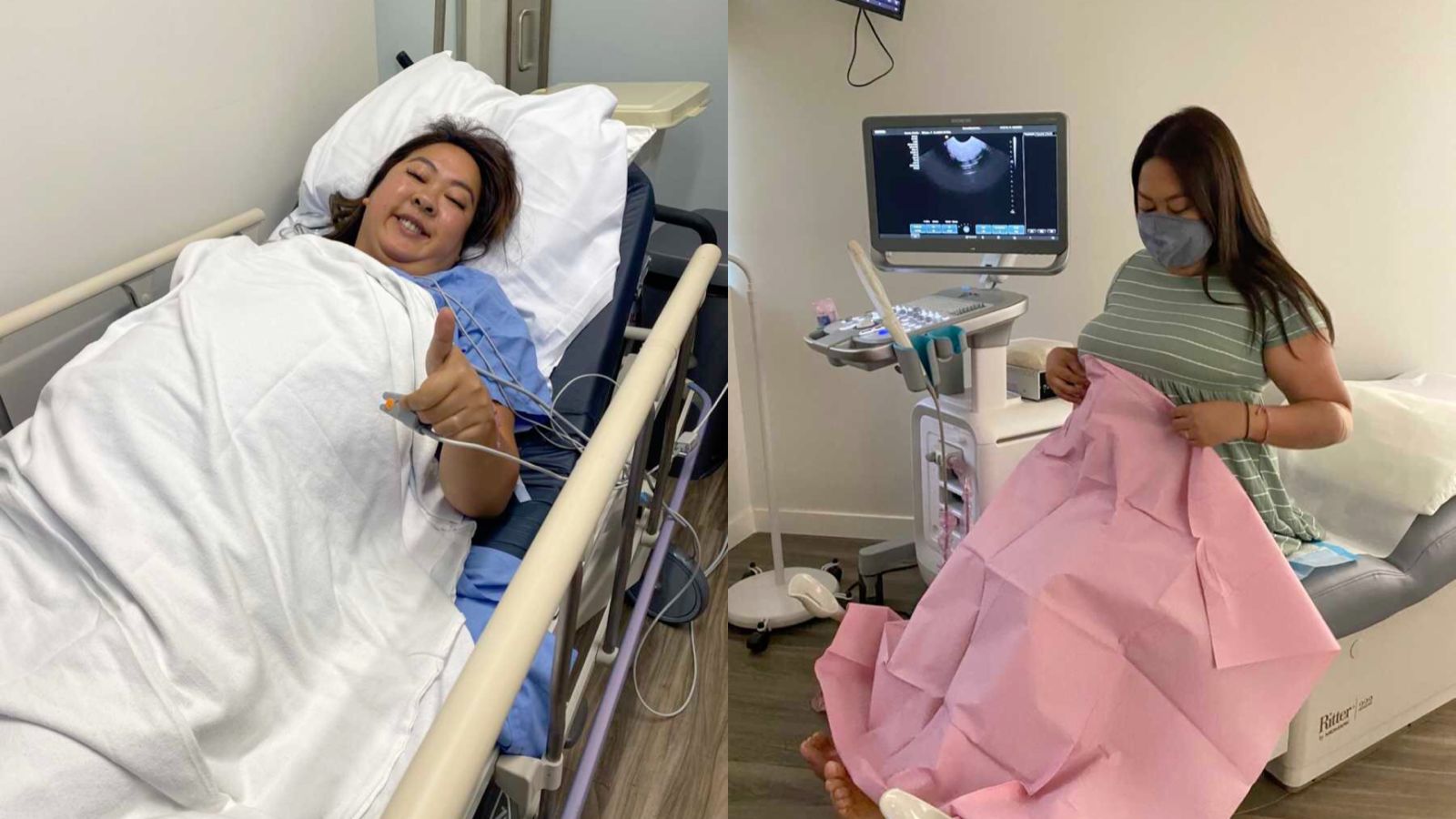
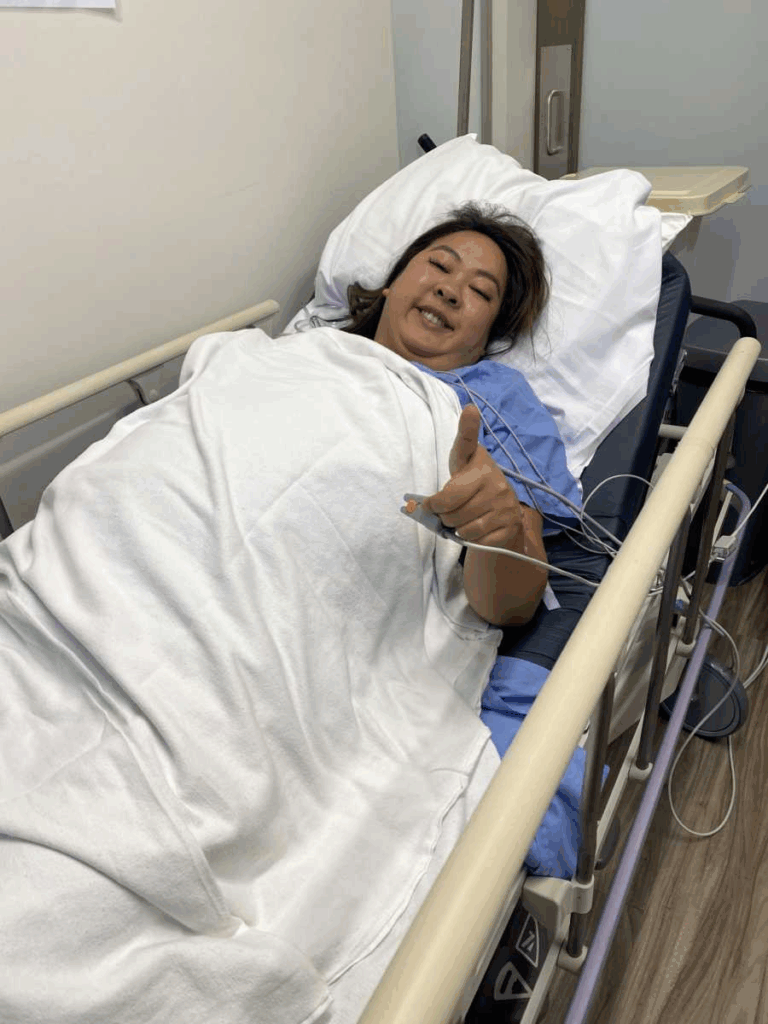
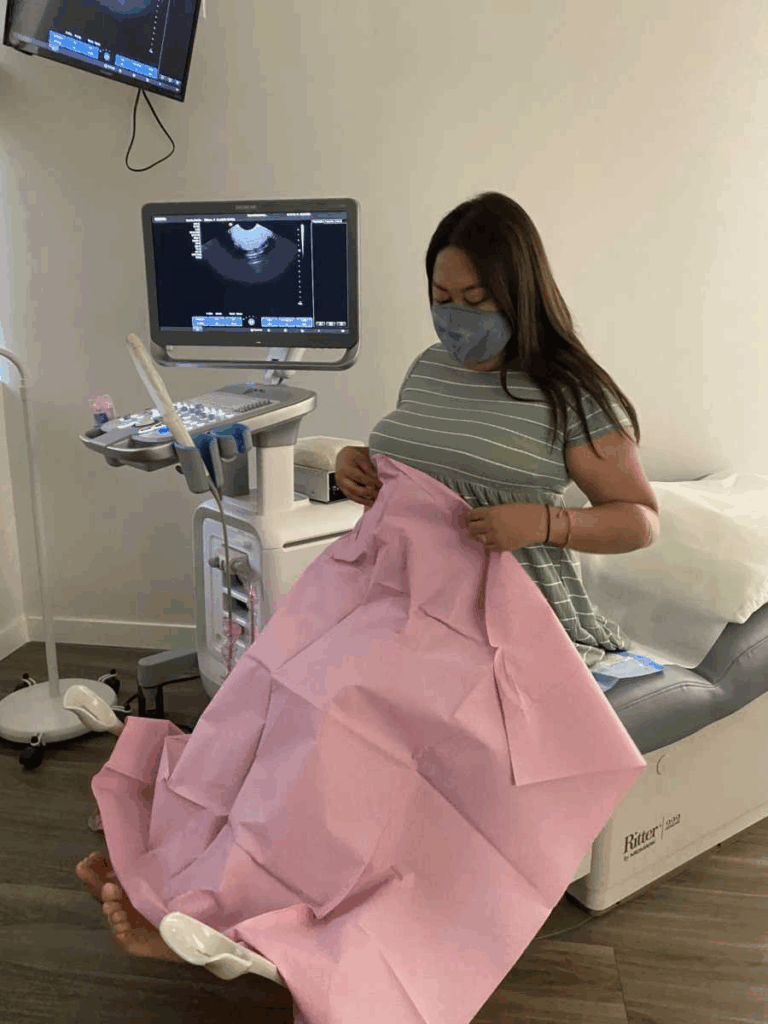
The last four years have been a series of fertility treatments that number in the hundreds. We’ve endured medicated cycles, timed sex, two surgeries, and three failed intrauterine inseminations (IUIs). We started in-vitro fertilization (IVF) this year. Now that my egg retrieval is complete, we were given seven embryos safely stored away. We’re halfway through our transfer protocol, hoping for the best and trying not to harden our hearts in case.
With each disappointment, I have learned to look at the little victories. Fertility treatments are not guaranteed, but they do condition you on strength, patience, and faith. I have become stronger than I ever imagined. I’ve cried nights upon nights, prayed nights upon nights, and clung to hope for dear life. I firmly believe that our journey is not yet complete and that God’s promises for us will become reality in His timing.
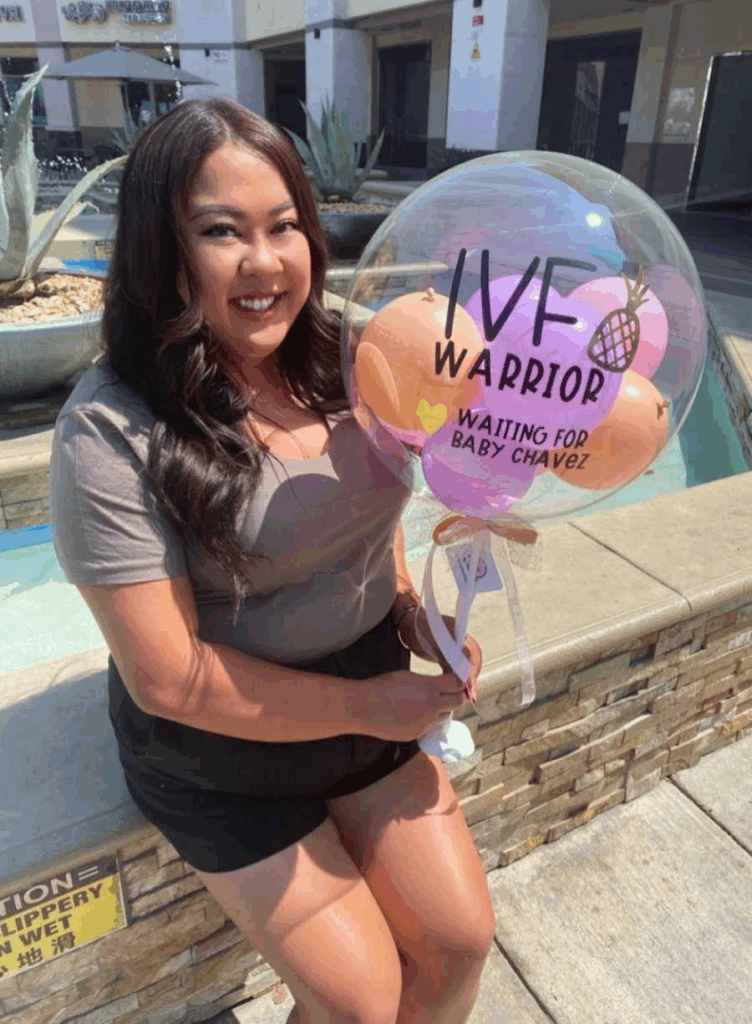
One in eight couples in the United States experience infertility, according to the National Institutes of Health. It equally impacts men and women but is often still endured in secrecy. I write our story not for pity, but in order to break the silence surrounding infertility. No one should be alone or embarrassed. There is strength in numbers, in candor, and in hope. All of our journeys to parenthood are unique, but one is constant love, determination, and hope can get you through even the darkest times. Our story is not yet complete, and we’re clinging to the hope that our rainbow will be.