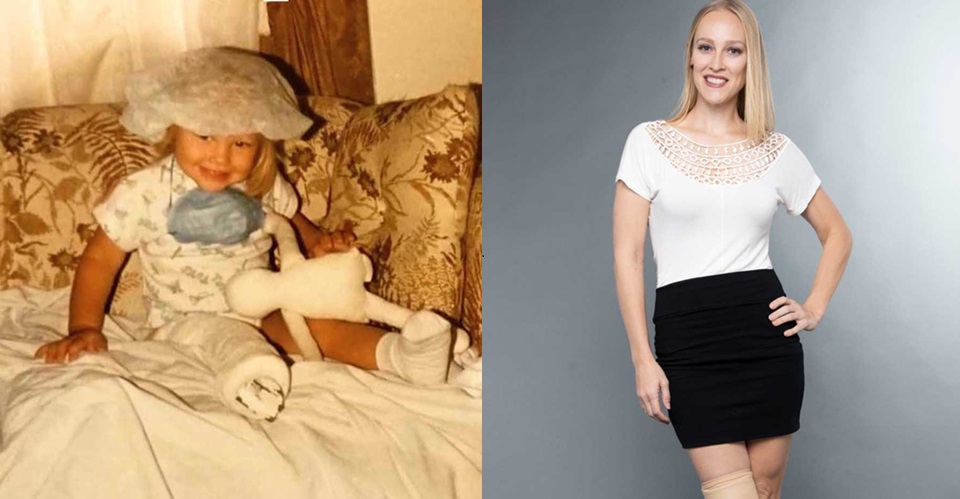
The world tried to name her by what was missing, but she learned to define herself by what refuses to quit: her heart, hope, and hunger to live fully. From the start, the world decided what she was before anyone learned who she was. She was born without two toes, missing several bones, and with a weak ankle on her right leg. Doctors called it a disability. Her parents felt two truths at once: joy that their baby was here and grief that the picture of a perfect newborn had changed in a moment. She was a blessing, and she was a shock.

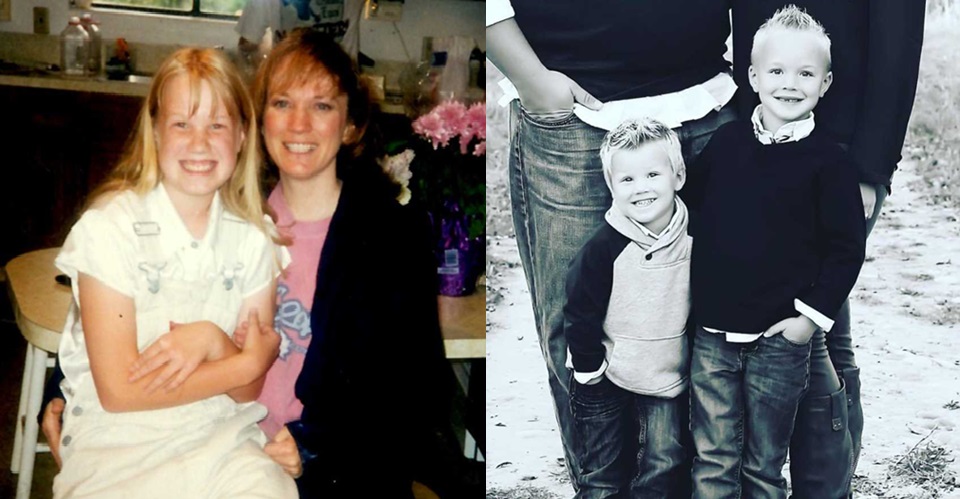
When she was two, doctors and her family decided on amputation. Her parents never wavered after that. They became her loudest supporters, pushing for good care and cheering her into an active childhood. She learned to ride bikes, play soccer and softball, run around with friends, and make a little mischief. The lessons were simple and powerful, be tough, keep going, figure it out. Adolescence was harder. The stares that once slid past her now felt sharp. Middle school eyes lingered on her prosthetic and chipped away at her confidence. Boys tossed names like peg leg and pirate, and she laughed them off in public while shrinking inside. She hid in plain sight, pants in summer, a crossed leg to mask the prosthesis, too much makeup, and revealing tops to redirect attention. The question followed her everywhere. What happened to your leg? She grew tired of explaining a body that was simply her body.
The physical pain had rules. A blister meant a day out of the prosthesis. A poor socket fit meant discomfort until a tech adjusted. But the emotional pain did not follow rules. It stretched across years and burrowed deep. The one thing that steadied her was sport. On a field or a court, she felt capable and ordinary. Competing with able-bodied kids gave her proof, and sometimes she outplayed them. Even when they surpassed her, the chase made her stronger.
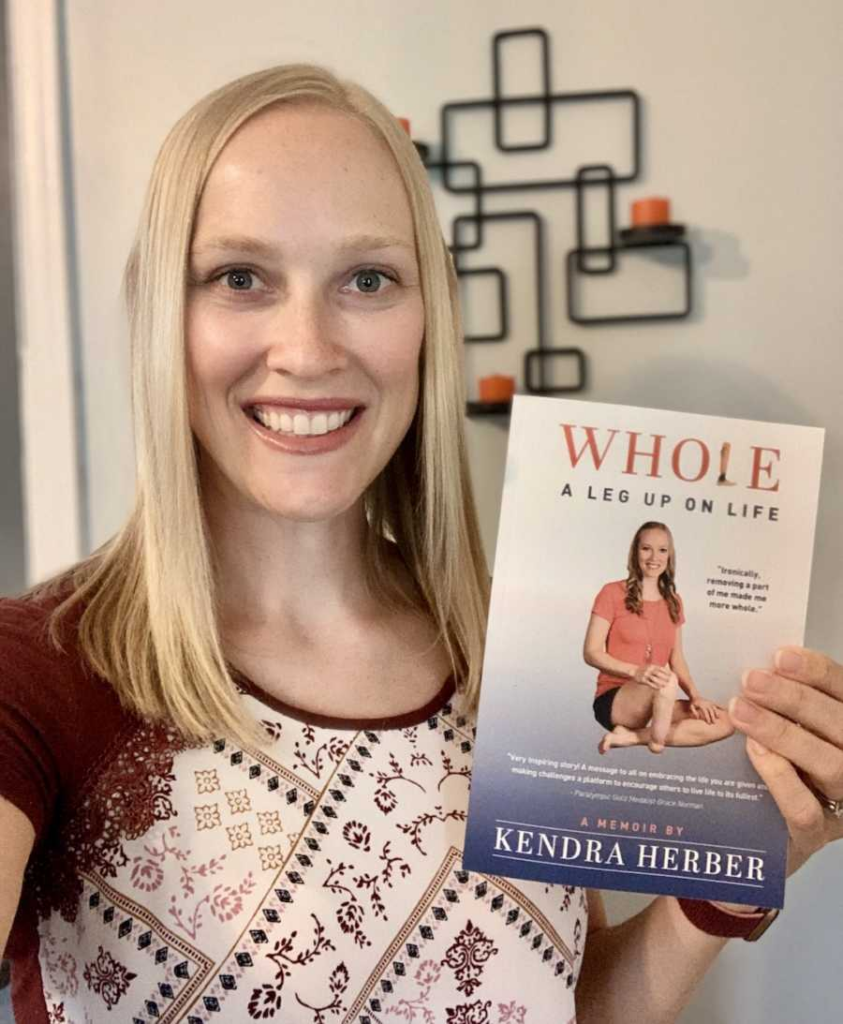
People noticed her drive because she needed it to stay in the game. As she grew older, she saw something else missing: people who looked like her. She knew only one other amputee. There were no books with kids like her, dolls, posters, or covers. That emptiness stayed with her and later fueled a mission. She wrote a book called WHOLE to tell younger kids and their parents that life could be whole, and that belief and freedom matter more than fear. She wanted a face on a cover that reflected them to themselves.
A new prosthesis turned a quiet wish into action. For years, she had chosen a skin-toned cover to blend in, but it slowed her as an athlete. She switched to a carbon fiber foot and a shiny black socket. There was no hiding with a leg like that. Vulnerability came first, then a rush of confidence. She started interviews for her blog, grew a network, spoke up for disability rights, and even stepped into modeling to widen the idea of beauty. Her leg looked like a sculpture. Her spirit felt bright. She wanted the world to see both.
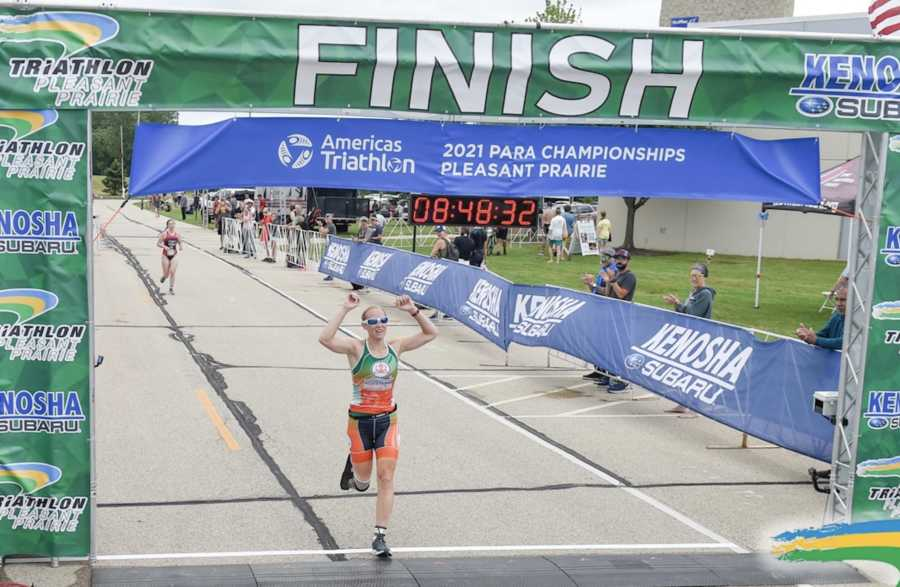
Her message went beyond looks. It was about ability. People often assume a disabled person is less able, less independent, and less happy. She took up triathlon to challenge that story with facts. She swims, bikes, and runs with times she is proud of and keeps improving. She has raced beside para athletes who could outrun and outlast most able-bodied competitors. When people look at her now, she hopes they see strength first. She has lost toes and a joint, not her will, not her purpose, not her faith. Peacefully, she also sees what she has gained. Being an amputee opened doors she might never have noticed, and it sharpened parts of her character, resilience, grit, and empathy. Her life is not less. It is more. Different, yes. Better, often.