A story about postpartum depression mirrored her own struggles, inspiring reflection and connection through shared silent suffering.The voice burns through my mind again vision reddening but the solid sofa reminds me I’m still fighting
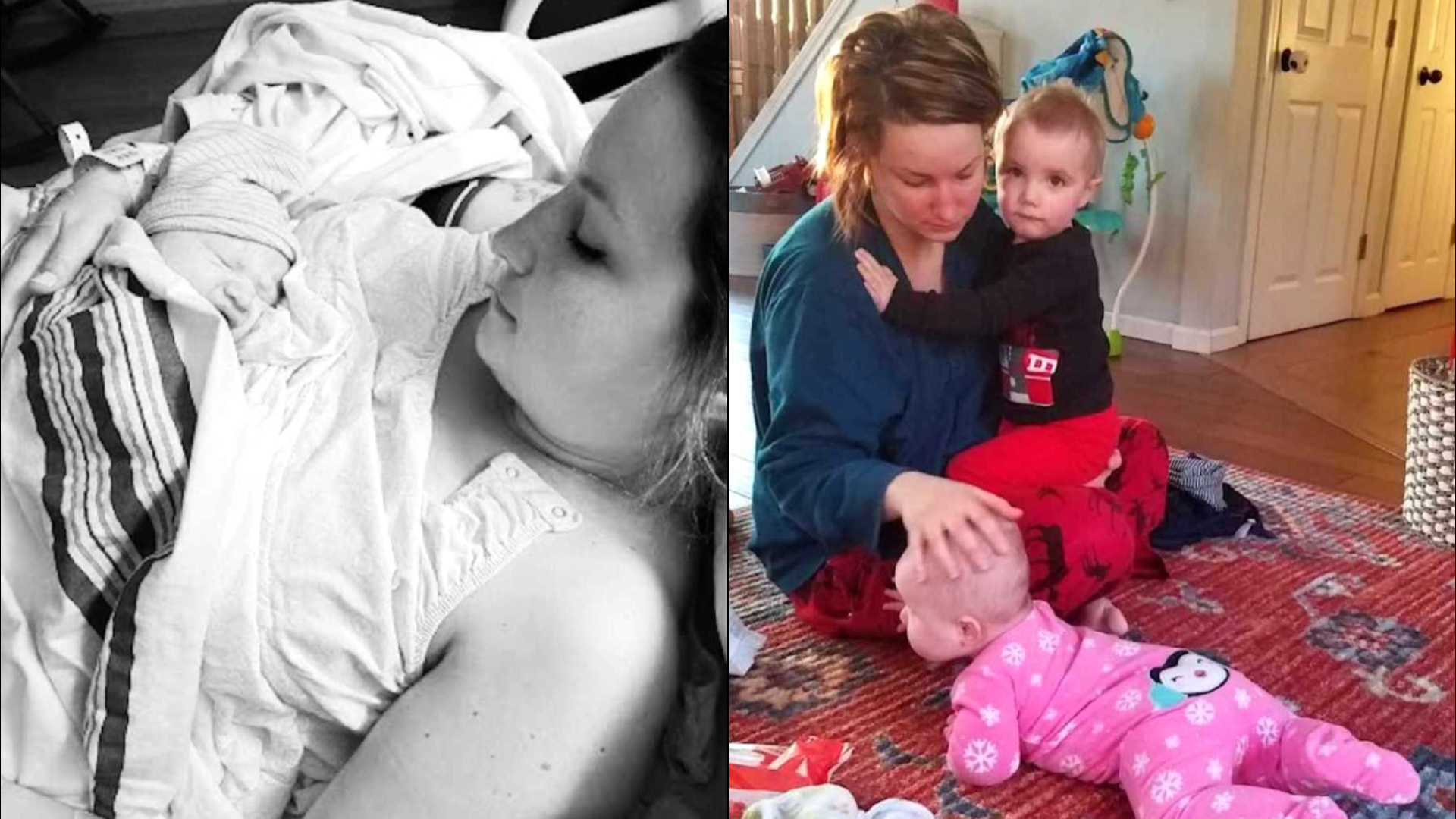
My fingers lace deeper and deeper into the threads of the rug that, just a moment earlier, was the place I read stories with my babies. Stifling the tears, my eyelids clamp shut. I can feel my heart beating so rapidly, so erratically. I feel wild. But everything around me is so very still, as if I’m already gone.
A mother drawing in postpartum despaired battles overwhelming darkness while remembering her deep love for help children and loving and longing for peace
I was greeted with the first of my Labor contractions on an incredibly hot day in July. I was giddy as I spent the afternoon splashing my son in our inflatable kiddie pool in the side yard, taking momentary breaks to breathe through particularly consuming pains. As the day, and the intensity, progressed, my awe-inspired waiting shifted to bliss-coated agony. I had read so many books, online articles, and medical pamphlets to prepare myself for labour. I was ready for birth. I was ready to meet my daughter.
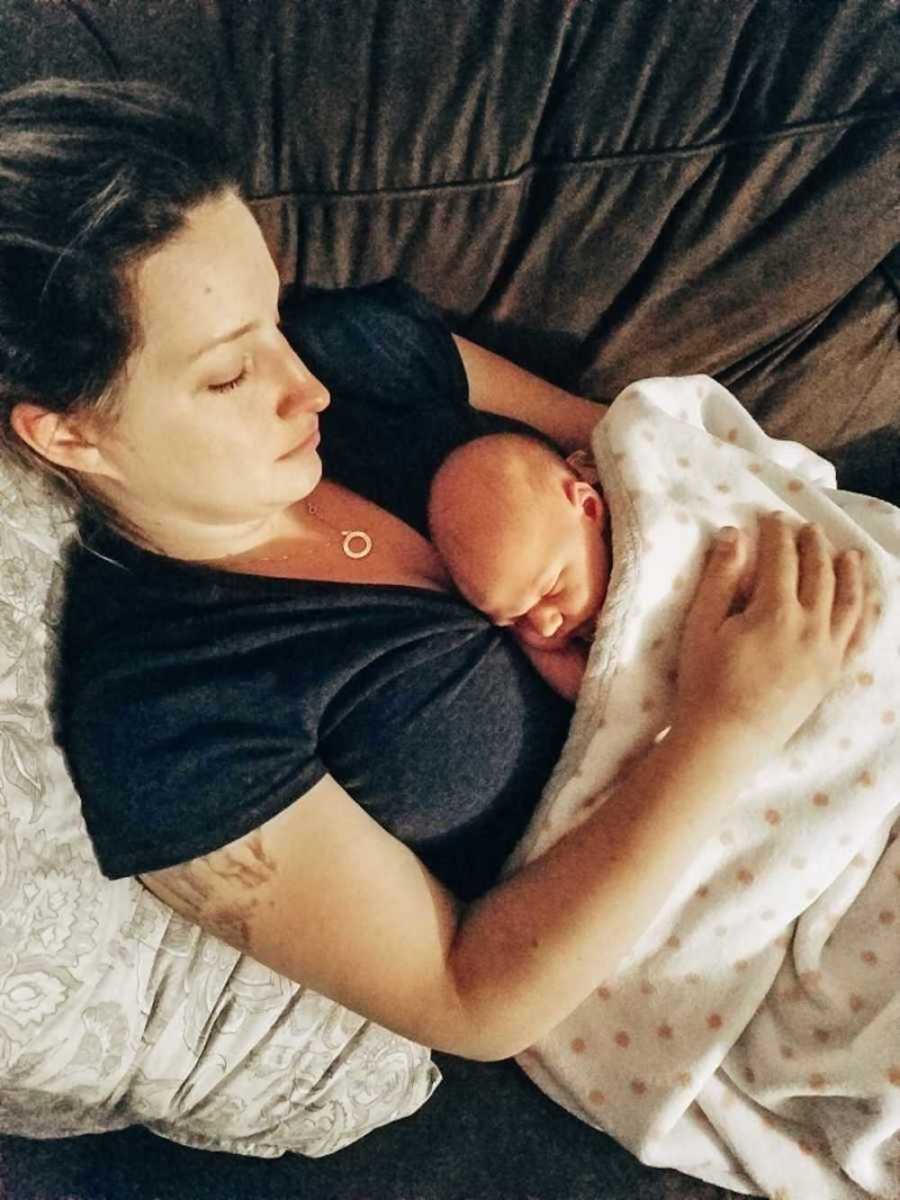
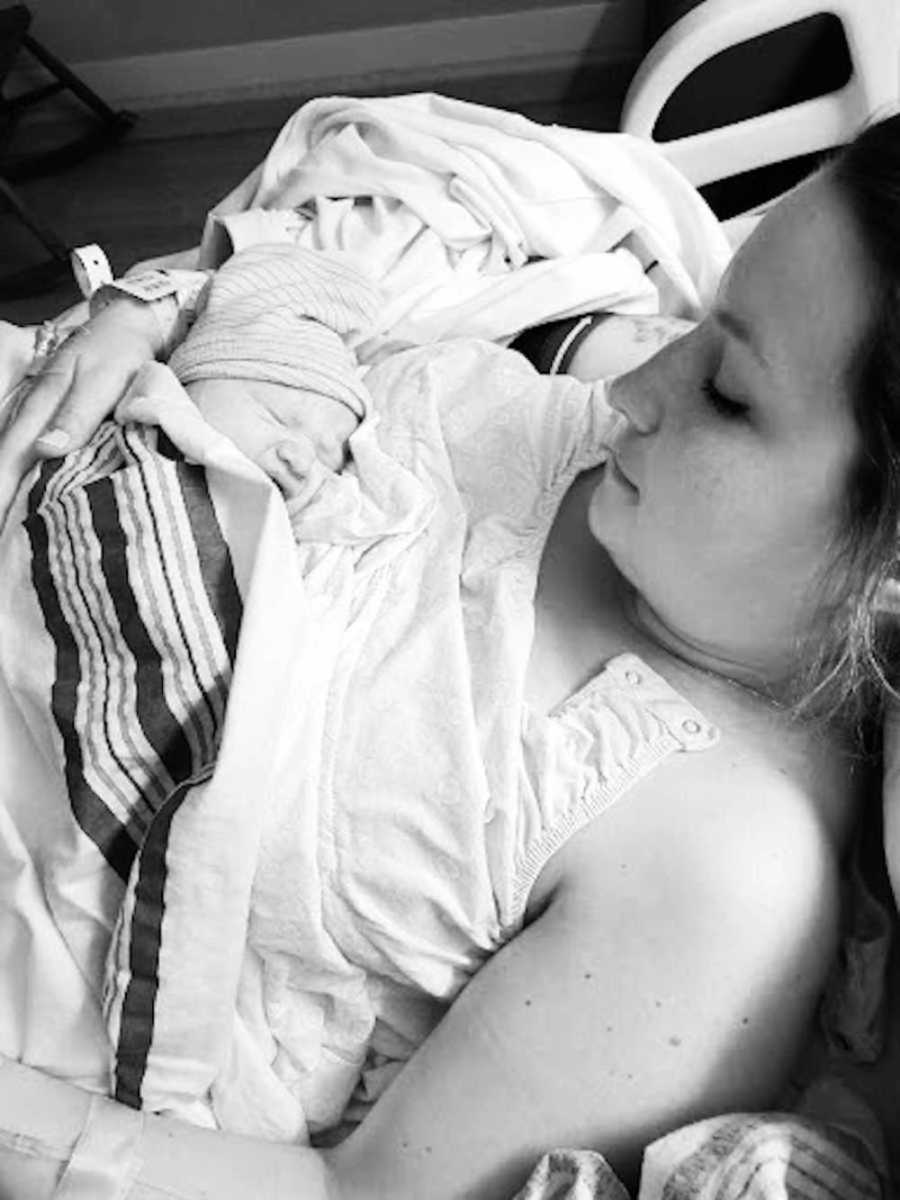
In hindsight, this all seems so trivial. The height of my Labor lasted but a few hours and after a measly forty-five minutes of pushing, at 2:00 in the morning, my perfect baby girl was laying on my bare chest, existing in the world for the very first time. All at once, my heart felt full in a way I never knew possible. Seeing her for the first time made an entire world of complexity seem so simple, so clear. I wish I could have bottled that feeling and saved it.
It wasn’t long before I remembered that half of my heart was at home. My little boy was waiting for his mama. I urged the hospital to discharge me and my daughter the very next day and away we went to begin our life as a family of four. Nothing felt different. I was a little sore maybe, but the ride home, with our tiny treasure in the backseat, felt like just another commute, and walking into our home was almost listless. We just fell right back into our life.
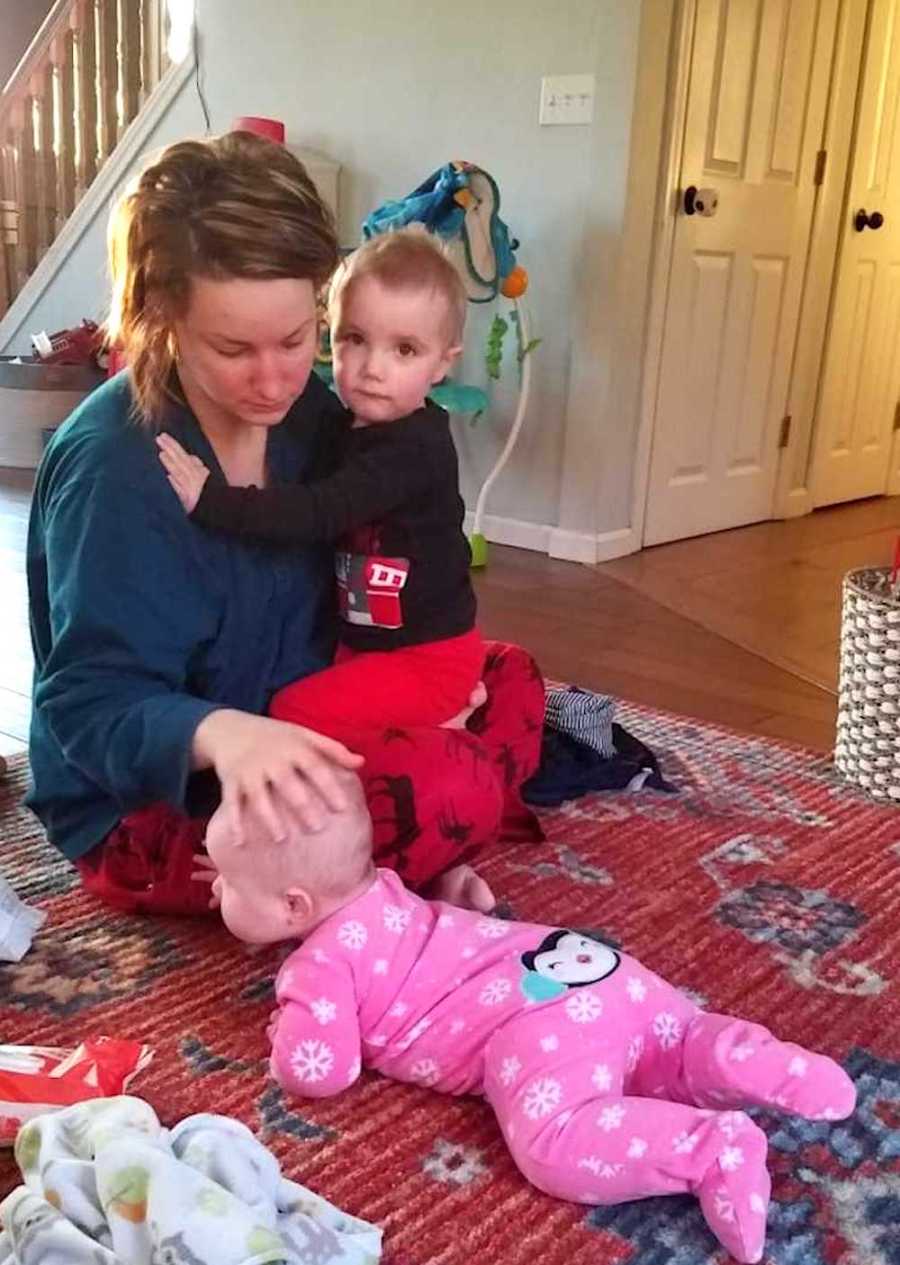
The following two weeks were unbelievably manageable. My sweet girl would awake in the middle of the night two to three times, and when she slept more, i missed her AT 2 a.m., i fed my baby did chores and quenched my thirst with icy Gatorade During the day, I revelled in the joy of seeing my son grow into his role of big brother, and my husband being all sweet on our girl. The dreams I didn’t even know I had were all coming true.
i used to fall asleep feeling happy holding my little boy and thinking life was perfect. one morning that calm feeling disappearance and i felt a sudden terrifying panic i couldn’t explain. i told myself it was just tiredness and hormones trying to stay strong for my children but later that day the fear returned and i found myself on the floor scared and alone
Over and over, I stopped writing. Over and over, I cried, I panicked, I became depressed all over again. I began receding into my silence. Then I looked to Gilman. What you might not know, even if you’re familiar with the story, is that she wrote to give women a voice at a time when there was none. She aimed to uproot the silence imposed on women by blasting what might be the darkest part of womanhood into ‘mainstream.’ She shattered the silence by giving herself a tangible presence.
today i speak out about postpartum horror exposing ignored as normal challenging myths and demanding recognition for mental health beyond just having a healthy baby

It’s time for the real story, the true story of postpartum depression to rise again into the mainstream. And I’m happy to go first.
Amanda is a measurement specialist working toward her PhD in psychometrics the study of educational and psychological testing. Dissatisfied with the care she received for her postpartum depression, because of there being no such clinical diagnosis in existence, Amanda made the decision to turn her suffering into strength for others by openly sharing her experience and by working to develop a new method of screening for postpartum mental illness. She is a mom of two, the researcher/writer behind Mom Like Me, and co-founder of the Make History Act movement.”