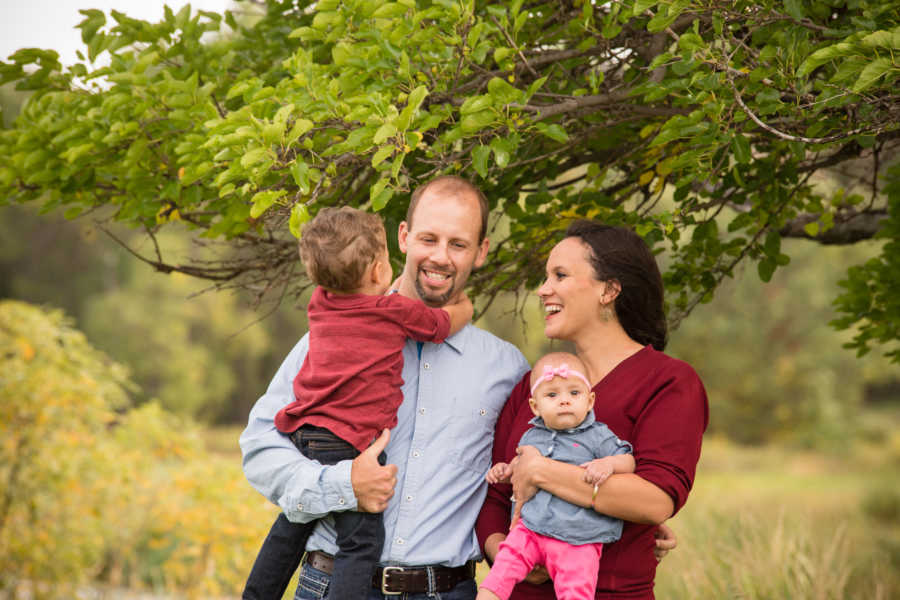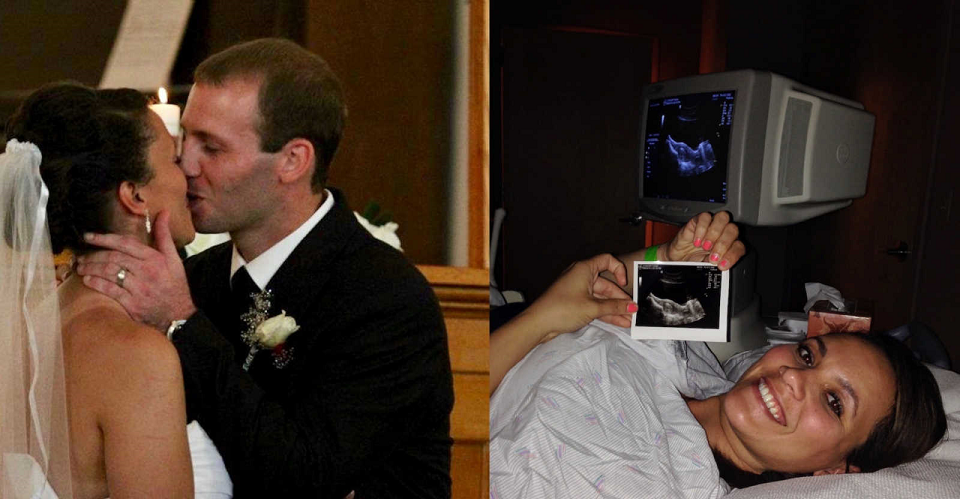
This is a narrative about suffering, anxiety, and the true meaning of believing in yourself, especially when everything feels chaotic and confusing. A young couple married early in life, filled with optimism and innocent aspirations. Their love was strong, and they eagerly anticipated becoming parents. When she discovered her pregnancy shortly after their wedding, their joy knew no bounds. She envisioned their child, their life ahead, and all the joy that seemed within reach.
However, that joy quickly disappeared. Within weeks, she began experiencing bleeding. Initially, she remained composed, knowing that light bleeding can be normal in early pregnancy. But the bleeding intensified, and the cramping felt unusual and concerning. She consulted her longtime physician, who performed an ultrasound and blood tests before delivering his diagnosis: “You’re having a miscarriage. Allow nature to take its course. It will resolve itself shortly.”
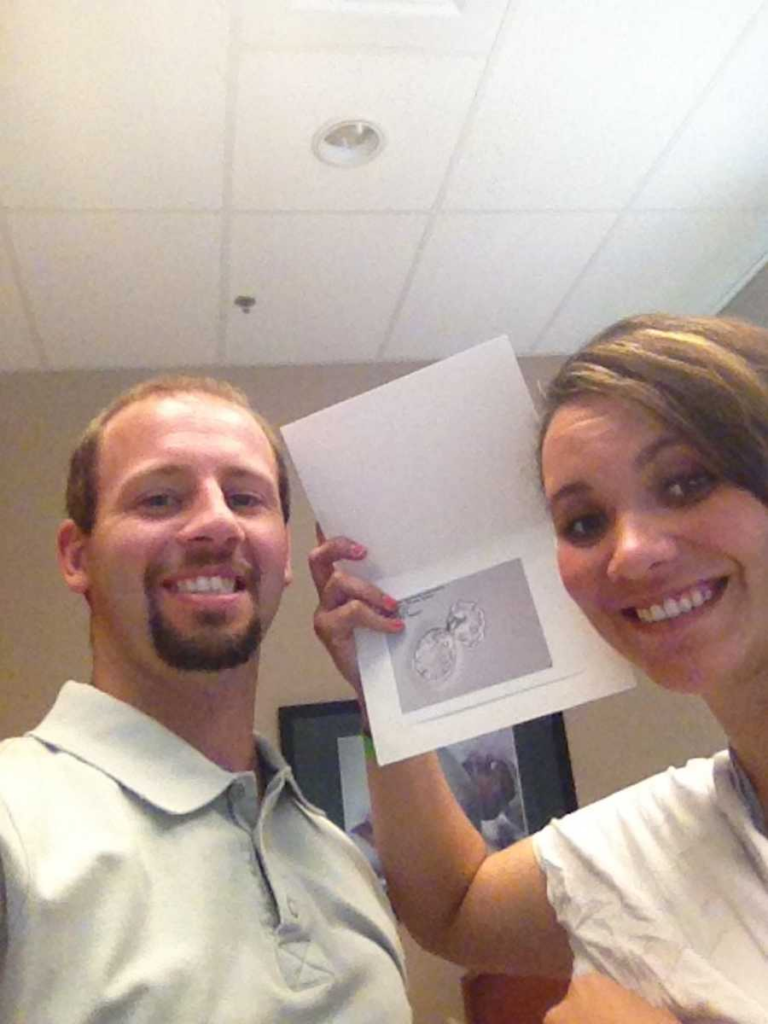
She accepted his assessment after all; he was a medical professional. Yet something within her remained unsettled. The discomfort persisted, and the bleeding continued relentlessly. With each passing day, her condition deteriorated. Her intuition kept insisting, “Something is seriously wrong.” She returned to his office repeatedly, only to receive the same reassurance: “Everything is fine. Be patient.” Nothing improved. She felt dismissed, frightened, and increasingly desperate for acknowledgment.
Eventually, she reached her breaking point. She contacted a different OB-GYN practice in a larger metropolitan area and described her situation to them. They urged her to come immediately. Unbeknownst to her at the time, that phone call proved to be life-saving. The new medical team treated her concerns with urgency from the moment she arrived. After another ultrasound, the physician returned with a serious expression. The pregnancy was ectopic; the embryo had implanted in her fallopian tube rather than her uterus. The fetus had already died, and her tube was on the verge of rupturing. If that happened, she could hemorrhage fatally.

The doctor outlined the necessary treatment, but she could barely process the information. She had arrived alone, anticipating a standard appointment, and now faced a medical emergency. She felt overwhelmed, petrified, and heartbroken. They administered a methotrexate injection to terminate the pregnancy, then monitored her for hours in the waiting area. She had to return repeatedly for follow-up blood work throughout the following week.
Sitting in that waiting room alone, surrounded by radiant pregnant women, was torturous. She experienced envy, rage, and shame colliding violently within her. Why was she enduring this? Why did her body fail at something that appeared effortless for others? Once the ordeal ended, her doctor recommended a dye test to evaluate her fallopian tubes. Though painful, the procedure yielded some encouraging news: at least one tube remained functional. Pregnancy was still possible.

Life at home was challenging afterward. Her husband struggled to comprehend the emotional turmoil she was experiencing, and she couldn’t articulate her feelings adequately. They bickered over trivial matters while grief loomed heavily between them. Eventually, though, they had a genuine, vulnerable conversation. They expressed their fears, their sense of responsibility, and their remaining hopes. That authentic dialogue reconnected them. In the subsequent weeks, she realized something profound: her body had been signaling distress, and she needed to pay attention.
Had she not trusted her instincts and sought a second medical opinion, she might not have survived. The trauma left lasting marks, but it also transformed her. She emerged more resilient and more appreciative of life. She still envisions the day she’ll cradle her baby. Meanwhile, she clings to hope and to the vital lesson that preserved her life: always trust your inner voice. When something inside you feels wrong, don’t ignore it. Trust your body, seek help, and don’t settle for assurances that don’t feel right. Your instincts and persistence can save you. Pain and loss don’t define the end; they can lead you to strength, healing, and hope.