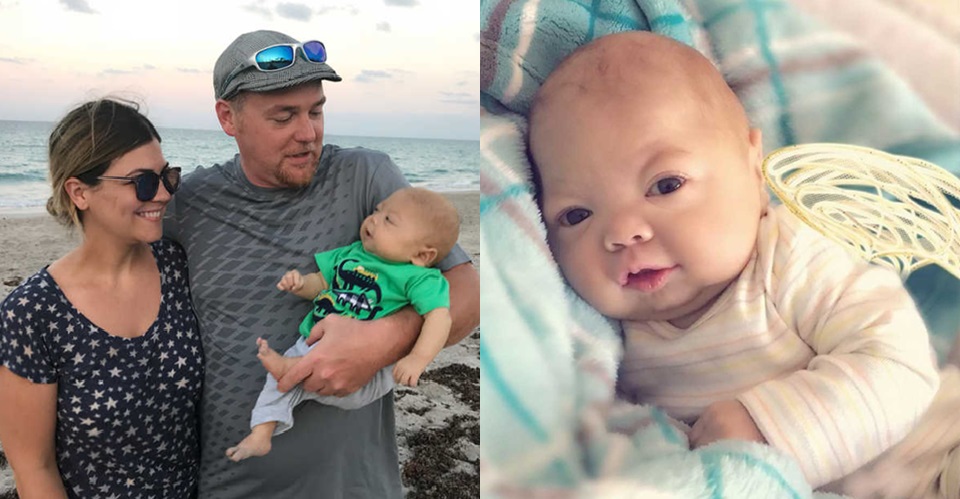
It was around three in the morning when Jessica got the call she had been waiting for nine long months and fearing at the same time. she had kept her phone next to her pillow every night, afraid she might miss it. When it finally rang, she said her heart stopped. Her little boy, Dash, who had been born six weeks early, he had spent his life fighting one illness after another.
He had already spent four months in the NICU. Those days were long, filled with alarms, nurses, and sleepless nights. Jessica said she believed they were almost through the worst part. The only problem left was feeding. The doctors told her he needed a g-tube. She didn’t want it but finally agreed as it was the only way to get him home. Once they were discharged, she worked every single day to help him learn to drink from a bottle. Six weeks later, the tube came out. She thought that meant things were finally getting better. But that was not the case.
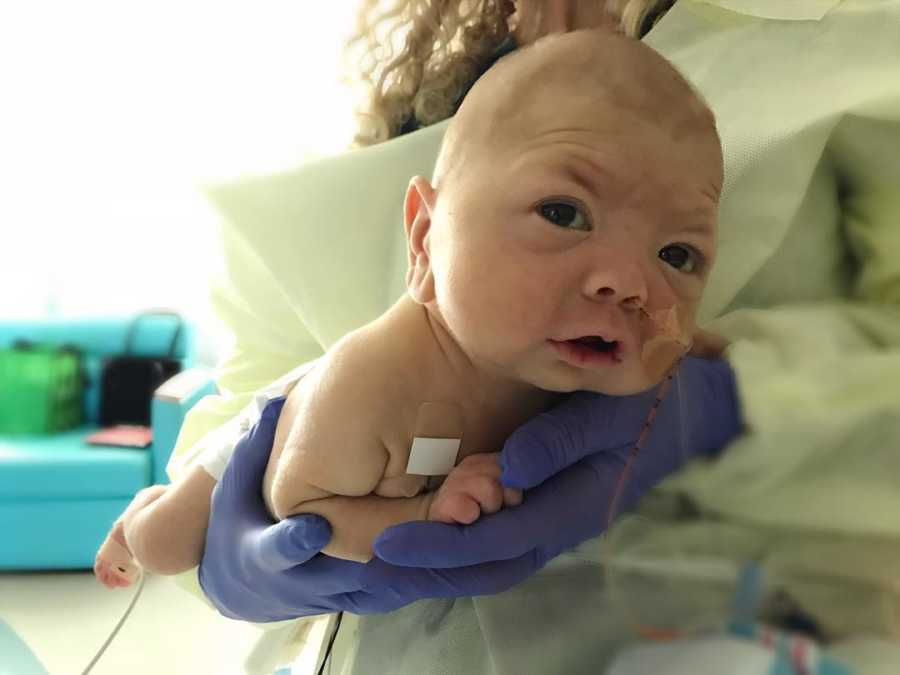
The site where the g-tube had been never healed properly. It kept leaking, getting red and sore. They went to the emergency room several times, but each visit ended with the same words: go home and keep it clean. When he was finally admitted to have it treated, Jessica thought they would be there for a few days. She didn’t know they would never go home again. Dash started swelling. His stomach looked tight and round, and Jessica said she could see that his liver and spleen were larger. She told the doctors something wasn’t right, but they didn’t listen. On her first Mother’s Day morning, she got a call saying Dash couldn’t breathe and they were moving him to the PICU. It was exactly what she had feared.
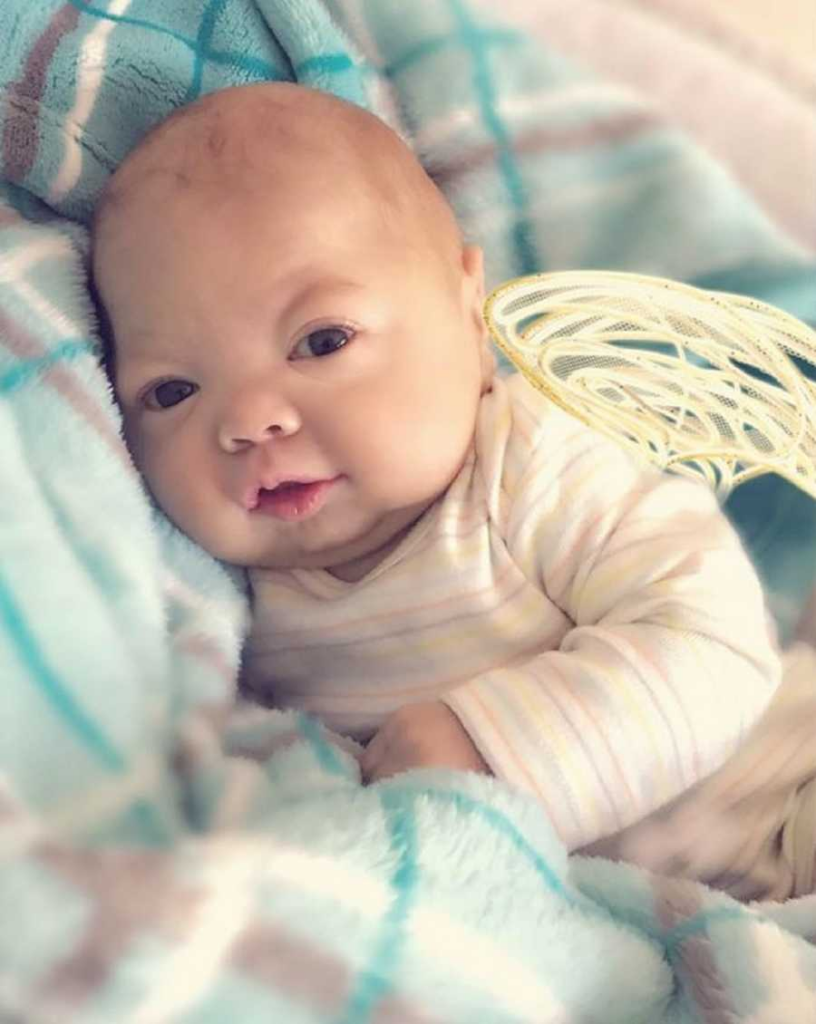
Things got worse quickly. Dash was six months old and barely weighed nine pounds. Jessica said the doctors didn’t want to put in a nutrition line, so he was hardly getting any food. She begged for help, asked for second opinions, cried beside his bed, and pleaded for someone to listen. Nothing changed. After several weeks, the hospital said they couldn’t handle his case and sent him to another hospital for a possible liver transplant.

At the new hospital, she felt a bit of relief. The doctors seemed to care more. Dash had a tracheostomy and was sedated, but he looked calmer. He had therapy sessions with music, and Jessica stayed with him every single day. For a little while, she said she thought he might pull through. Then, the fevers began. High, constant ones. The doctors said they were due to withdrawal from pain medicine. One doctor questioned that and asked why they kept blaming the fevers on withdrawals. Tests were ordered.
A few days later, Jessica heard the words that changed everything. Dash had HLH, a rare immune disorder that makes the body attack itself. The doctors told her there were two kinds, and his wasn’t genetic. It had been triggered by the infection from the g-tube site. By the time they found it, it was everywhere in his body ,liver, spleen, bone marrow, and brain. The “withdrawal episodes” had actually been seizures.
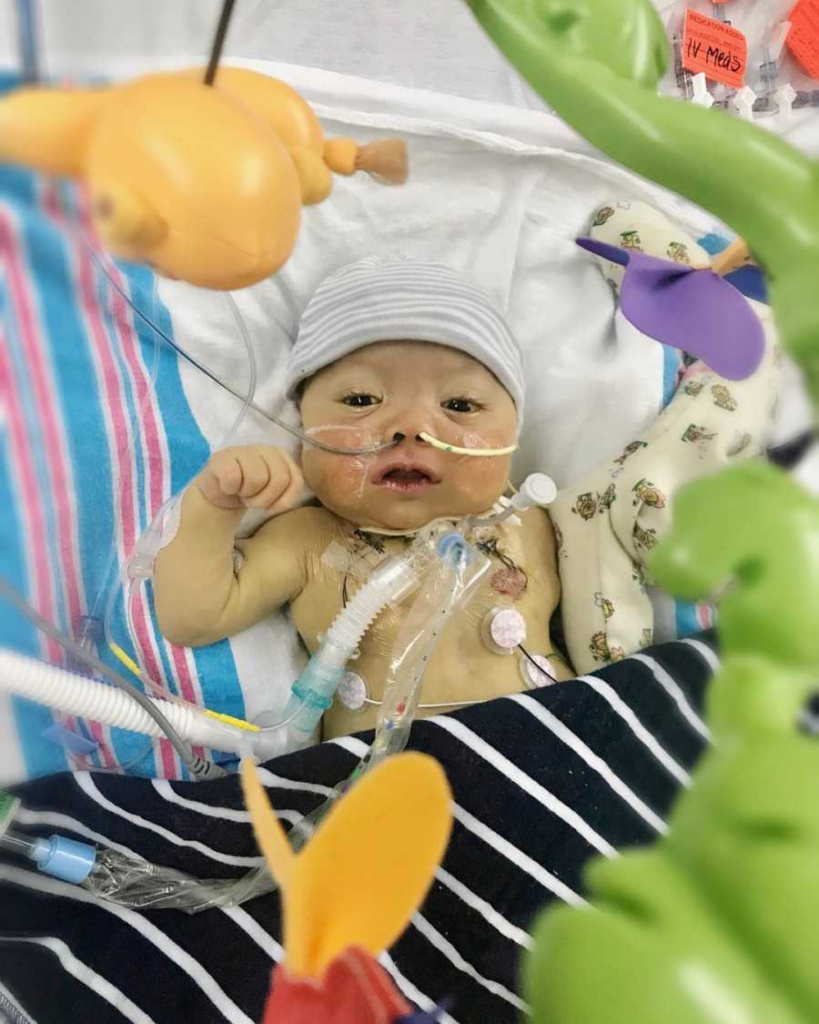
They started chemotherapy, but it was too late. Dash’s tiny body couldn’t take it. Four weeks later, his heart stopped twice. Jessica said she knew then that he couldn’t fight anymore. On September 11, at eight in the morning, she made the hardest decision of her life. The ventilator was turned off. She held him close, kissed his cheeks, and told him she loved him. Jessica now shares his story so others might recognize the signs of HLH sooner and so doctors will listen when parents say something is wrong. She said her life will never be the same, but she carries him with her always.