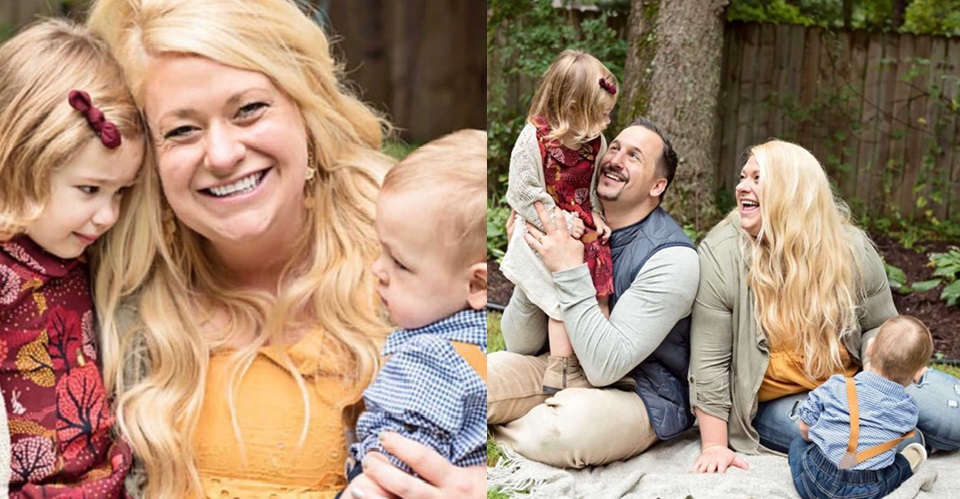
She said adoption was not easy, not stress free, and it was not perfect. She believed her family had witnessed firsthand some of the hard parts and negative aspects. In her case, most of the difficulty came from people who were uneducated about adoption, especially those who lacked empathy and did not think before they spoke.
She said her life and point of view had changed completely when they adopted. She knew that when her children were born, she would do everything possible to protect them. She could protect them for now, but she worried about the things they might face as they grew older, challenges that would not be their fault. She said her children would always have complex histories, and their stories would never be simple. Each child had come to the family in different ways, and that added stress, discussion, and sometimes trauma. She said she loved adoption because it built their family. Without it, she would not be a mother, and being a mother was her most important role. She had fought to be a mom, and it had not been easy, conventional, or the same as how others became parents. Despite all the struggles she had faced, she loved her children and would not change a thing.
She explained that adoption could be hard because it made her children different in a world that celebrated sameness. They had more to their stories, more hurt, more questions, and trauma. She said she wanted to share her experiences because she noticed things at a heightened level as someone whose life was touched by adoption. Talking about these issues, she believed, could help others become more educated and empathetic.
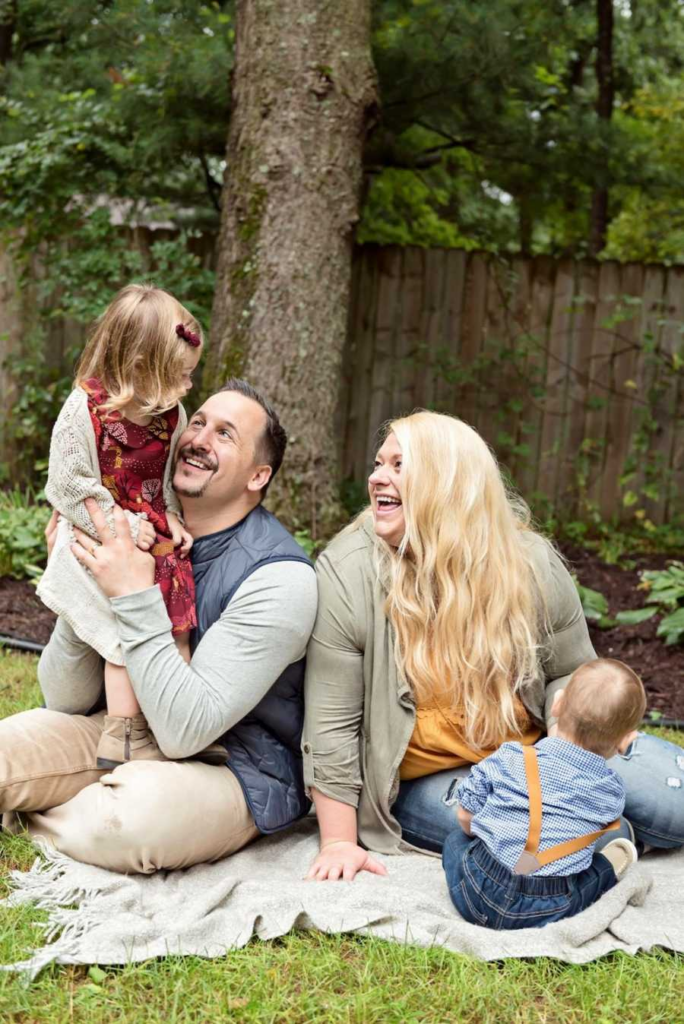
She described several situations to illustrate what she meant. When they brought their newborn daughter home, she was showered with attention and gifts, but when they brought their one-year-old foster son home, no one came to see him or celebrated his arrival. She said that the ritual of celebrating only newborns was sad and that parents would remember it. She recalled sending a letter with their Christmas card explaining that any child who came to them would be considered their child fully. She said she overheard a family member at a party not including her foster son in a conversation about children in the family, and that had been painful. She said all their children were their children regardless of legal or biological status.
She remembered the first time they announced their adoption, and relatives responded with fear and questions rather than excitement. She said adopting parents had to hear horror stories during classes and trainings, while people who got pregnant were assumed to be qualified. She explained that relatives should be happy and supportive rather than adding more worry. She noted the frequent comments about which children looked like which family members. She said that for adopted children, being left out of those remarks could make them feel less included. She said people should consider pointing out what made a child unique instead.
She recalled a meeting with school counselors where a student was described primarily by being adopted, as if that explained everything about her. She said it reminded her that adoption could be treated stereotypically in ways that race or other differences would not be. She explained that she had been asked multiple times about her children’s real mother. She said she was their real mother, the one who fed them, cared for them, and nurtured them. She acknowledged that she had not given birth but said she wished she could have, while recognizing that her children were who they were because of their stories and she would not change them.
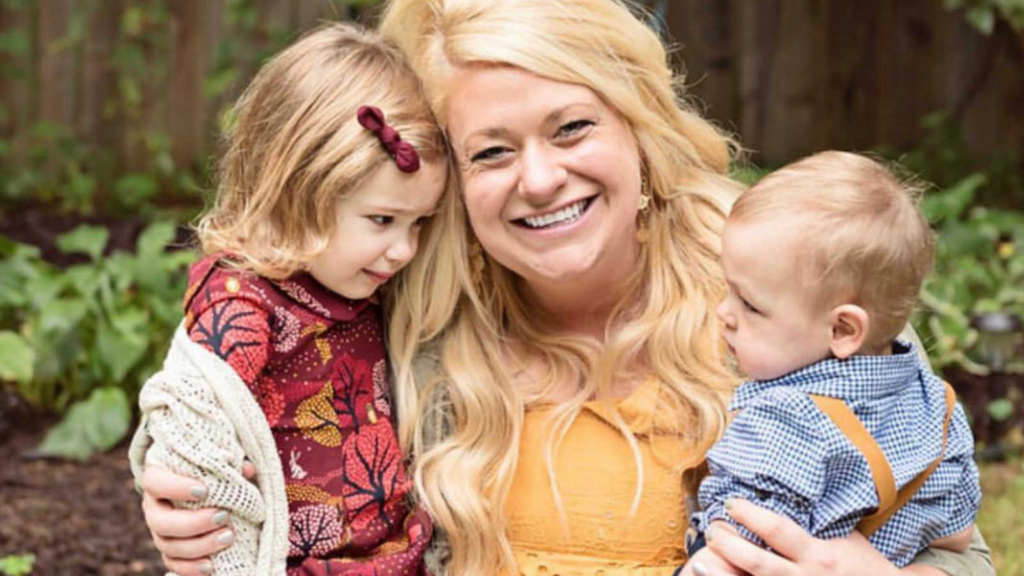
She mentioned reading posts about biological parenting and realized she had to teach her children about adoption because it was their story. She said it would be helpful if all children learned about adoption early to understand family differences. She described challenges at doctors’ offices and with paperwork, and the frequent visits from social workers, therapists, and sometimes police. She said foster care and domestic adoption were different, each with unique processes and hoops to jump through, while biological children only required fertility.
She said she believed it was God’s call to her to adopt and love these children. She recognized the world valued biology and sameness, but she wanted her children to be part of a larger story of being accepted. She said adoption was not always perfect or easy, but she would do it again and planned to adopt more children in the future because there were children in need. She said when a family had more than it needed, they should build a longer table, not a higher fence. She said although their children’s stories would never be perfect, they were their stories and they were told by God.