Dementia is a slow, heartbreaking journey that changes not just the person living with it, but the entire family around them. Her mother was always active, sharp, and loving. She loved doing puzzles, crossword games, and keeping her mind busy with whatever challenged her brain. She was the kind of person who would finish a jigsaw puzzle in an afternoon and proudly set it on display. But one day, she looked at her and realized something had changed. “She used to do puzzles she can’t do them anymore.” That moment was when it hit her just how far the disease had progressed.
We had taken her to another doctor’s appointment. Her dad stayed home because he was exhausted, a common reality for caregivers who wake up multiple times at night when their loved one is restless. Dementia doesn’t just affect memory; it affects sleep, mood, and everyday abilities. Even though her dad had a spare room, he chose to sleep beside my mom every night because he didn’t want to leave her alone.
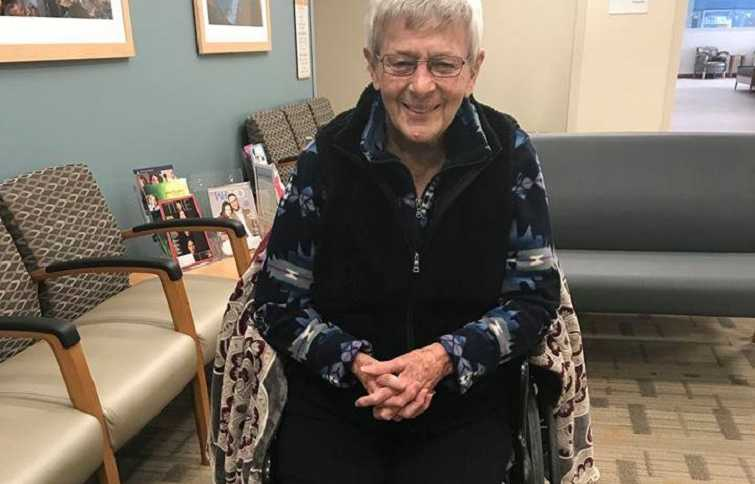
At the appointment, the doctor pulled up her brain MRI and showed them the white spots and areas where brain tissue had shrunk. Her mother didn’t understand what she was looking at, but when the doctor mentioned that doing puzzles and crosswords could help keep her brain active, something in her broke. She quietly told him, “She used to do puzzles she can’t do them anymore.” That realization brought tears to her eyes. It made her understand that they were moving deeper into a stage of dementia that was much harder than the early days.
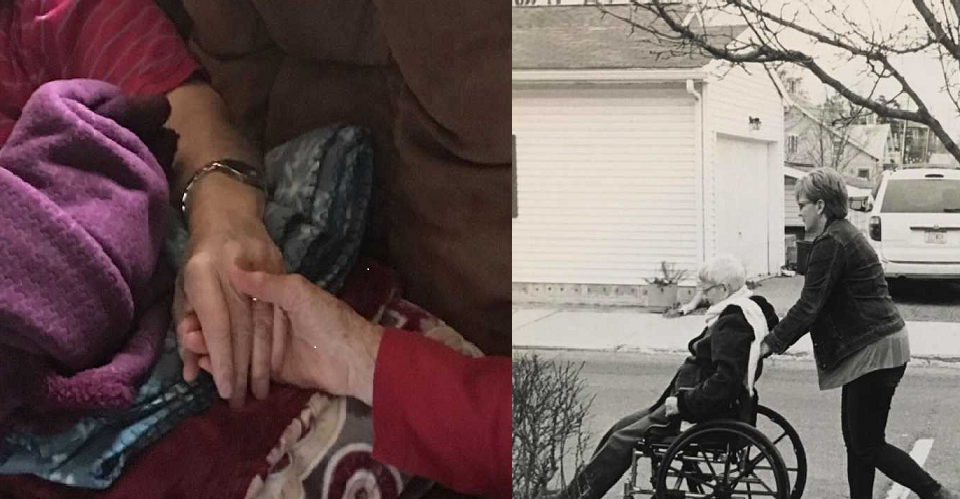
On the way home, her mom grew quiet in the car. She thought she was resting, but when she looked at her more closely, tears were running down her face, tears of confusion and perhaps fear. Her arms began to jerk involuntarily, something that happened occasionally. She asked her if she wanted to go home and see her dad, and she nodded. When they got home, her dad greeted her with love and warmth. She grasped his hand tightly and fell asleep almost instantly. They held hands as they had for years, even if her mind was not fully there anymore.
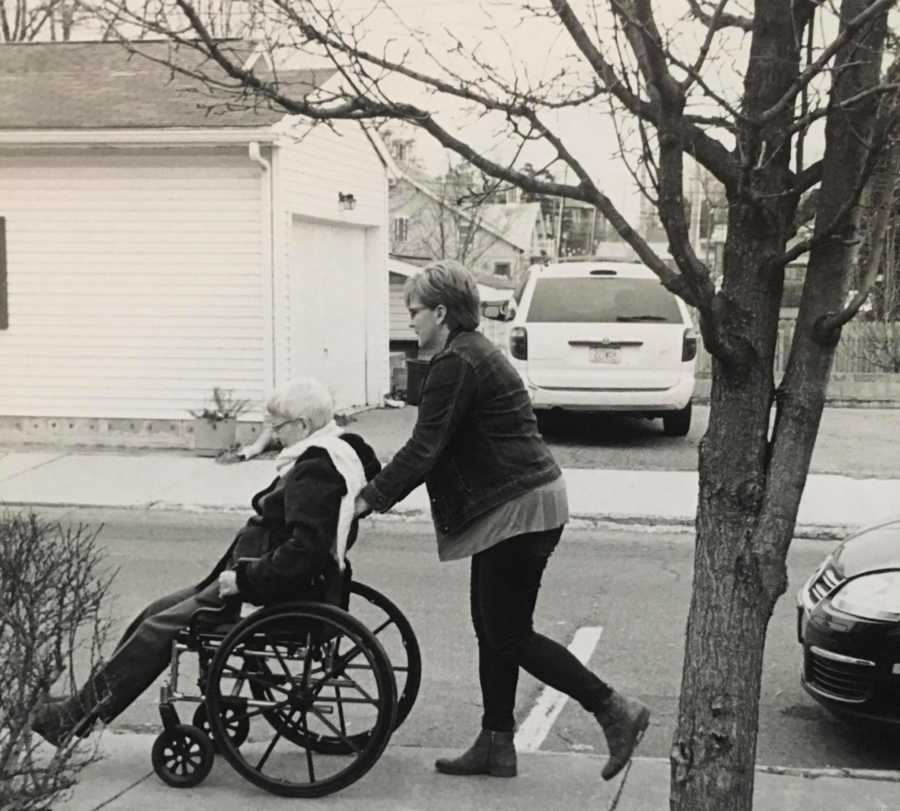
Watching them in that moment made her realize that the roles had reversed. Her mom, who once cared for and protected them, now needed them to guide her, soothe her, and love her through the confusion. She used to be the one who held our hands when we were scared. Now it was their turn to be the safe presence in her life.
Over time, they saw more signs of her dementia progressing. She began to talk about people from her childhood as if they were still alive. She misidentified her father as someone else from long ago, forgetting names she had known for decades. Sometimes she repeated actions or phrases over and over, like a child unsure of what to do next. It was as though her life was being lived in reverse; memories from early years came first, while more recent ones faded away.
The disease changed her personality a little at a time. She made faces at food she didn’t like, cried out for loved ones when she became tired, and became more childlike in her expressions and behavior. The woman who once guided and protected her family now needed them to be patient, calm, and supportive. They learned to distract her gently when she became stuck, to help her move forward without frustrating her, and to simply love her unconditionally in every stage of her journey.
This experience has been one of the hardest things our family has ever faced. Each new symptom, each lost ability, brings sadness. But it has also taught them a powerful truth: sometimes love means stepping into a new role, one where we give back the care and comfort their parent once gave them. They may be tired, they may ache inside, but they are ready to walk this path with her, hand in hand, as dementia changes the life they once knew.