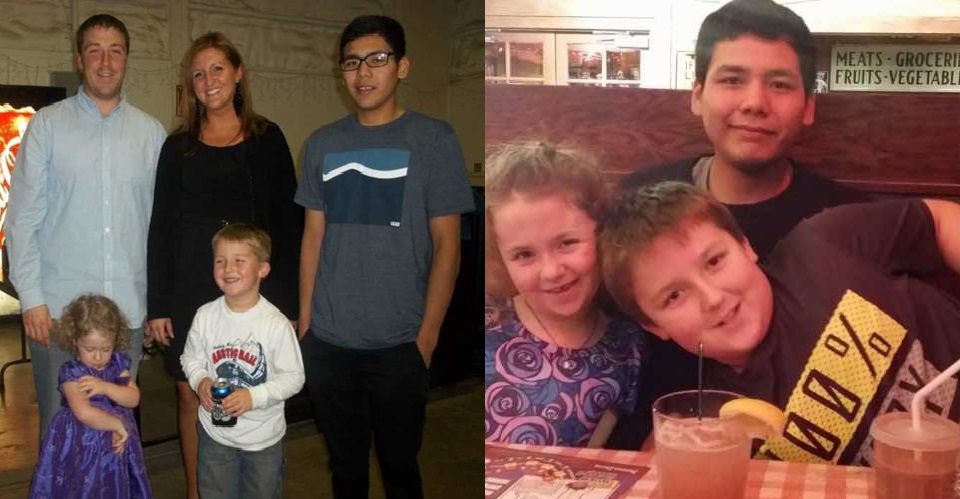
The young woman at the gas station asked, “Is he your son?” She pointed to Wynd, a twenty-four-year-old who was traveling with his mother. Wynd was part of the family through foster care when he was fifteen. They were three hours away from home, on their way to a soccer tournament for her nine-year-old son.
This question took her by surprise. Only eleven years older than Wynd, and whereas she was Caucasian and he was Native American, most people did not think for one moment that they might be related. When he introduced her as his mother, others often looked puzzled. ‘Yes, he is,’ she said. ‘How did you know?’ The woman smiled and told them that she had seen a story online of a mother and their experience with foster homes and how Wynd had become a part of their family. The woman told them that she realized that she herself had spent some of her teenage years within foster homes, and reading the story of Wynd and his family gave her hope that there were people with good hearts that cared for children.
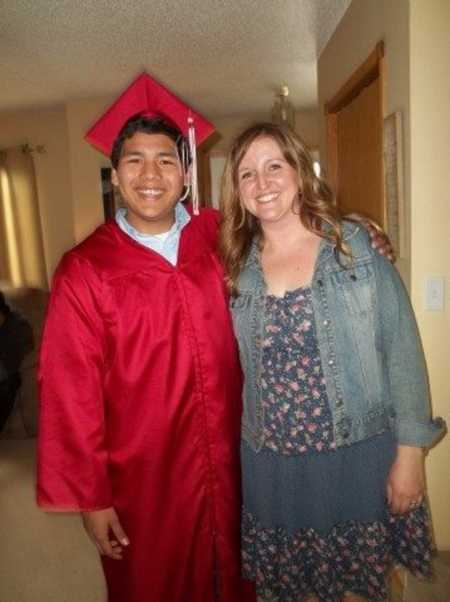
Wynd was stunned. “A person three hours away read our story?” Wynd’s mother explained that she had put it up at their agency five years ago when they were exploring foster care, and it was posted online. Wynd hadn’t read it because he was one of the few people who didn’t use social media. His mother brought up the place where it was posted and asked Wynd to read through the messages. He read through the messages in silence and then looked up in shock at his mother. “I just can’t fathom why so many people care about this story,” Wynd commented.
The mother was filled with gratitude. The year before, a social worker had asked Wynd if he would be willing to appear in a video showing his encouragement of others to care for foster children. He refused. He felt he was not a “success story.” He works an hour as an assembly line worker at an electric company and pays bills. He has taken college courses, though he never finished. In his own estimation, he was not the kind of man who could be an “inspiration” for others.
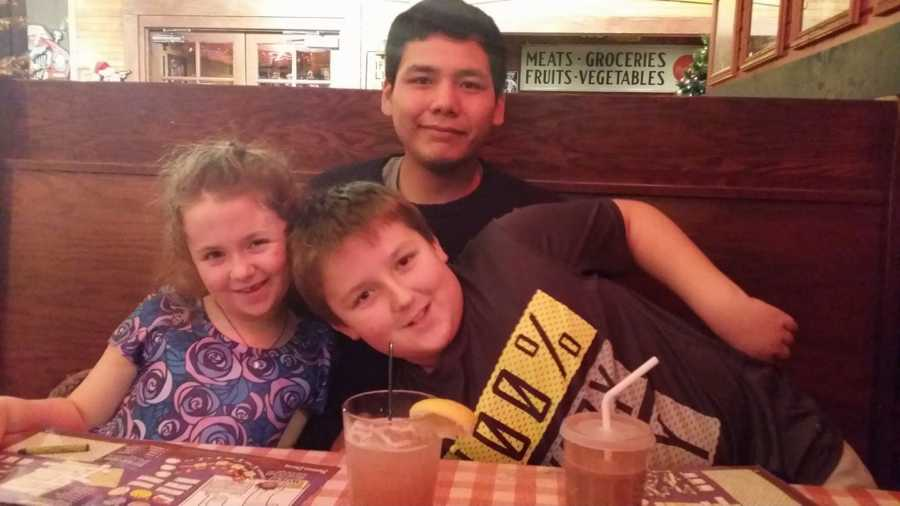
But his mother told him that living from pay check to pay check was the norm, and that the simple joy of loving his work counted for something in itself. “You’ve still got all the time in the world if you want to go back and finish college,” she said. “You’ve toughed yourself out so well, let’s remember that. You’re a success in my eyes, and so, of course, is our family’s story.” They marked the anniversary of December sixteenth every year, the day that Wynd had moved in with them. They went out to eat and had dessert back home, as well as the annual family photo. Yet Wynd still had a seat at the table, even though he was living alone. The younger kids adored him as a big brother, and he continued to mold the family in his own unique way.
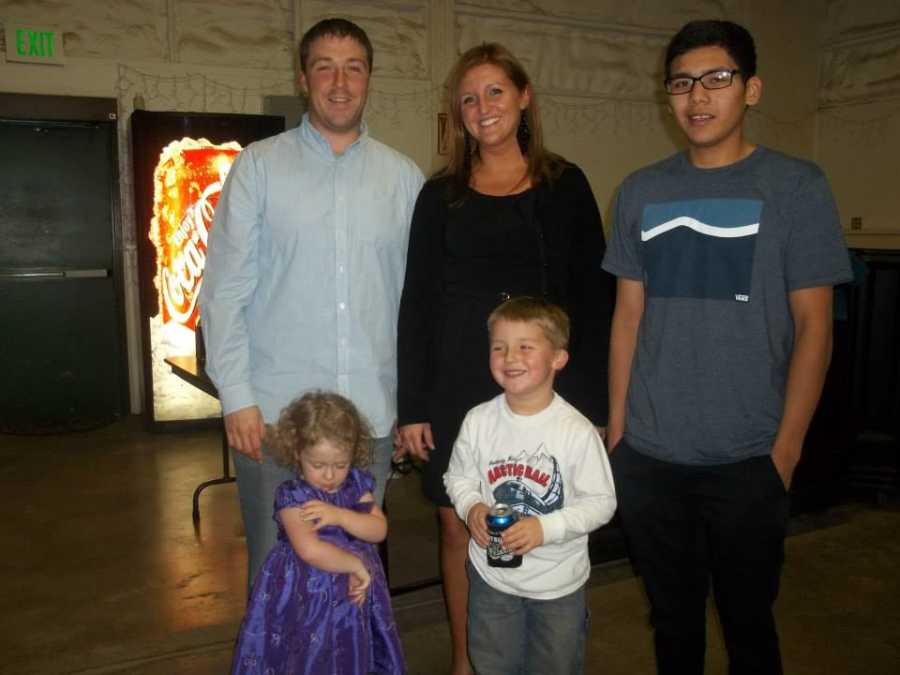
Alissa tried to demonstrate to Wynd how much he meant to her, but sometimes he could not see himself in the same way as others. It was not until someone in far-off places acknowledged the love he had planted in this world through a stranger in a gas station encounter that he caught a glimpse of an important appreciation his mother had known all along: Wynd was loved, he belonged in this world, and his place in this world made a difference to those who loved him.