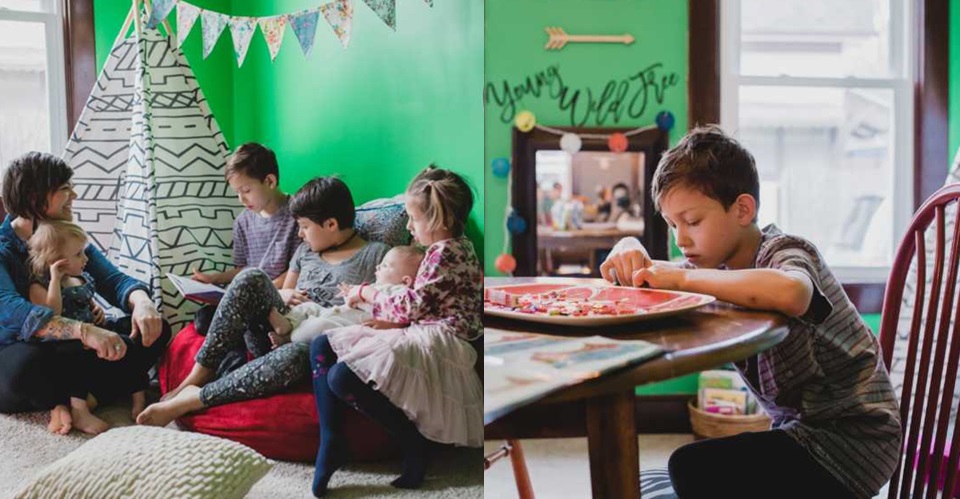
“She can’t look at the number—not a number in excess of 420,000 kids in foster care in this country—and not feel it hit her in the gut.” To her, this is a staggering number that’s unacceptable and overwhelming. They’re sleeping in strangers’ homes or places of lodging with baggage and a need for something stable and consistent in their lives. This is a staggering number that many in the country can easily avoid by claiming they don’t have what it takes to provide care and a nurturing environment in a foster home. This stigma that foster care is not a neat or complex situation prevents many individuals from becoming involved.
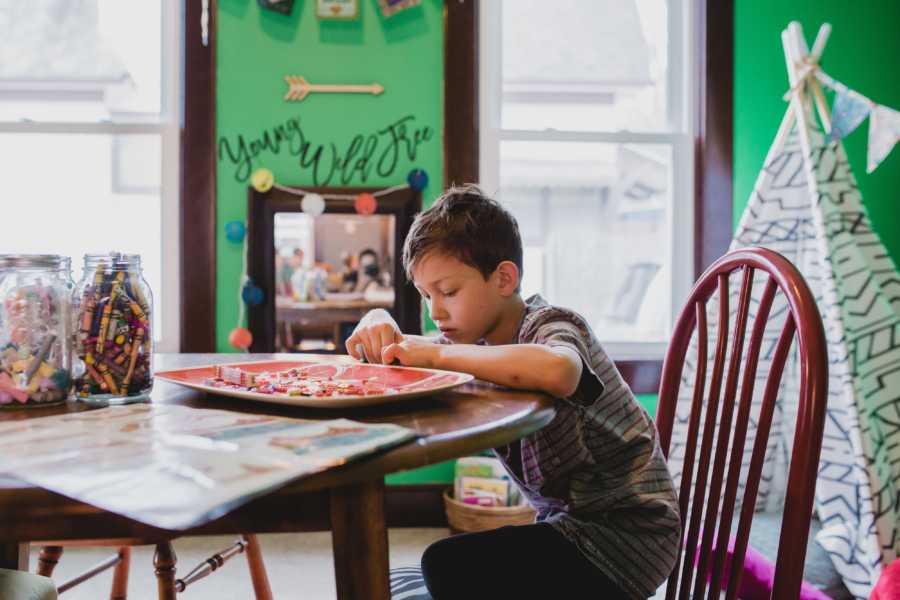
Years later, she has sat across from families at dinner tables and coffee shops, listening to their questions and easing their concerns. Every conversation is prefaced the same way, with the same reality check: the system is broken. The existence of the foster care system is due to the brokenness found in addiction, neglect, and abuse, and anything that springs from that will always be weighed down by that legacy. The system initially has an excellent goal—rescuing children from unsafe environments. But then it’s all about system upkeep—case management, hearings, and reunions—all of which are long, draining, and expensive, and the children bear the heaviest price. Families, she encourages, must hold on to something beyond the system itself. What she holds on to is faith and the children. She is present strictly for the sake of the children, not the system, not the creation of families, not the payment she receives, but to love, to shield, to fight for them, come what may.
But one of the most brutal truths is accepting that she is not their only parent. The foster family is part of a complicated system of biological and previous caregivers. Co-parenting with an addict or unstable parents is ugh and heartbreaking. But there is always a reinvestment until proven otherwise, to return to their children and connect them with their parent when appointments are missed or when a parent does not arrive. She blows back tears after a missed visit and helps kids understand emotions they cannot yet grasp—the answer to where it weighs the most lies here.
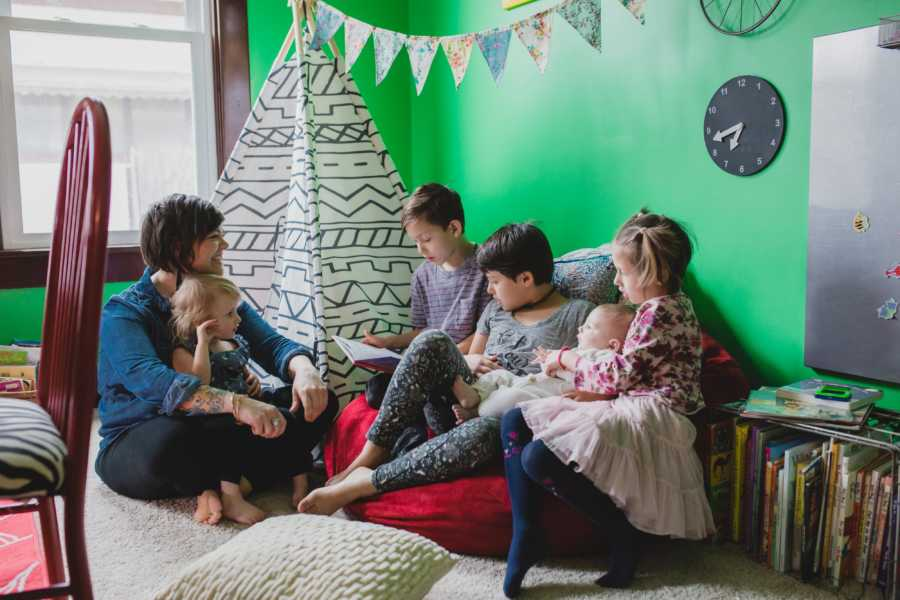
Her dwelling is never completely private. Social workers come regularly, searching through cupboards, asking questions, with unannounced visits each year. Her life is laid bare. There are some weeks when multiple workers come through her dwelling, examining everything from where she stores her medication to her laundry piles. She knows why, to keep her and others safe, but she also knows it can get invasive and tiring.
Despite pouring her heart and soul into these children, many of her decisions remain outside of her control. She fights for their rights through advocacy, documentation, and by becoming their voice, though often she feels no one is listening. She straps children into car seats each week for emotionally exhausting visits, and then she is left to comfort them following the visit. She also learns their favorite treats and kisses their scraped knees every night, though she knows that one phone call can turn everything around. Foster care providers see the cost, but living within its boundaries is a different story.
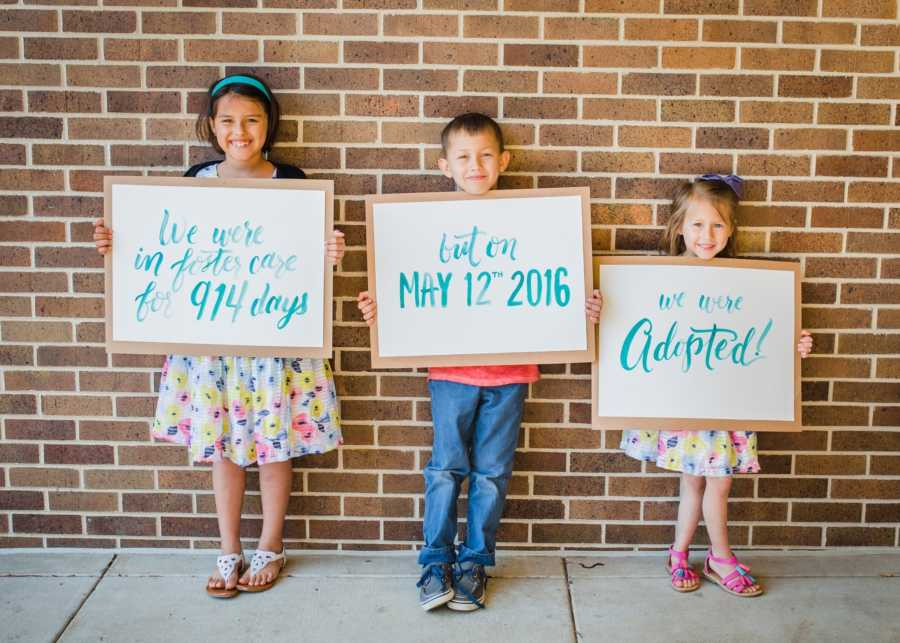
Information is usually limited. A child comes with minimal details, and things slowly become clearer with the passage of years. Reports lack some information. Taking care of foster children is like trying to piece together a puzzle with blank corners. One tries to figure things out based on guesswork and sometimes regaining clarity. It’s been four and a half years, and her life is utterly changed. She’s cared for twelve foster children, adopted four, and seen countless family reunifications. It’s been the source of extreme heartache and the greatest happiness to her life. Foster care, she’s convinced, has opened her heart, and it’s a path she’s willing to walk again.









18 thoughts on “Raising Foster Children Amidst Addiction and Neglect: One Woman’s Story of Advocacy, Love, and Fighting for Stability in a Broken System”
Comments are closed.