Iran’s Foreign Minister Abbas Araghchi praised what he called “major progress” this morning, after Tehran returned to the negotiating table and agreed a “roadmap to a final peace deal” with the US within 60 days.
The Iranian side had earlier walked out of talks following Donald Trump’s threat to “blow the s**t out of them”. However, mediation efforts led by Pakistan and Qatar appear to have brought them back in an effort to push toward a lasting end to the conflict.
Under the proposed roadmap, the US and Iran have agreed to set up a “de-confliction cell” with the Lebanese government aimed at stopping hostilities in Lebanon.
Despite a previous US memorandum of understanding, Israel and the Iran-backed group Hezbollah continued exchanging fire. In response, Trump warned Iran to pressure the group to stand down or risk being “hit very hard again”.
Araghchi said the first real test of the plan would be whether it actually holds in Lebanon.
The agreement also includes the creation of a direct communication line between the US and Iran to help prevent accidents and misunderstandings in the Strait of Hormuz.
Araghchi also claimed that some frozen Iranian assets had been released and that a “major reconstruction and development plan” was already underway. However, the joint Pakistan-Qatar statement outlining the deal makes no mention of any asset unfreezing.
The White House has not yet issued a comment.
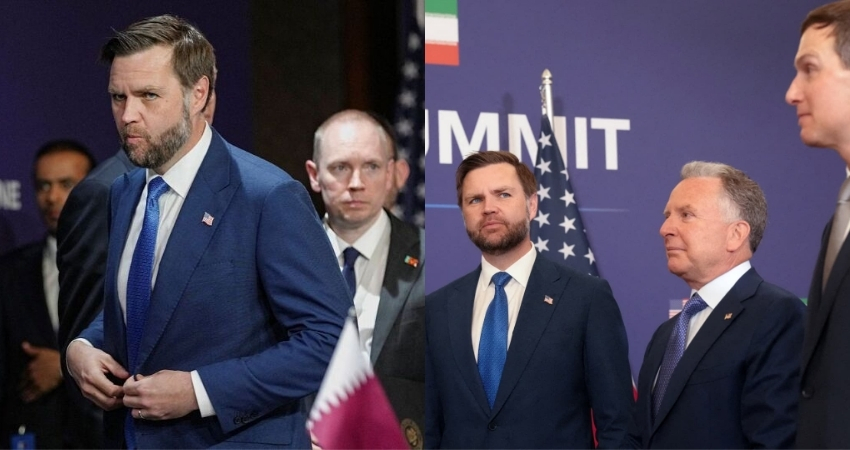
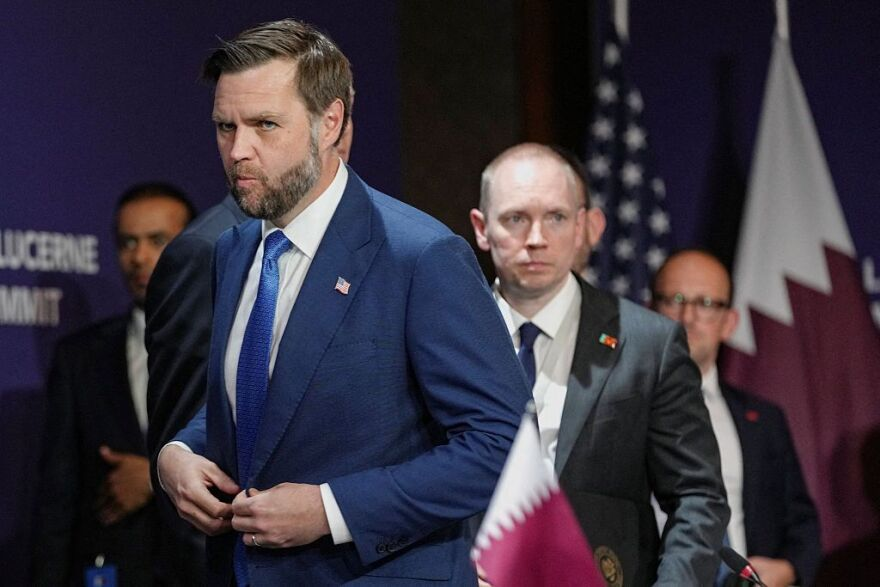
US Vice President JD Vance opened talks with Iranian officials in Switzerland on Sunday under the terms of the agreement signed in Versailles, which extended a fragile ceasefire for another 60 days. Negotiations continued into the early hours of Monday.
Before the talks began, Trump told Fox News he had warned Iran it “won’t have a country” if it attempted to close the Strait of Hormuz again. He also repeated his earlier claim that the US could take control of the waterway and impose a toll.
He said the agreement was meant to prevent a global economic shock driven by rising oil prices if the strait were shut.
Following the announcement, global oil prices eased back toward pre-war levels, with Brent crude falling further to $79.44 a barrel.
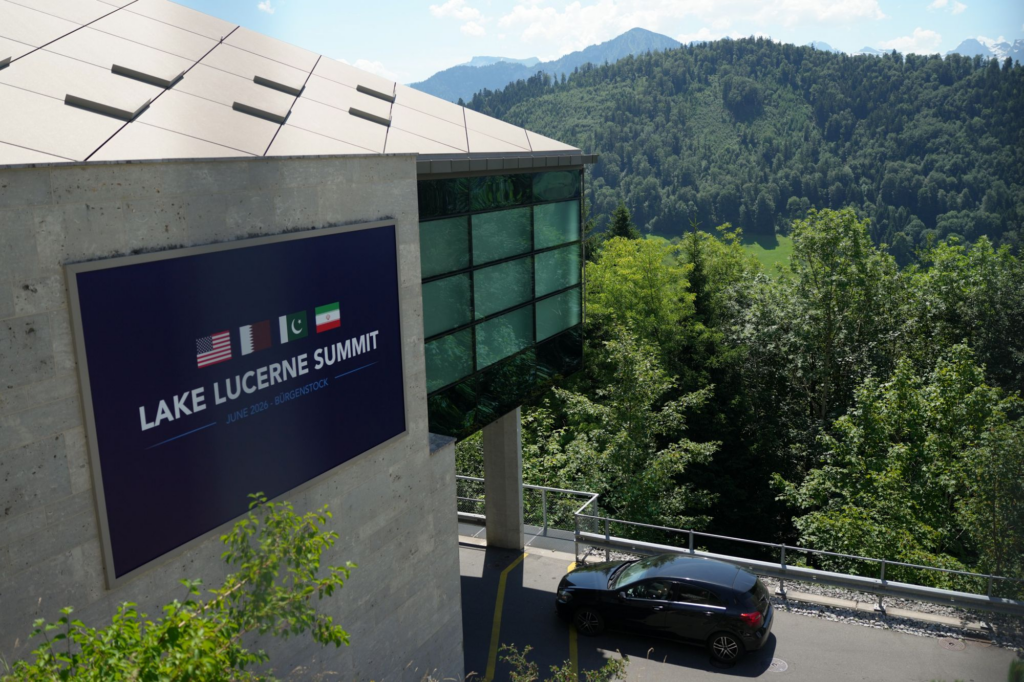
Technical discussions are now set to continue throughout the week at the Swiss mountain resort of Bürgenstock, which is owned by Qatar.
The Iranian delegation is led by chief negotiator Mohammad Ghalibaf, alongside Araghchi and senior officials from security, banking, and oil sectors.
After walking out earlier, Iran said it had only “paused” talks, not ended them. Ghalibaf dismissed the US threats, saying Iran does not take them into account and that its armed forces are ready to respond if necessary.
The US delegation includes special envoys Steve Witkoff and Jared Kushner.
Pakistan’s Prime Minister Shehbaz Sharif and army chief Field Marshal Syed Asim Munir also attended in Switzerland as mediators, alongside a Qatari delegation.