On October 20, 2022, Conservative prime minister Liz Truss stood outside 10 Downing Street to announce her resignation. But despite her departure, the Conservatives remained in power. Her resignation simply triggered a leadership contest to choose a new party leader, who would then become prime minister.
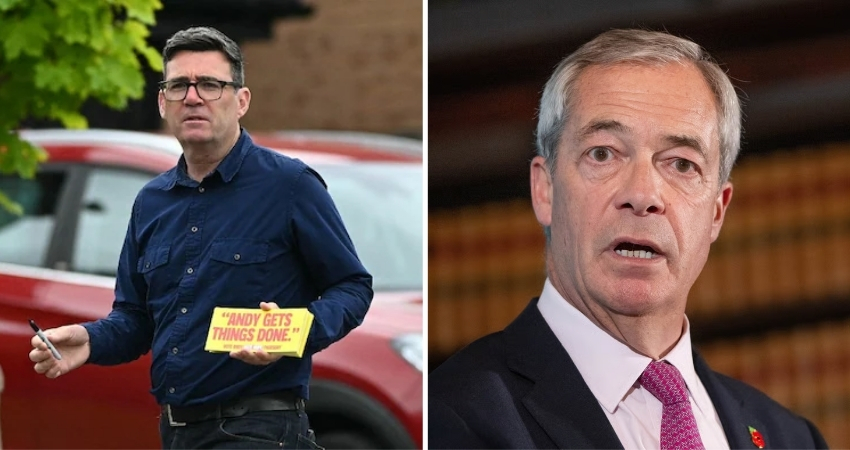
Still, many argued the British public should have a direct say — including Andy Burnham, who posted a blunt message on social media: “#GeneralElectionNow.”
He wasn’t the only one. Angela Rayner, now a supporter of Burnham, also spoke out after Rishi Sunak became prime minister on October 24, 2022. She criticised the process, saying: “Rishi Sunak has been crowned by Tory MPs. It’s a coronation, not an election.” She added: “He has no mandate and the British people have had no say. #GeneralElectionNow.”
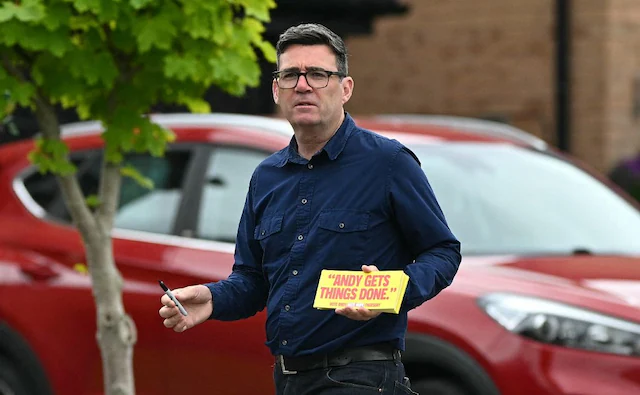
Now, the situation has flipped. Burnham is expected to become prime minister without going to the public. It even appears — though nothing is confirmed yet — that he could take office through a coronation rather than a contested race.
This time, however, neither Burnham nor Rayner is calling for a general election. The standard seems to have changed now that it is a Labour government replacing its leader.
To be fair, Burnham does not need to call an election. In Britain, voters elect a Parliament, not a prime minister.
If Burnham and Rayner are criticised for inconsistency, fairness requires acknowledging both sides: they may have been wrong in 2022, but right now if they believe there is nothing preventing Burnham from walking straight into No 10.
Even so, the incoming prime minister could still face pressure to seek a public mandate.
Labour MP Mike Tapp previously argued, shortly before Keir Starmer resigned, that a change in prime minister should trigger a general election.
Polling suggests many voters agree. An Ipsos survey found 55% of voters would support a law requiring an automatic general election whenever the governing party changes leader during a parliamentary term. Although the rule would apply to any party, the timing of the survey — between June 22 and June 24, after Starmer’s resignation — suggests Burnham’s rise was front of mind for many respondents.
Speculation is growing that Burnham may ultimately give voters what they want by calling an early election — if not immediately, then well before the next scheduled vote in 2029.
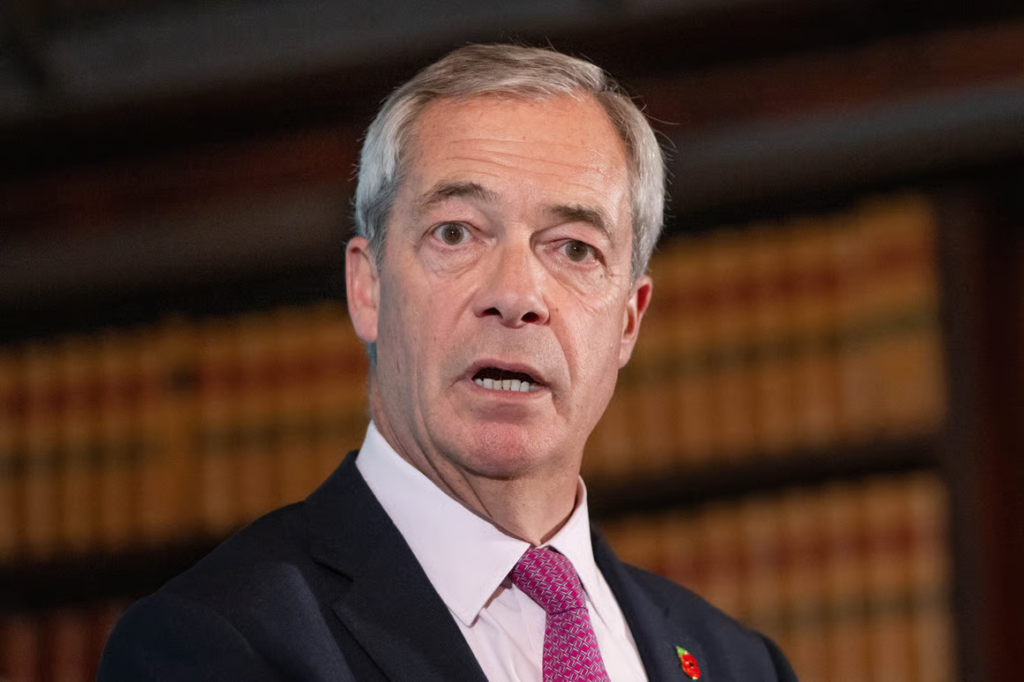
That idea could work in Labour’s favour. Reform UK may struggle in a snap election, with leader Nigel Farage still building the party’s infrastructure. The recent Makerfield by-election highlighted weaknesses after candidate Rob Kenyon faced backlash over controversial social media posts, exposing flaws in candidate vetting. Farage also continues to face pressure from Rupert Lowe and his Restore Britain movement.
Meanwhile, the Conservatives could become a more serious threat over time. Polling suggests party leader Kemi Badenoch is winning over some voters, even if that has yet to translate into a major polling boost. For now, many still associate the Conservatives with the chaos of their final years in government.
But Badenoch is focused on the long term, knowing the Tory brand will take time to rebuild. Burnham may conclude that his best strategy is to deny her that time and go to the country sooner rather than later.
There is, however, one major problem: many Labour MPs would strongly oppose it.
Labour currently holds 403 of 650 seats in the Commons. Even if the party won another election, it would almost certainly return with fewer MPs. From Burnham’s perspective, a smaller majority might be worth accepting if it secures him a personal mandate to push through his agenda. But Labour MPs at risk of losing their seats are unlikely to see it the same way.