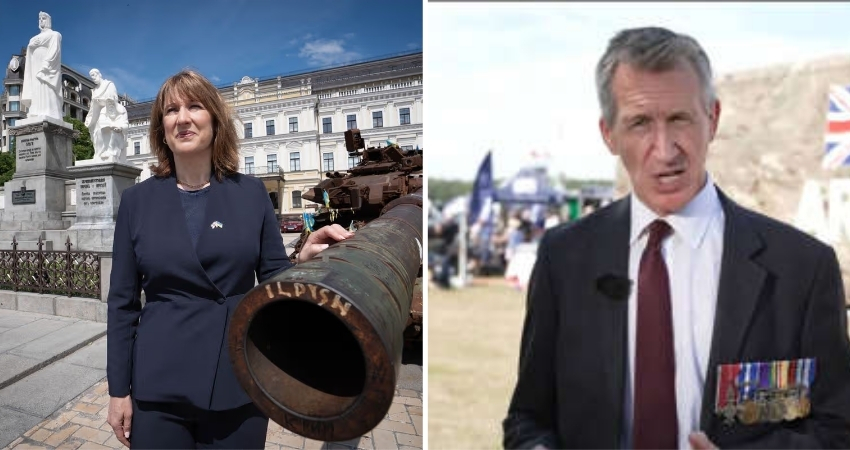
Chancellor Rachel Reeves has confirmed the Government’s Defence Investment Plan will be published “imminently”, pledging increased funding for the armed forces after years of underinvestment.
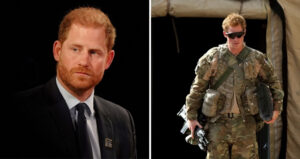
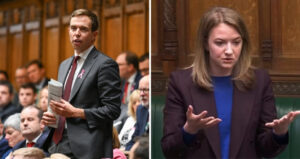
Speaking to reporters in Kyiv, Reeves said the long-awaited strategy would help address concerns that led former Defence Secretary John Healey and former defence minister Al Carns to step down.
She said: “The defence investment plan hasn’t yet been published, and what I can tell people is that the plan will involve more money.”
The strategy is expected to be unveiled before NATO leaders meet in Ankara, with Reeves stressing the need to respond quickly to growing security threats.
She pointed to her record in office, saying she had overseen the biggest rise in defence spending since the Cold War.
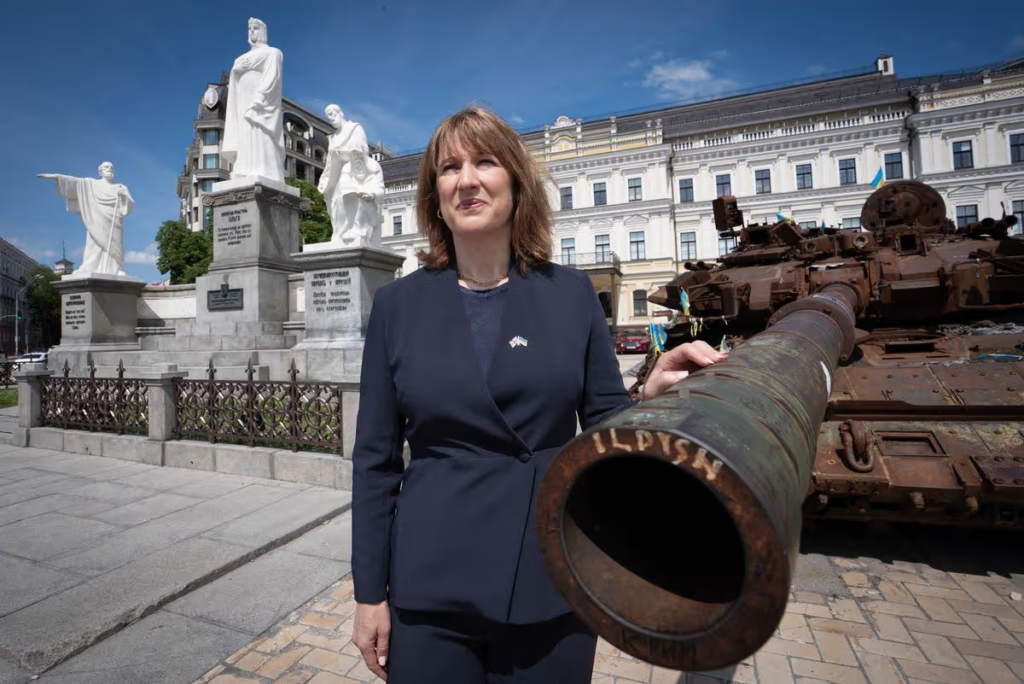
“But given the scale of the challenges we face today, we need to go further,” Reeves added.
The Chancellor also addressed the political transition ahead, saying Andy Burnham — widely tipped to become the next prime minister — would continue Britain’s strong support for Ukraine following Russia’s invasion.
Reeves said the investment plan would focus on modern and future conflicts rather than past wars, echoing concerns raised by Conservative leader Kemi Badenoch.
“Crucially, the defence investment plan will focus on the wars of today and tomorrow, not those of the past,” she said.
She added that while in Kyiv, she had met British and Ukrainian tech and defence firms developing frontline innovations at remarkable speed.
Reeves stressed that Britain must learn from active battlefields as warfare and military technology continue to evolve rapidly.
“It’s important that when we publish our defence investment plan, we learn from the front line, because the nature of warfare is changing constantly, and we need to prepare for the battles of the future,” she said.
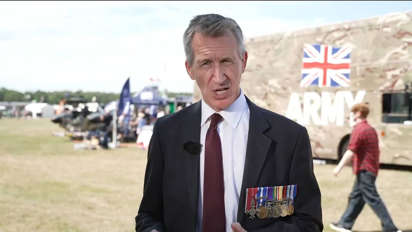
Recently appointed Defence Secretary Dan Jarvis said discussions with the Treasury had progressed in recent days and insisted the Government wanted to “get it right”.
The defence investment plan was originally due last year but was delayed by internal disagreements over how much funding the military needed.
Jarvis’s predecessor, John Healey, resigned earlier this month after arguing the proposed £13.5 billion increase in defence spending fell well short of what was required.
Asked whether the plan was ready, Jarvis said: “I’ve been working hard since taking office to ensure we have the right resources and the right mix of capabilities.”
“The Prime Minister has been clear that we will publish the defence investment plan before the NATO summit. That is exactly what we will do.”
He said his priority was ensuring the plan delivers the right balance of funding and military capability.
Jarvis added that significant progress had been made across Government over the past week and said he was determined to finalise the plan before the summit.
The move could create tension with Andy Burnham, who may want greater influence over future defence spending if he becomes prime minister.
Jarvis, who previously worked closely with Burnham during their time as regional mayors, praised him as an effective leader.
“He was an exceptional mayor of Greater Manchester, and I believe he will be an excellent prime minister,” Jarvis said.
“He understands the importance of national security and the need to properly invest in our armed forces. We want to do more, and the defence investment plan will help deliver that.”