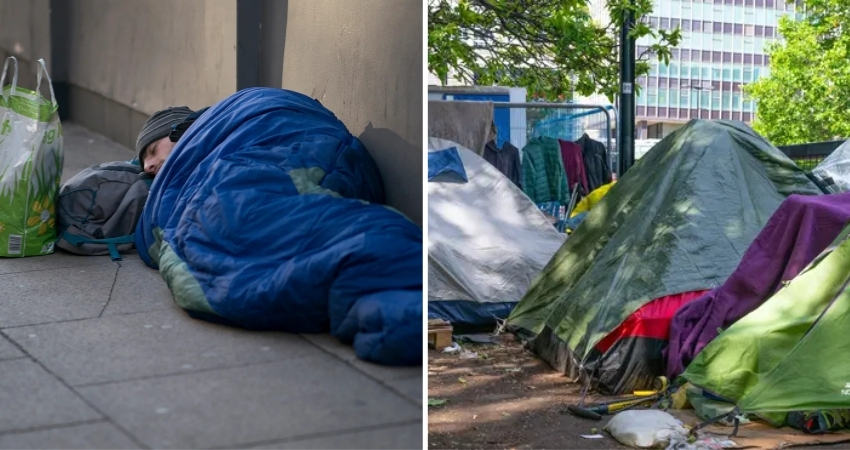
The Government will move on Monday to formally scrap the Vagrancy Act, ending a 200-year-old law that has effectively made rough sleeping a criminal offence.
The Ministry of Housing, Communities and Local Government has confirmed the Victorian-era legislation will be repealed using secondary legislation.
Housing Secretary Steve Reed said the change represents a clear break from treating homelessness as a crime and towards a focus on support.
“Homeless people are not criminals, they are people who need help,” he said.
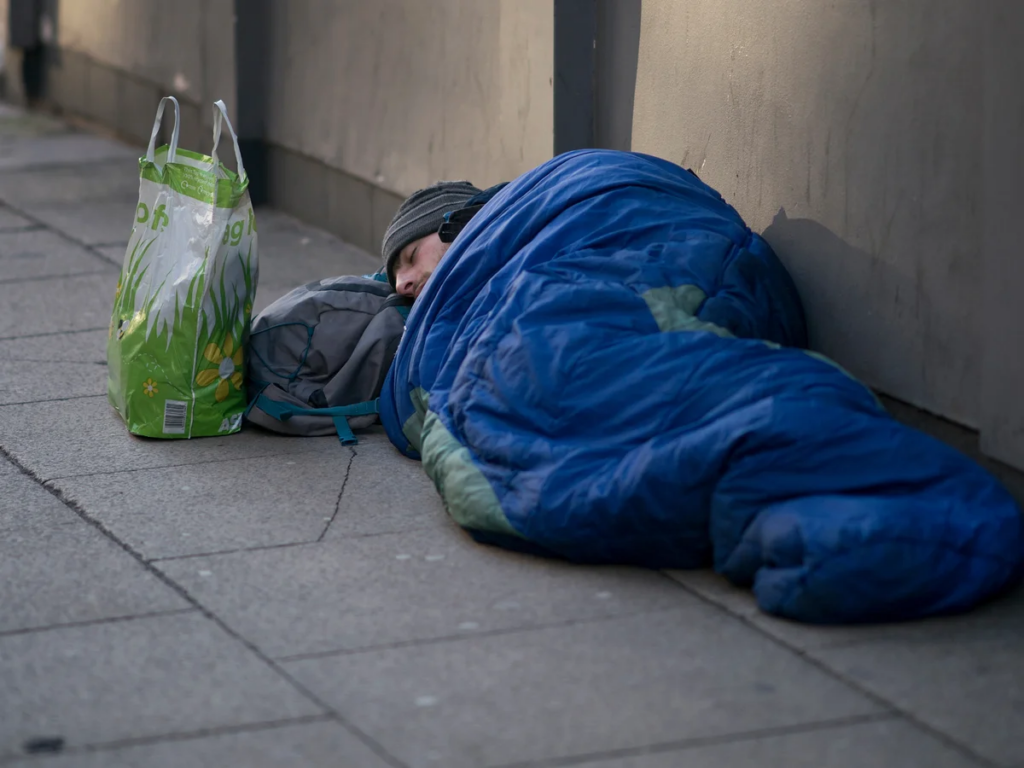
“By repealing the outdated Vagrancy Act, we are shifting from punishment to prevention, alongside our investment to tackle homelessness for good.”
Introduced in 1824, the Act was originally designed to deal with what lawmakers then called “idle and disorderly persons, rogues and vagabonds”.
Conservative ministers first promised to scrap it in 2022, but the repeal was delayed until alternative legal powers were in place.
As a result, the law stayed on the books for several more years and continued to criminalise rough sleeping.
The repeal will now go ahead after Labour’s Crime and Policing Act, passed in April, was confirmed to provide replacement powers.
That legislation creates new offences aimed at organised begging and criminal exploitation, rather than targeting homelessness itself. It includes powers to go after people who profit from encouraging begging, as well as those trespassing with intent to commit crimes.
Ministers say the new framework keeps police powers to tackle anti-social behaviour while removing laws that punished people simply for sleeping on the streets.
Homelessness charities have broadly welcomed the move.
Crisis chief executive Matt Downie called it “a watershed moment” and the end of a “deeply cruel” approach that criminalised homelessness. He said the old law pushed vulnerable people away from services for fear of prosecution.
St Mungo’s chief executive Emma Haddad also backed the decision, calling it a step towards a more humane system focused on prevention and support.
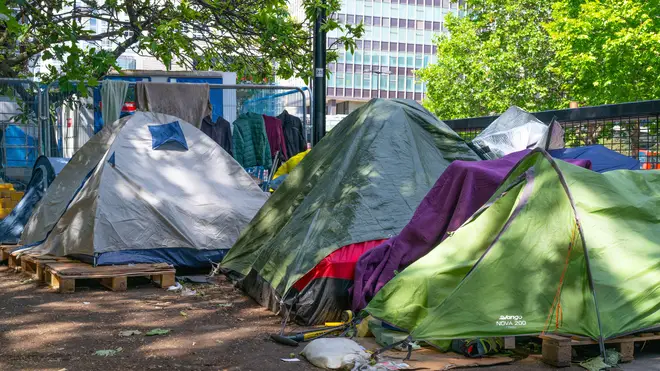
Housing Justice chief executive Bonnie Williams said the repeal should be part of a wider shift in how homelessness is tackled, stressing the need for compassion, not punishment, and long-term support that helps people rebuild their lives.
In March 2026, an estimated 7,541 people were sleeping rough in England over the course of the month.