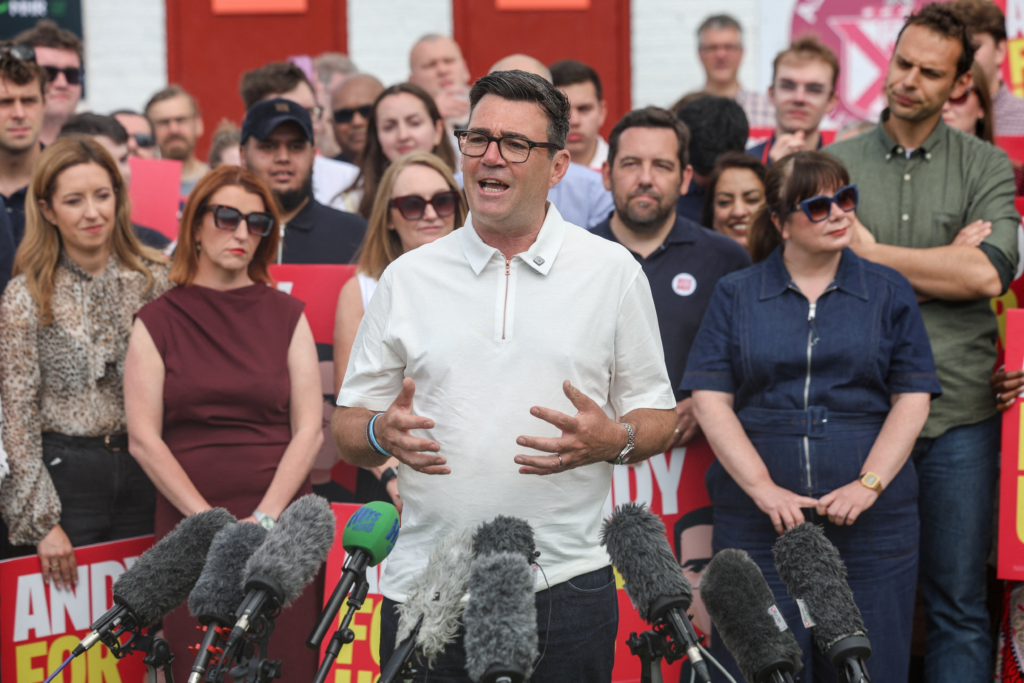
Andy Burnham is expected to set out a major speech today, outlining a 10-year vision for how he would govern if he becomes Prime Minister.
Speaking in Manchester on Monday, the former mayor and newly elected Makerfield MP will push for more power to be shifted away from Westminster, including the idea of a “No10 in the North” if he ever enters Downing Street.
He is also set to talk about “good growth in every postcode”, with allies saying the plan would mark one of the biggest transfers of authority from Whitehall in decades.

Burnham, often dubbed the “King of the North”, is expected to argue that his generation of politicians must take responsibility for declining public trust in politics, as polling suggests growing support for him alongside a weakened Labour under Sir Keir Starmer.
His speech is also expected to include reforms to public procurement, focusing on “buying British” to support domestic industry, alongside requirements for social value such as apprenticeships and work placements.
Education changes will reportedly aim to put academic and technical routes on an equal footing, continuing reforms already started by the current government.
According to reports, he will also propose giving regional mayors greater control over areas like social housing, welfare, and post-16 education as part of a wider push for regional economic growth.
In his book Head North, Burnham criticised the current system, saying regional leaders are often forced to go “on bended knee” to Westminster, and called for a fairer balance of power between central and local government.
If he remains the only contender in the Labour leadership race, the speech would come three weeks before he could formally take office on July 17.
Senior Labour figures have said the party is united behind him and have dismissed calls for a general election to reset his mandate if he becomes leader.
Housing Secretary Steve Reed has indicated any new leadership would likely bring “changes in emphasis” but maintain core fiscal rules, including borrowing limits.
Deputy Labour leader Lucy Powell also backed Burnham, saying he has a “clear sense of purpose” and that voters want the party to focus on governing rather than internal politics.
Burnham won a decisive victory in the Makerfield by-election earlier this month with 55% of the vote, following poor local election results for Labour in May that intensified pressure within the party.
Attention is already turning to who might serve in his potential cabinet, with Chancellor Rachel Reeves reportedly facing uncertainty over her future role.
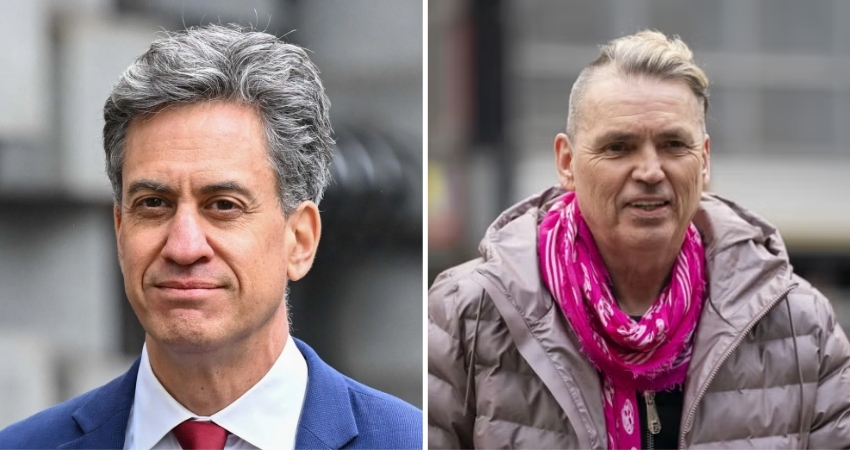
Senior figures including Home Secretary Shabana Mahmood and Energy Secretary Ed Miliband have been mentioned as possible senior appointments in a Burnham-led government.
Steve Reed has said he would be “very happy” to remain in cabinet and has been in contact with Burnham recently.
Meanwhile, Reform UK has called for a general election after Labour’s leadership change, while the Conservatives say they would be prepared for one if needed. Tory leader Kemi Badenoch has stressed defence priorities and suggested an early election should be considered if Labour fails to deliver.
Conservative Party chairman Kevin Hollinrake dismissed Burnham’s proposals as “the politics of distraction”, arguing they focus too much on shifting power rather than tackling issues like welfare, taxes, and defence.
He said the plans amounted to “more devolution, more committees, more process”, accusing Labour of avoiding the real challenges facing the country.
Burnham remains the only candidate to have publicly confirmed he will submit nomination papers for the Labour leadership contest on July 9.
Under the rules, candidates need backing from 81 Labour MPs, though Burnham is expected to have support from a far larger group.
If no challenger reaches the threshold, he could become leader unopposed, potentially making him Britain’s seventh prime minister in under a decade.