Middle-class families could face sharply higher tax bills on inherited property under proposals reportedly supported by allies of Andy Burnham to scrap the capital gains tax (CGT) “uplift” on death.
The changes would alter how CGT is calculated on inherited assets, potentially leaving some beneficiaries liable for both inheritance tax and capital gains tax on the same property.
Mr Burnham’s allies are understood to be exploring CGT reforms as Britain’s overall tax burden remains at its highest level in decades.
Louise Haigh, a close ally of Mr Burnham, recently said any review of the tax system should “at a minimum” look at reforming the uplift.
Health Secretary Wes Streeting, seen by some as a potential future Chancellor, has also previously suggested aligning CGT rates with income tax rates.
At present, inherited assets are revalued at market value at the time of death, which effectively wipes out any gains made during the deceased’s lifetime.

CGT is then only applied to gains made after inheritance if the asset is later sold.
Removing the uplift would mean beneficiaries inherit the original purchase price instead, potentially creating much larger taxable gains when the asset is eventually sold.
Under the reported plans, a higher-rate taxpayer inheriting a property that had doubled in value over decades could face a CGT bill of more than £23,000 on gains that are currently exempt.
Basic-rate taxpayers would continue to pay 18 per cent on qualifying residential property gains, while higher-rate taxpayers would pay 24 per cent.
Telegraph Money tax columnist Mike Warburton said: “We already have a death tax in the form of inheritance tax and I do not think we need another one. Executors already have a difficult job to do and we should not be making it any harder.”
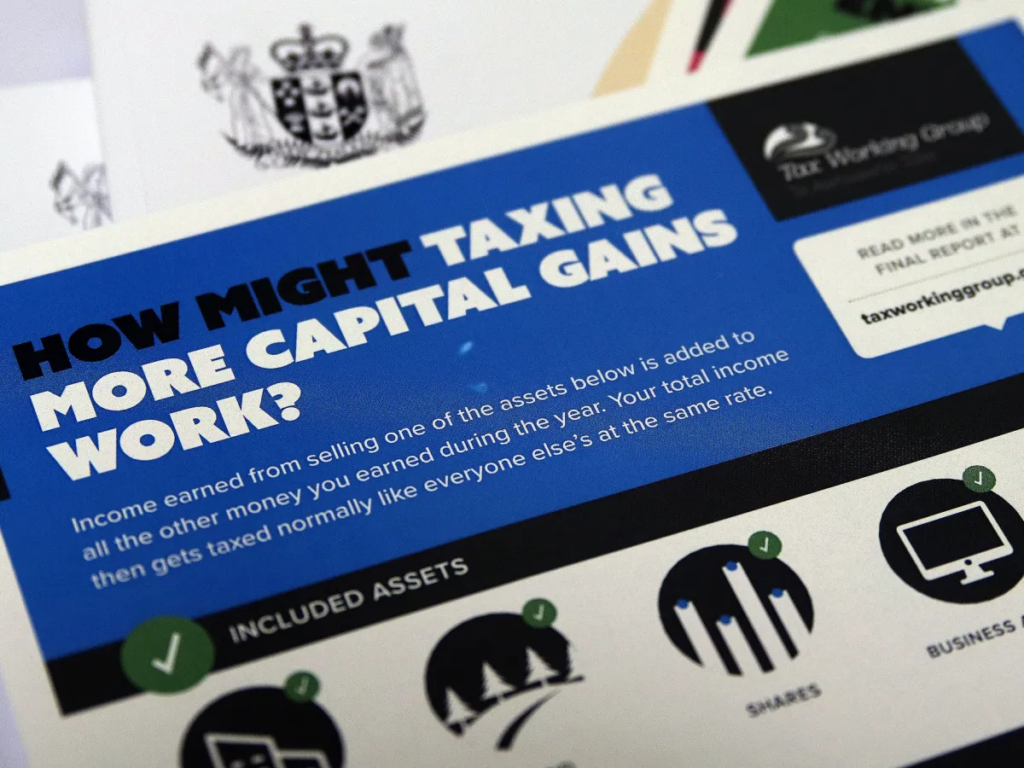
It remains unclear whether any CGT reform would be paired with changes to inheritance tax, raising concerns that some estates could end up exposed to both taxes on the same assets.
Gary Smith of Evelyn Partners said such an outcome would be “unlikely to go down well” with the public.
The biggest impact would fall on estates worth more than £500,000 for individuals, or £1 million for married couples and civil partners.
Begbies Chartered Accountants estimates that, in some cases, the combined effect of inheritance tax and CGT could push the effective tax rate as high as 62 per cent.
Supporters of abolishing the uplift — including Tax Justice UK, Centax and Fairer Share — argue the current system encourages people to hold on to rising assets until death to avoid CGT.
Begbies tax director Andrew Brooker warned that removing the uplift without broader reform could discourage asset sales.
“Discouraging asset sales through very high tax rates doesn’t make a great deal of economic sense either, as it gums up markets,” he said.
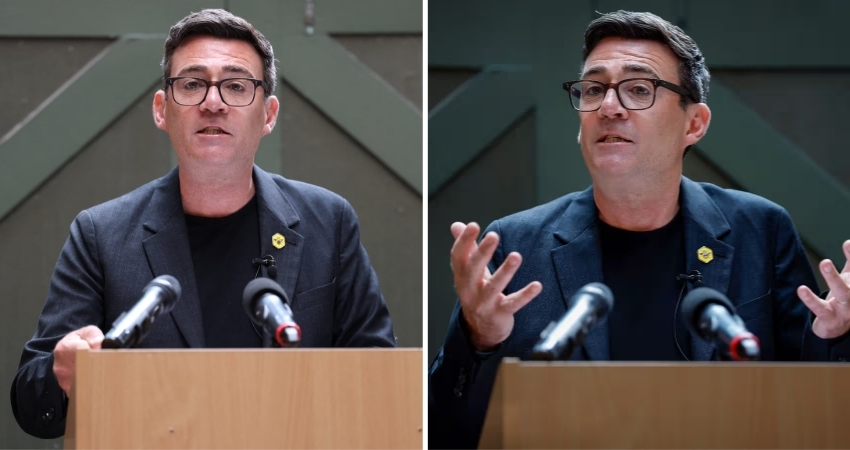
Mr Burnham’s speech in Manchester on Monday gave few details on his tax plans, saying only that he wanted to “give Britain the circuit breaker it needs”.
Olly Cheng, financial planning director at Rathbones, said: “From a personal finance perspective, there was plenty of style but little substance.”
According to the Institute for Fiscal Studies (IFS), around 350,000 people pay capital gains tax each year — roughly 0.65 per cent of the UK adult population.