I grew up in Oklahoma as part of the Cherokee Nation. After completing my bachelor’s degree, I decided to continue my education and moved to St. Louis, Missouri, to earn my master’s in sociology. I majored in statistics and minored in mathematics-numbers always made sense to me in a way life sometimes didn’t. Around that time, I met Brandon. We fell in love quickly, got married, and before long, welcomed our first daughter, Zenora.
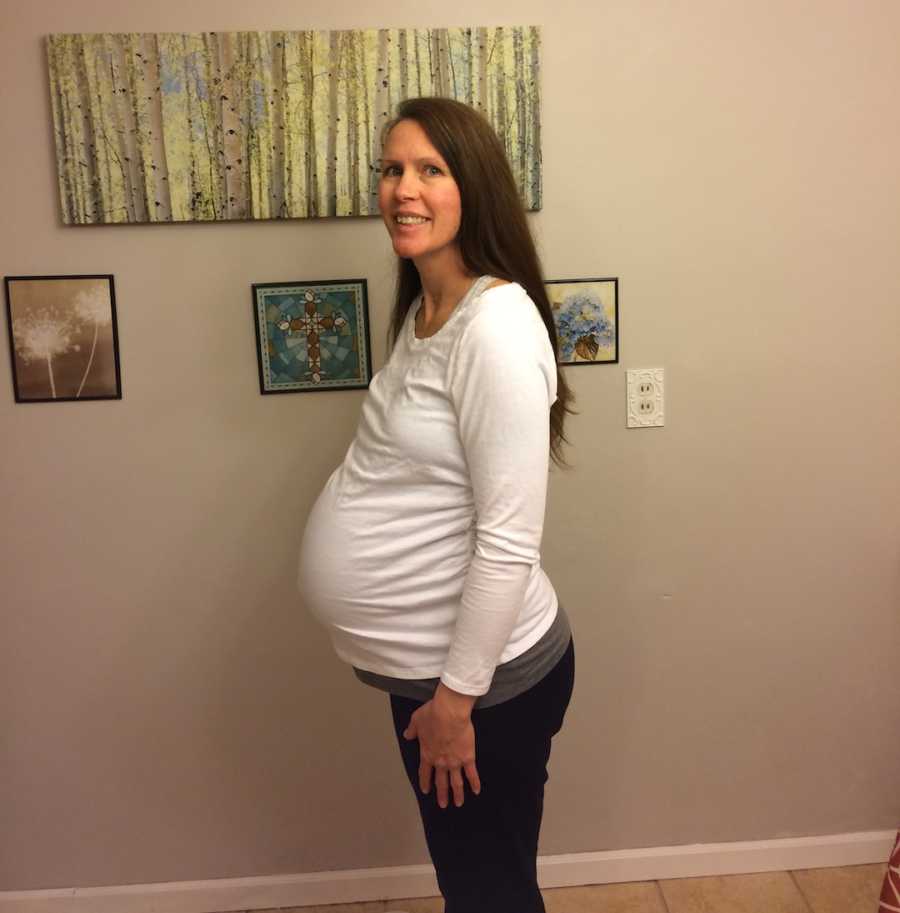
We knew we wanted a big family, though we had no idea what that would really mean. Then, two years later, Mason came along, followed by our sweet Kora four years later. Just when we thought our family was complete, life surprised us with Zoe, six years after Kora-our beautiful little miracle.
At our first appointment with Zoe’s pregnancy, the doctor paused during the ultrasound and mentioned he noticed something unusual around her neck and that she might have Down syndrome. His tone was calm, even cheerful, as he explained it. Brandon was in shock. I wasn’t, somehow deep inside me already knowing. Still, to hear it brought a wave of emotions. I grieved-not for who she was, but for the trials she may have to endure.
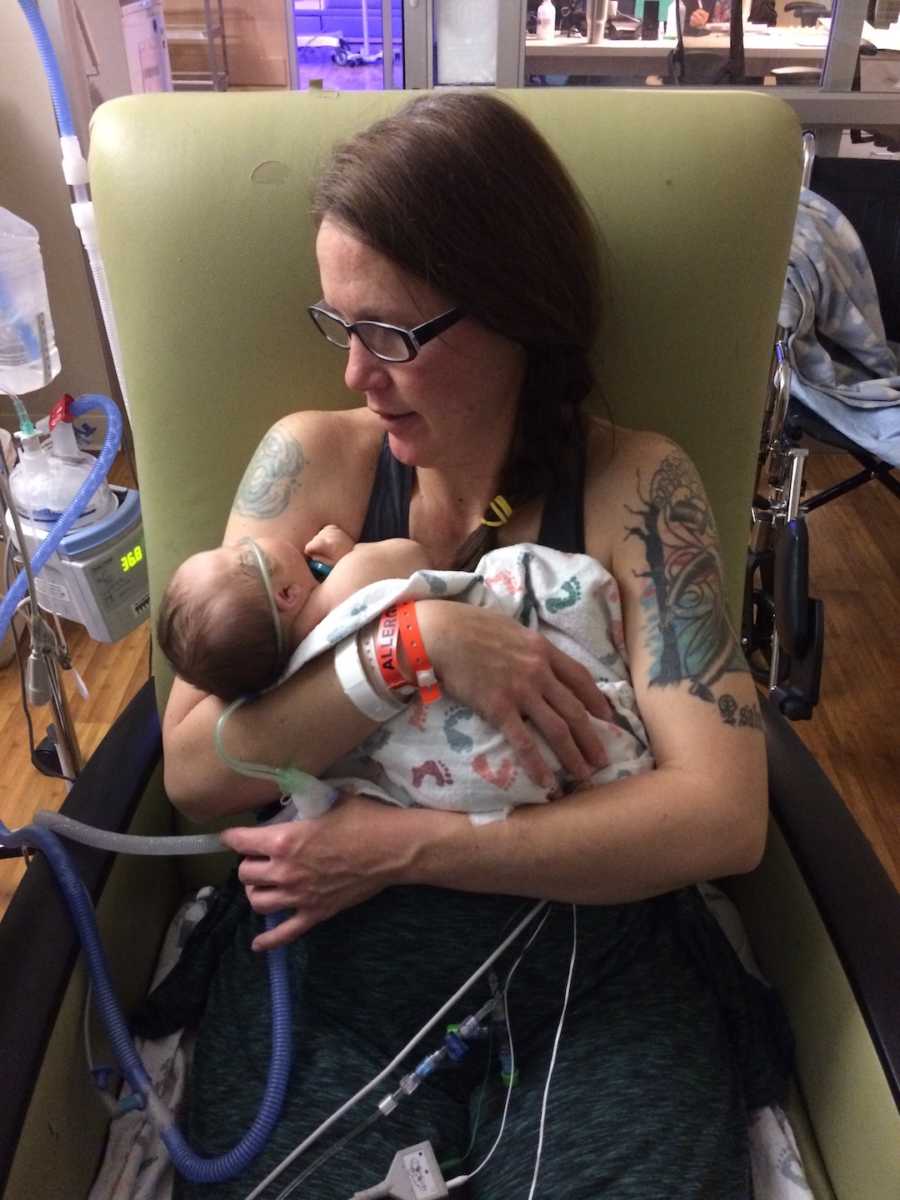
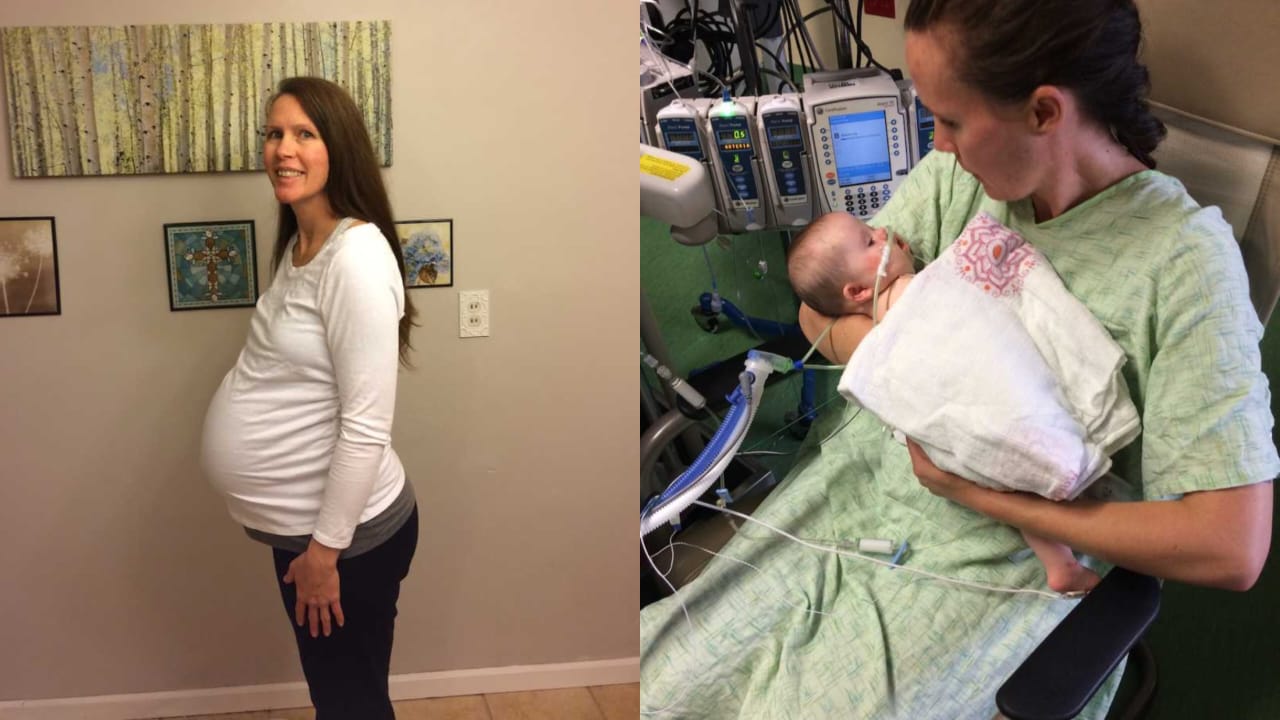
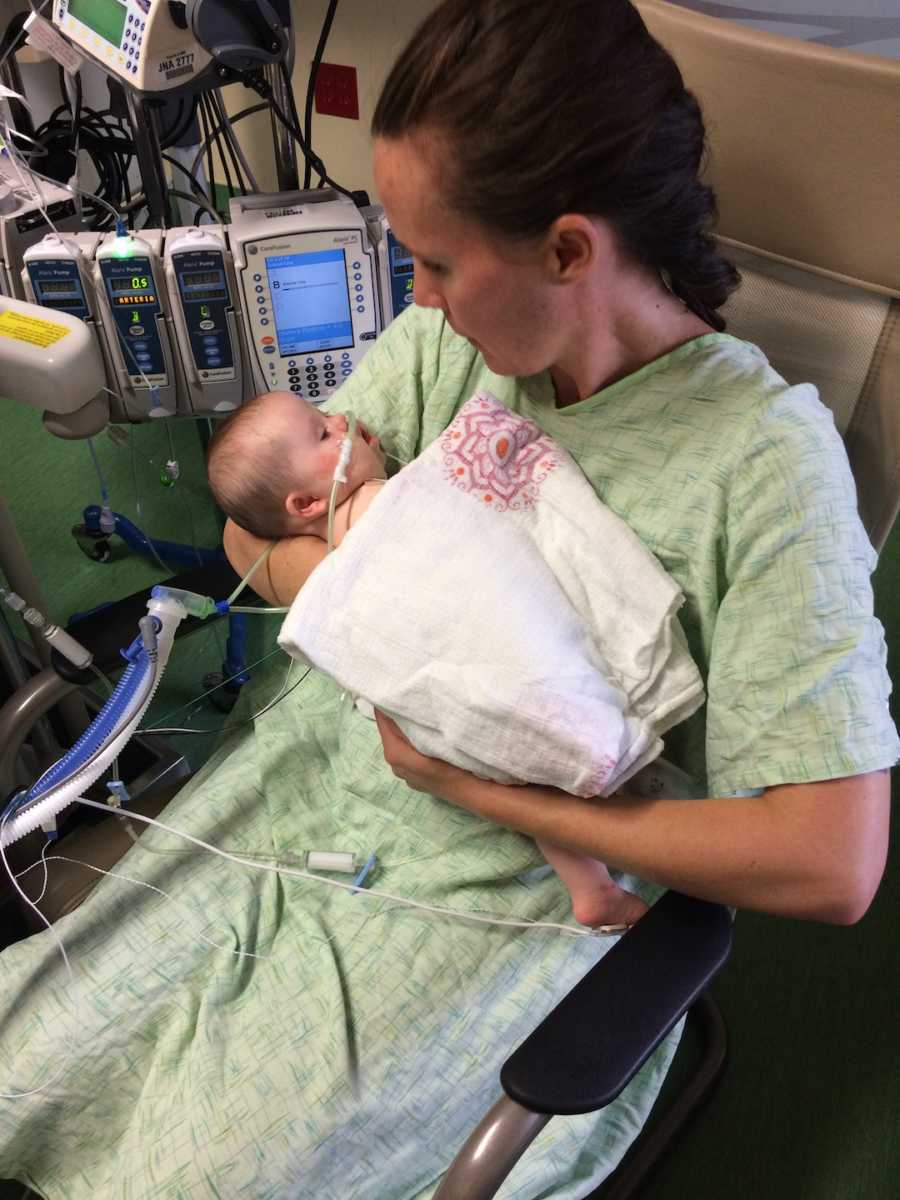
Months later, at three months old, Zoe would have to undergo open-heart surgery. I remember sitting by her crib the night before the operation and feeling like I was walking through fire. My tears wouldn’t come maybe because I felt I had to be strong for her. I prayed for my baby, for her doctors, for every hand that would touch her tiny body. I didn’t want to let her go, but I knew this surgery would save her life.
I packed her favorite soft blanket, the comfiest clothes that would allow for wires and tubes, my own pillow for the hospital chair. Brandon and I drove to the hospital together in silence, both clinging to faith. We prayed-again and again-for God to hold her when we couldn’t.
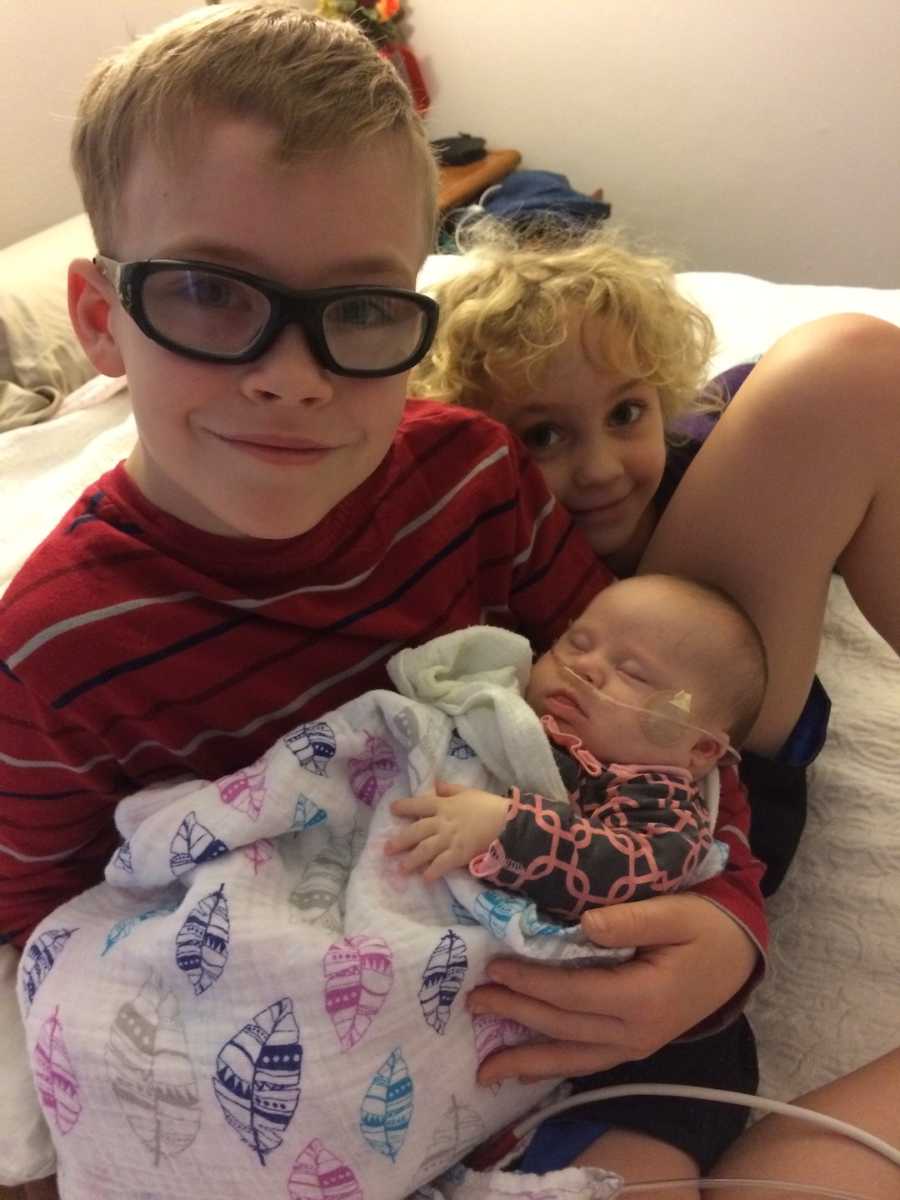
Our older three-Zenora, Mason, and Kora-were going through their own fire, too. They adored their baby sister, worried for her, prayed for her. We all did. And when the surgery was over, we cried tears of gratitude. Zoe had made it. She was strong, brave, and full of light.
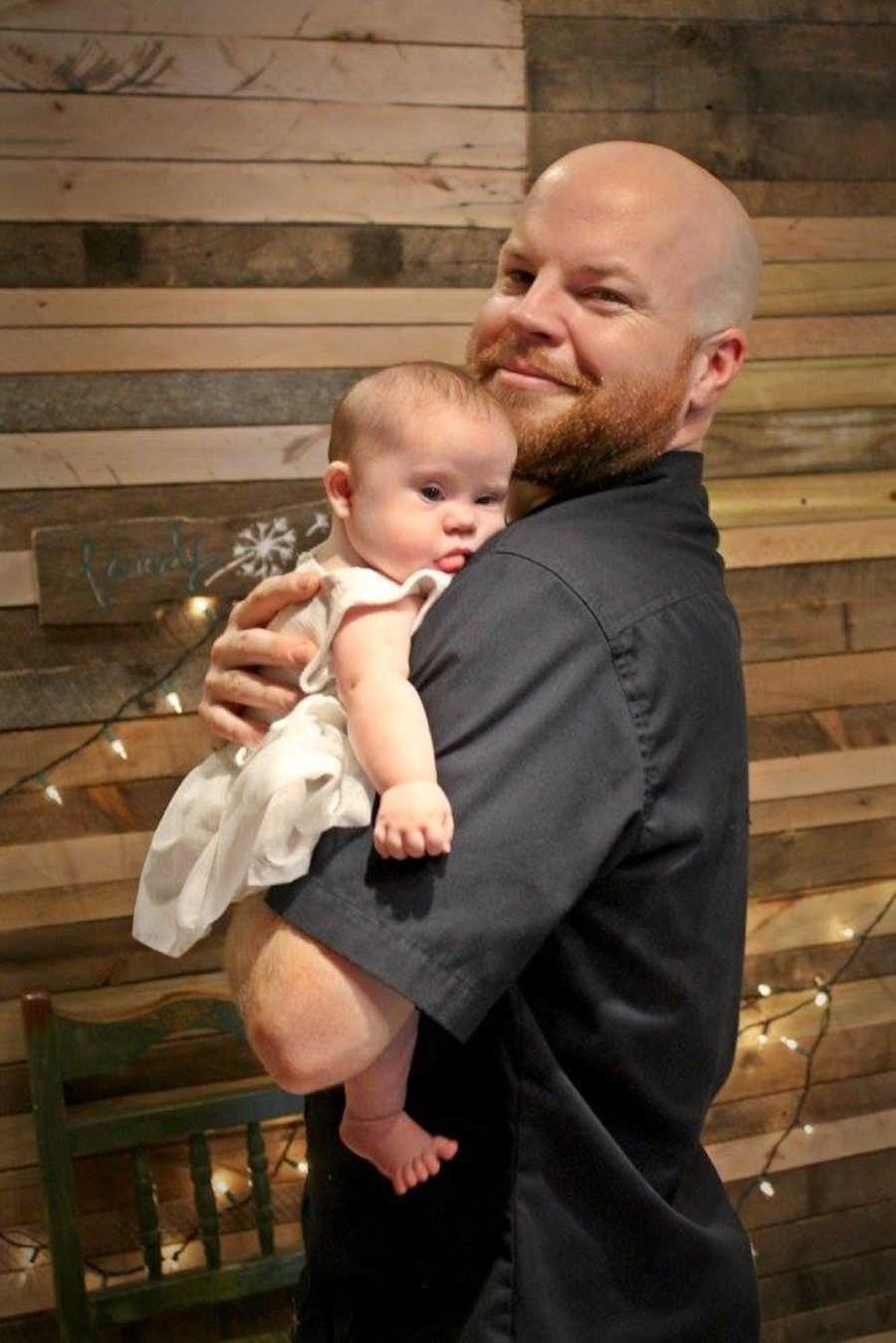
Today, Zoe is non-verbal, but that does not mean she doesn’t have a lot to say. She understands everything, and we make sure to speak to her clearly, never using baby talk. We also use sign language, and she picks it up so fast. She communicates beautifully-her eyes, her signs, her laughter-they all tell stories. She’s full of life, curious, and incredibly social. She’ll walk up to anyone and greet them with a bright “Hi!” and a touch on the shoulder. I never discourage that. I want her to know she belongs everywhere.
Zoe adores sensory stimulation: stroking her eyelashes, feeling soft textures, or fiddling with silicone brushes. It’s a good way to regulate herself, so we encourage it. She sees the world differently, and I think that’s a gift.
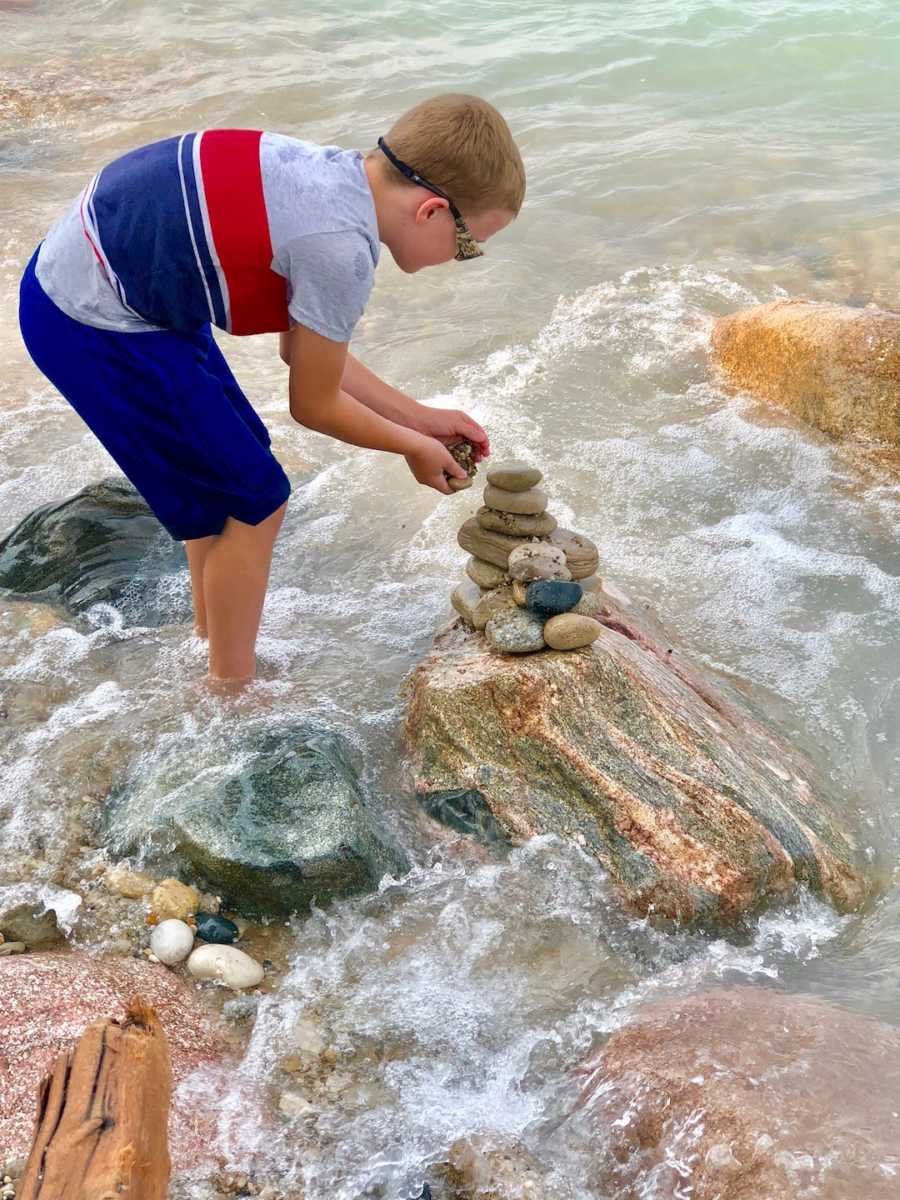
Mason is, in many ways, her opposite: whereas Zoe seeks sensory input, Mason avoids it. Before third grade, he was diagnosed with severe dyslexia and dysgraphia, and he also struggles with speech and sensory processing. But he’s brilliant-a natural engineer. He can build or fix almost anything, often in half the time it would take anyone else. He doesn’t just see in three dimensions; he seems to see in four. His mind works in ways I can’t fully explain but deeply admire.
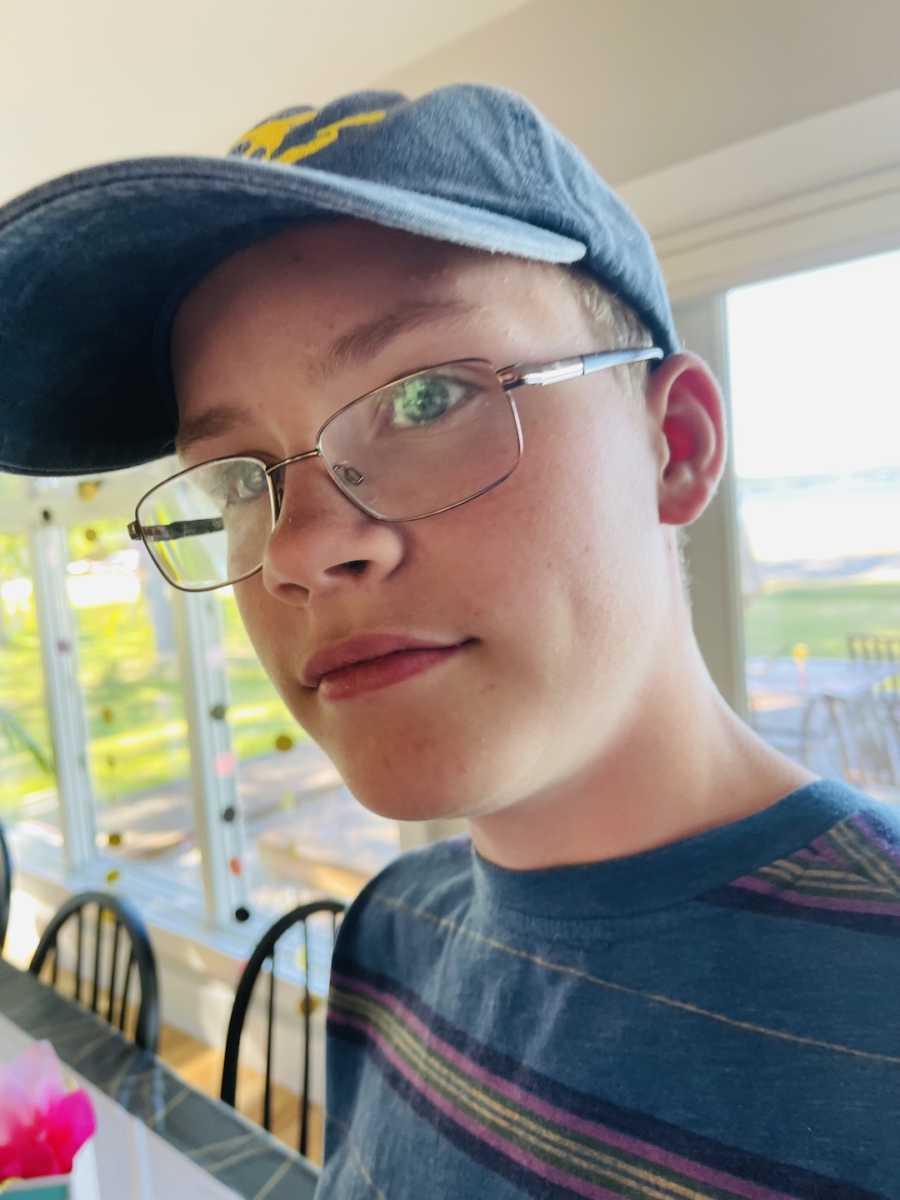
My dream for Mason and Zoe is simple: to live in a world that believes in them. A world inclusive of them, not as token gestures, but as strengths that elevate everyone. We are all different, and that is the most beautiful part of being human. I don’t see disabilities; I see different abilities. And every day, my children remind me that there are so many forms of strength, love, and courage out there.