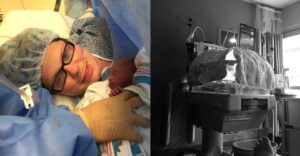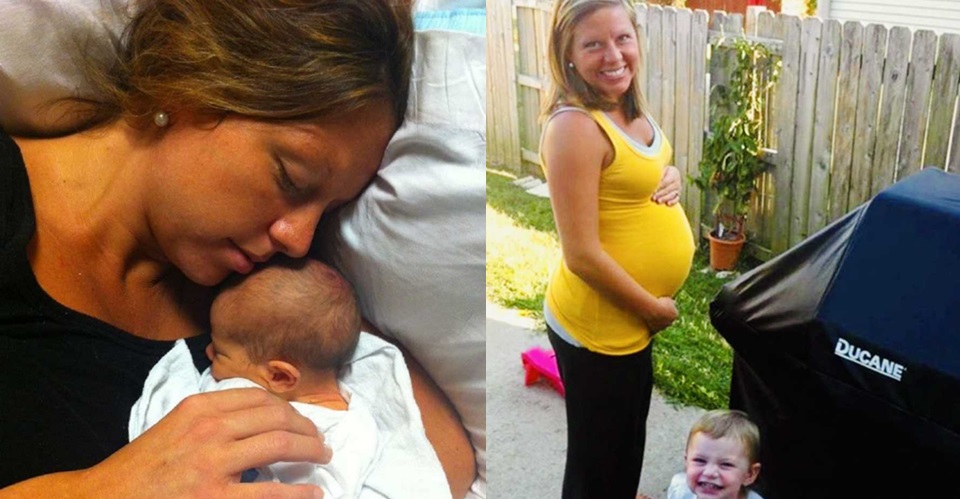
But everything changed on September 14, 2012. After the pain of infertility, the failure of multiple laparoscopic surgeries because of stage IV endometriosis, and the viciousness of the PCOS, the odds of having a second child had been incredibly low. One Fallopian tube had been irreversibly destroyed, ovulation had become unpredictable, and the chances of carrying a pregnancy were low. Yet she managed to conceive Henry. The happiness that engulfed her when she found out that she was going to give birth to a boy had the pain of multiple layers of miraculous events.
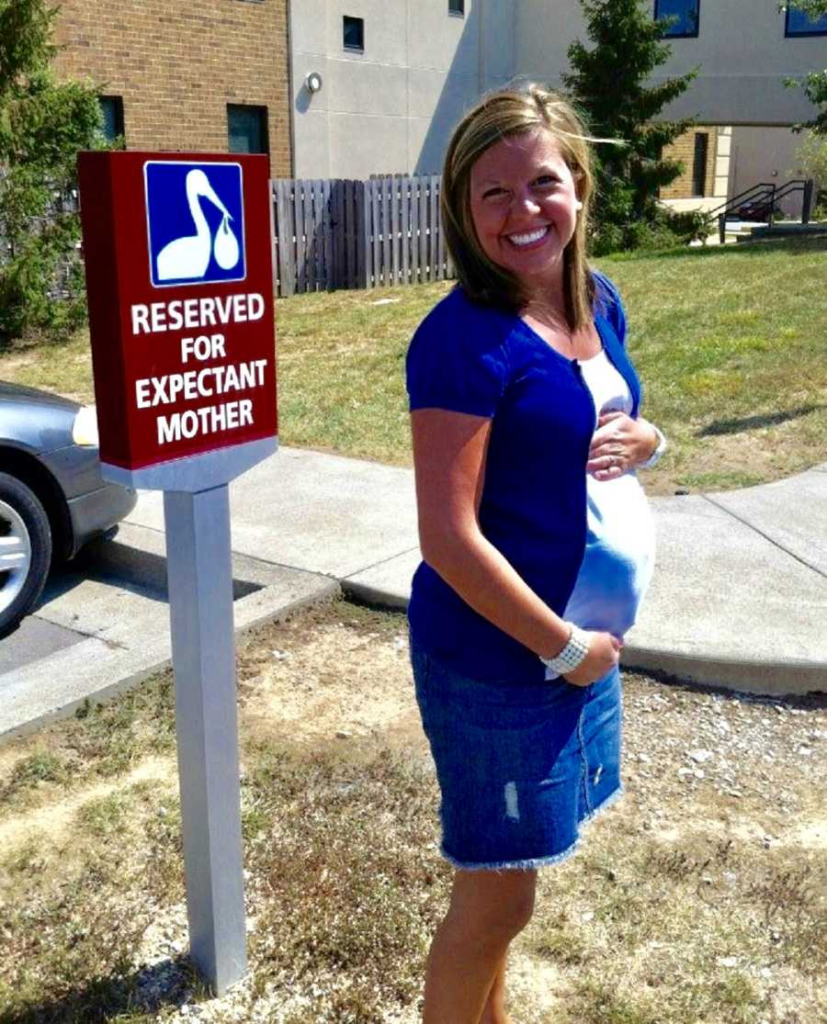
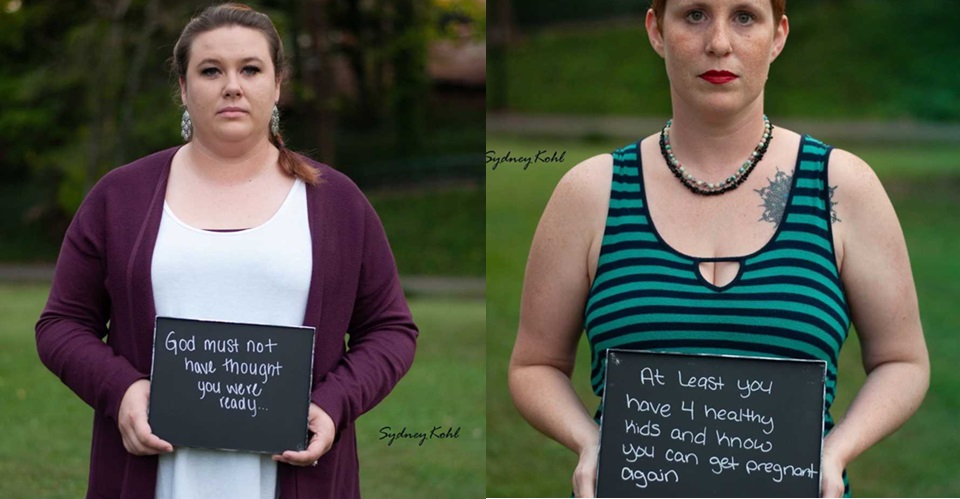
Right from the start, this pregnancy had been different from the last. “I was constantly tired, nauseous, bloated, and gaining weight even though I hardly ate.” They attributed it to caring for a toddler. Then, during their vacation in Florida, they awoke gasping for air. They thought they had “severe heartburn.” But the pain even escalated when they drank a glass of water. Again, they were reassured that there was nothing wrong. But deep within, a question lingers that will not go away. That question is “what if somebody had listened?”
Two days before the birth of her son, Henry, she had flu-like pain throughout her body. Intuitively knowing that something was not right, she made an appointment with her OB, leaving her daughter with her mother. Blood pressure was high it was not high enough to be of concern, though definitely life-threatening. Blood tests were requested, though the phlebotomist had trouble getting her blood.
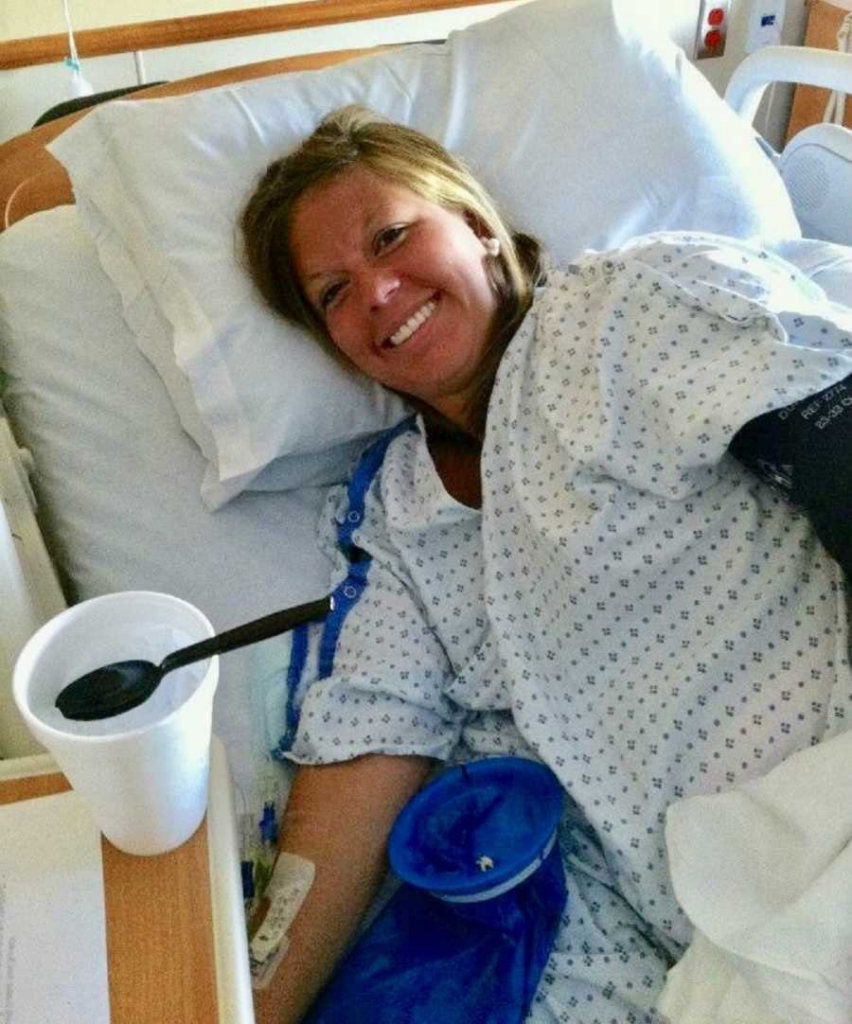
That night was brutal. The next morning, she finally had to call the office again, her instinctive conviction that something was horribly wrong. Just as she was starting to worry, it went into hold, and the voice that came back was one she could never forget. “Baby, it’s not good. You need to get here now.” She already knew that she had never felt the baby move.
The high-risk OB team was right there. The lights were turned down low in the delivery room. Voices were muffled, but two words were clear: preeclampsia and HELLP syndrome. With the onset of labor, her water broke, but it was full of blood. C-sections were ruled out, and it was likely the reason she was able to stay alive. Her platelets were critically low, but the epidural was inserted for absolutely excruciating pain. Throughout, she knew that God was protecting her and that precious baby.
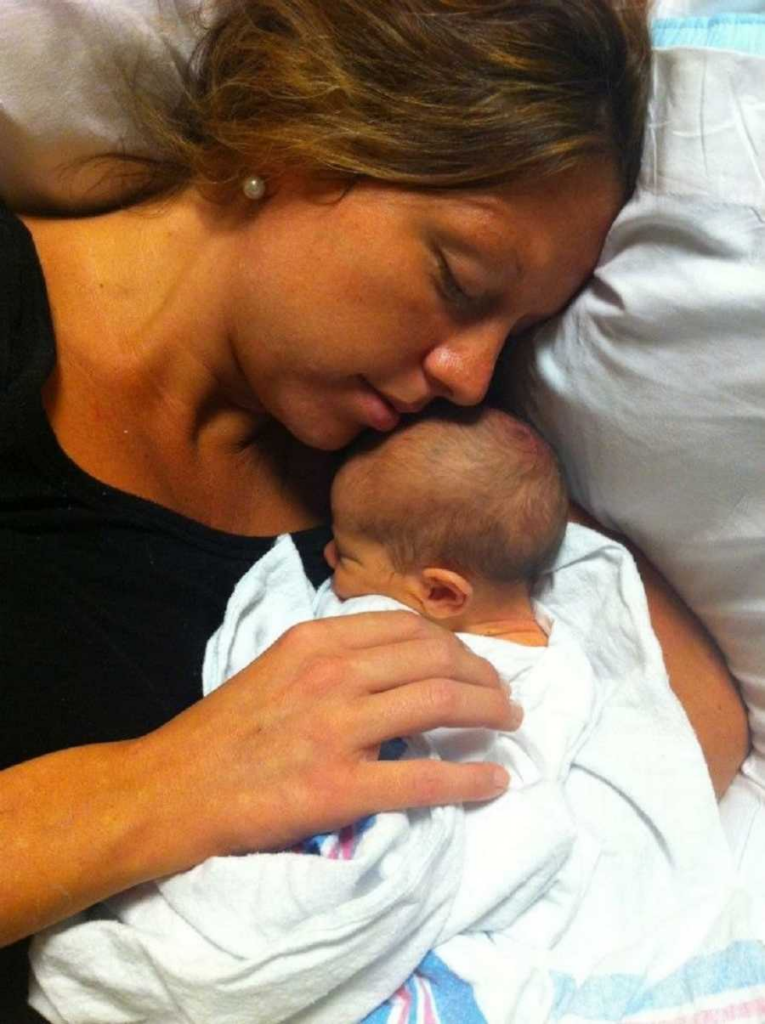
As her body began to shut down, oxygen was rushed into the room. “I fought it until Mama reminded me it was for Henry.” In this instant, everything clicked into place. “I clenched fists, pushed twice, and delivered a perfect 36-week baby boy with all ten toes and fingers.” But she also lived. However, she had yet to fight the battle of recovery.
The following week was focused on treating seizures, unstable blood pressure, and magnesium sulfate side effects. While the medical component of her treatment was excellent, there was little recognition of the trauma her body had suffered. There was severe aftermath for simply surviving, including a complete hysterectomy at the age of twenty-two, blood pressure management for the rest of her life, and her bones are irrevocably damaged.
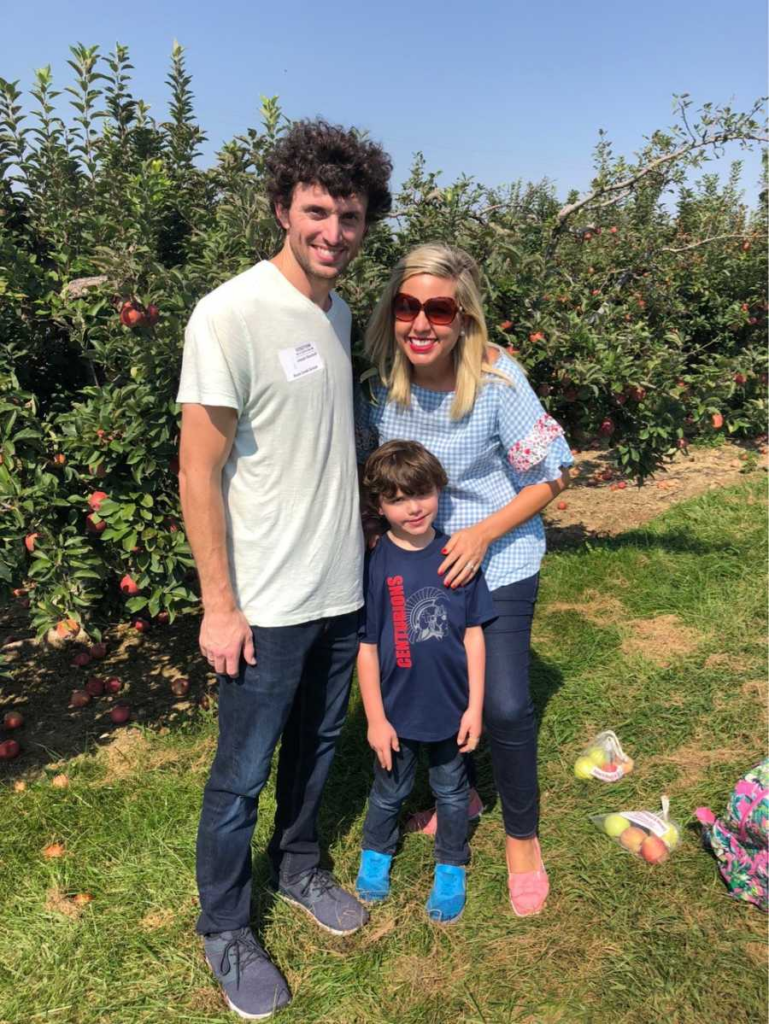
For a long time, she kept quiet, thinking that survival was all about moving on. The reality is that trauma doesn’t just go away because things look good on the outside. Advocacy became her new way of moving forward. Through her interaction with other women, as well as her research on deaths associated with childbirth, she realized that her experience was just one of many “near misses.” She was not prepared to be quiet anymore. Hand in hand with other advocacy groups, she struggles to make sure mothers are heard sooner. Every night as she listens for Henry sleeping and inhales his breathing, she is reminded of why she was given this breathing to fight for an opportunity for more mothers to breathe.