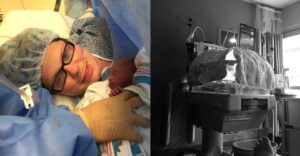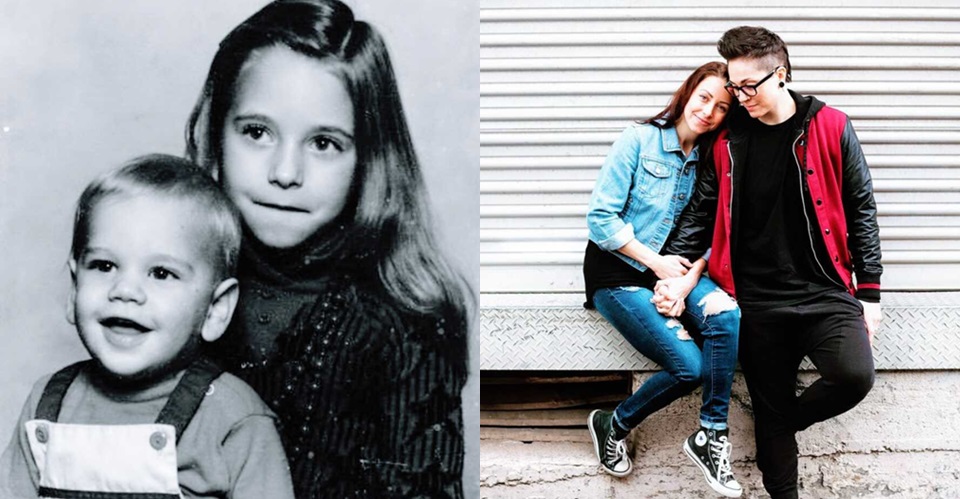
Once you learn who you are, you stop asking permission to be it. At forty-one, Melissa wears many hats. She runs a business, makes art, writes, studies, parents two kids, loves her partner, and now knows she is autistic. The diagnosis surprised her, but it also explained a lifetime of feeling out of step. She was one of the quiet girls who preferred books to playgrounds, who felt everything but could not always show it. In the eighties, autism was barely discussed, especially for girls who did well in school. She was called gifted early on, then watched that label slip as the world got louder and more complicated.
Junior high hit like a storm. She had six classes, shifting rules, and cliques she could not decode. Her one close friend went to another school. Melissa tried to fit in by pleasing everyone. It backfired. Classmates teased her, used her kindness, and shut her out without warning. Grades fell. Teachers said she was not living up to her potential. At home, she was called lazy. She carried those words into high school, finishing with a newborn in her arms and a diploma in her hand.
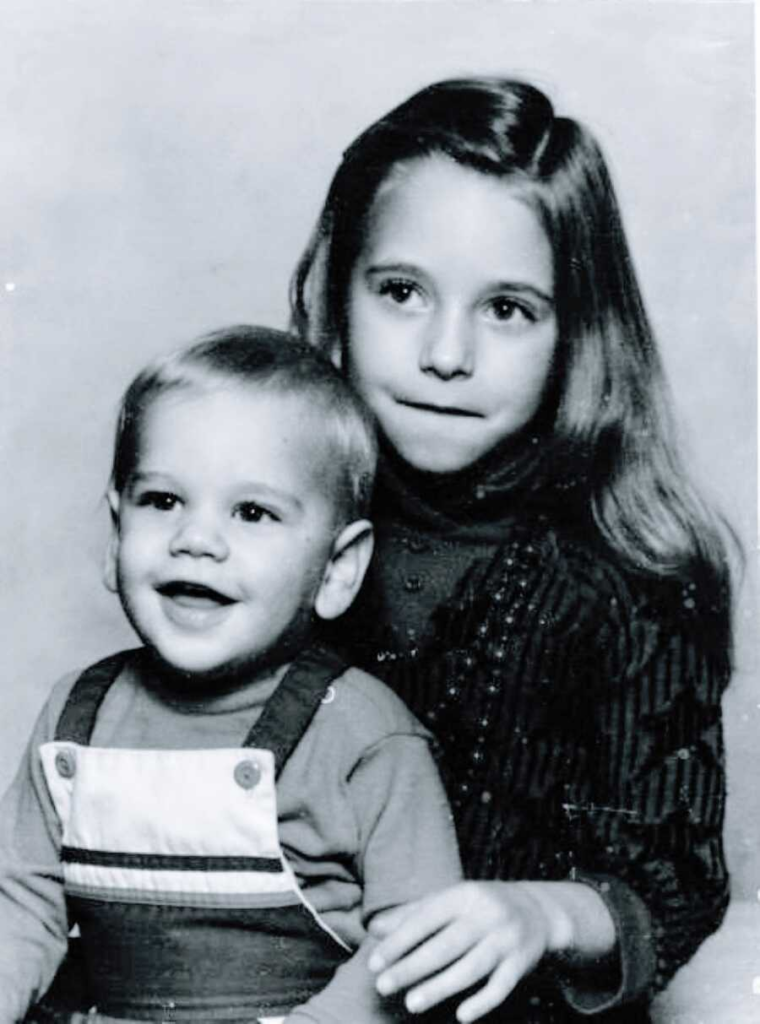
Adulthood arrived fast. She married at eighteen and divorced at twenty. She bounced through low-wage jobs, then pushed through nursing school while unraveling and rebuilding her life. By her late twenties, she was following a script she thought was required. She married again, moved to California, had a baby, and kept trying to be what the world expected. At thirty, she understood something fundamental: she was gay. She told her husband, her family, and her friends. Some questioned it. She knew it was true. Divorce followed, and so did a new beginning.
Years later, she met Grey, the partner who fits. When Grey came out as non binary, Melissa shifted language to queer at times and lesbian at others, learning that labels can be tools, not cages. Grey also nudged her toward an answer she did not know she needed. After a string of overwhelming episodes, Melissa searched for help and found a checklist about autism in women. Every line felt familiar. Research became her hobby.
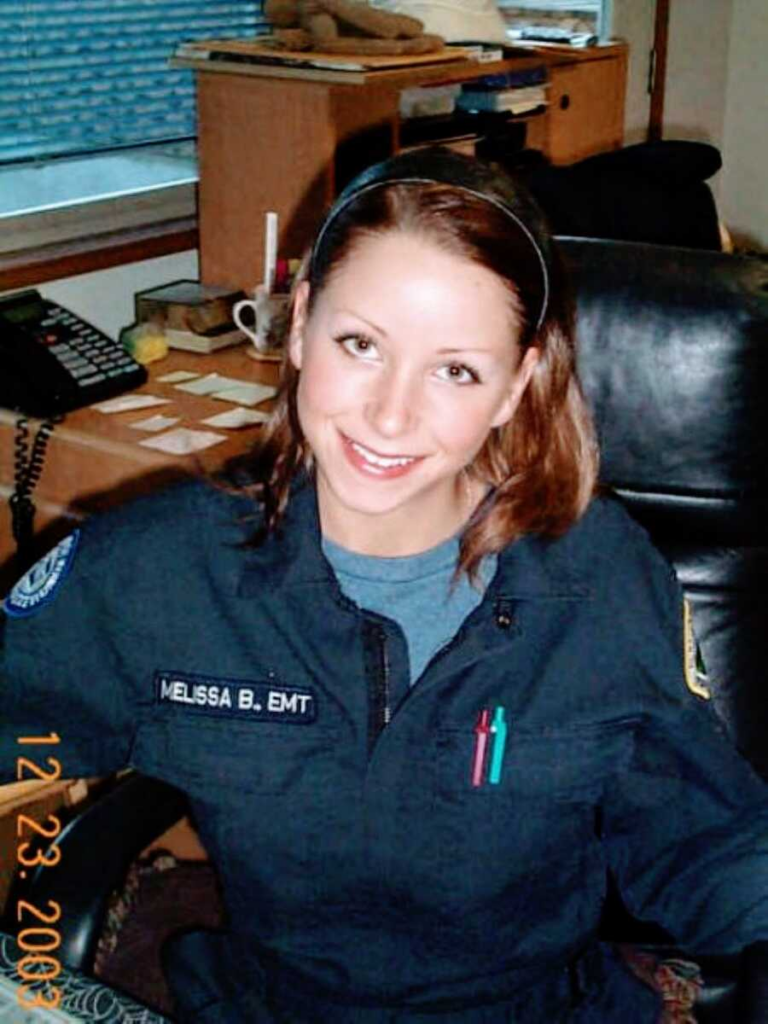
The more she read, the clearer her past became. She saw how masking and copying others buried her preferences and needs. She chose to seek a formal assessment. That path is hard for adults, especially women, but a nonprofit called GRASP guided her through months of evaluation. The result was autism and ADHD. The second label surprised her only because she had a narrow picture of what ADHD looks like. Her clinician explained how it can appear in autistic women. The pieces clicked.
Relief washed over her. For years, she had believed she was selfish, lazy, broken, too sensitive, unreliable. Those judgments had been pinned to her since childhood. Now she had a different map. Trouble making and keeping friends did not mean she was unlikable. Emotional storms did not mean she was crazy. Struggling in school despite her ability did not mean she lacked effort. Discomfort with change did not mean she was self-centered. Her brain works differently. That is not a flaw to fix. It is a fact to understand.
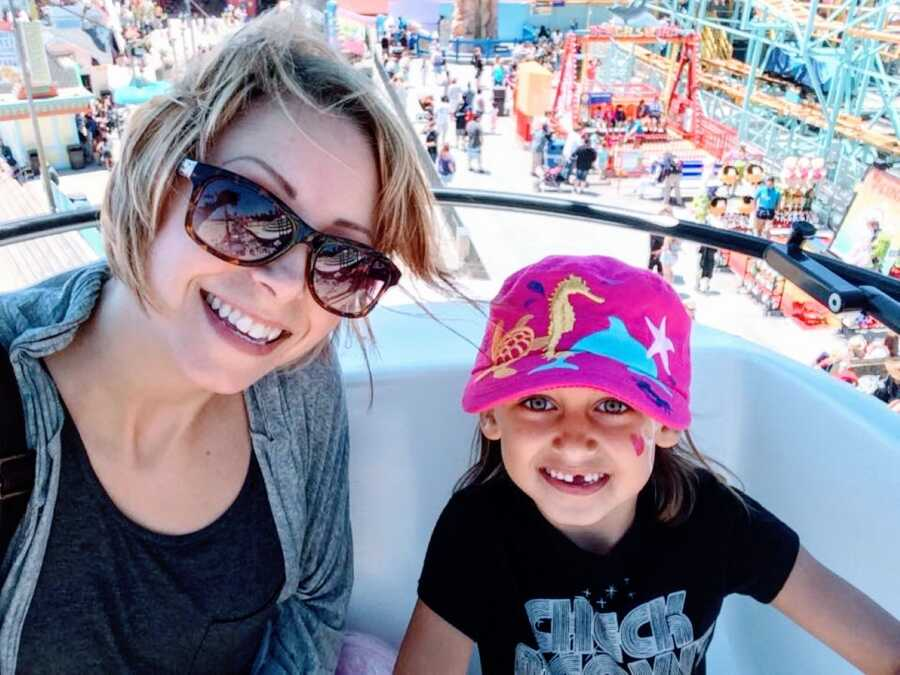
Understanding brought new habits. She writes to untangle thoughts. She paints to calm her nervous system. She started a podcast to speak openly as a late-diagnosed autistic woman. Creativity became a quiet room where her mind can breathe. The old pain did not vanish, and she is still healing, but she treats herself with more patience. She lets herself rest. She lets herself be. The diagnosis clarified a lot, but it complicated some things. Starting over at forty-one is not easy. She has spent a lifetime pretending and shrinking to fit.

Now she is rebuilding from the inside out, learning what she likes, needs, and how to live without a mask. There are awkward moments and small victories. There is grief for the years she lost to trying to be someone else. There is also gratitude for the chance to live more honestly. Melissa’s life is no longer about passing as typical. It is about making a life that matches her wiring, loving her partner and kids as she is, and giving others a handhold when they feel alone.