Even before life began, Kayleigh’s odds weren’t great. She came into the world as the child of two teenagers, wild-hearted and unprepared, being told to “consider all their options.” She wasn’t supposed to make it past the first breath, yet somehow she did. It was her grandfather, not a doctor, who noticed something was wrong when she began turning blue moments after birth. That quick instinct rushed her into the NICU and, unknowingly, started a lifetime pattern — Kayleigh would fight, again and again, and somehow, she would always make it through.
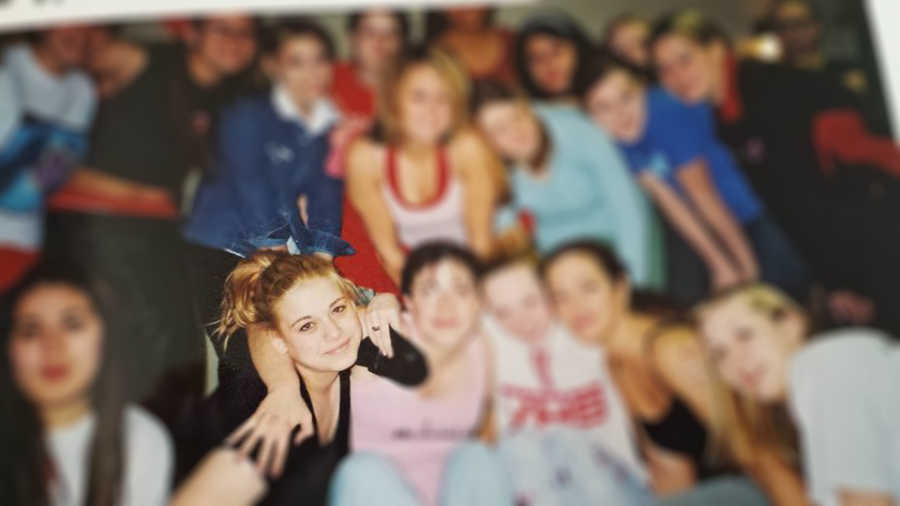
By age three, her tiny body had already battled more than most adults ever do. A vicious bout of salmonella nearly took her life, leaving doctors calling her mother in the middle of the night to say goodbye. But she survived. Childhood didn’t bring peace either. Schoolyard concussions piled up, one after another, until a single hit changed everything. Brain damage followed, and from that day forward, nausea and dizziness became her daily shadow. Every morning, she woke with sickness before she even opened her eyes. But she didn’t stop living; she learned to keep walking through the fog.
At fifteen, the weight of it all became unbearable. The bullying, the exhaustion, the mental strain broke something deep inside her. That year, she swallowed over 150 pills. The attempt didn’t end her story, though it could have. Instead, it became another strange sort of beginning. There was no shame in her survival, only a deep sadness for what she had put her family through. But the truth was, her fight wasn’t over; life wasn’t done testing her strength.
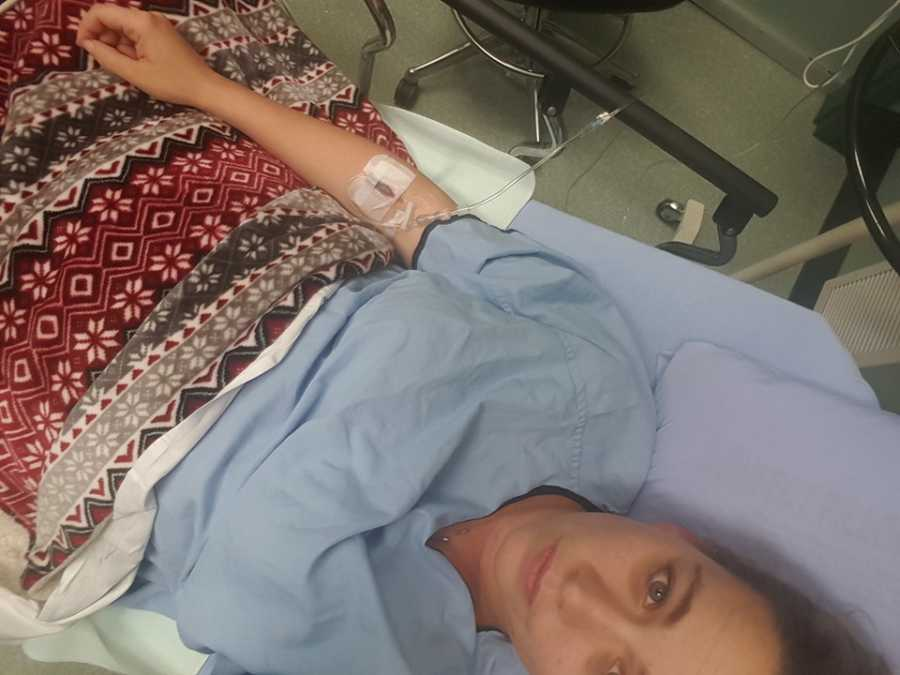
Years later, in her twenties, after losing her godmother, Kayleigh’s body betrayed her once again. What started as a fever turned into deep chest pain that wouldn’t go away. Doctors first called it the flu, but when her blood pressure plummeted and her breathing turned ragged, she was rushed to the hospital in Calgary. Tests revealed pneumonia pressing against her heart, which had swollen inside and out. She had both pericarditis and epicarditis — a double inflammation that should have killed her. The fever refused to break, and her body began to fail. Still, her mind stayed strangely sharp. She remembered every sound, every fluorescent hum, every glance exchanged between doctors who looked defeated.
The hospital became her battlefield. Friends arrived in full isolation gear, their eyes the only thing visible, their fear barely hidden. Nurses stayed past their shifts, explaining what was happening in careful detail, hoping she’d hold on. One night, her mother tried to comfort her through text, but Kayleigh could read the truth between the lines — her mother was terrified. It was the first time she’d seen her pretend not to be afraid and fail. That moment broke something open in Kayleigh. For the first time, she allowed herself to believe she might not make it.
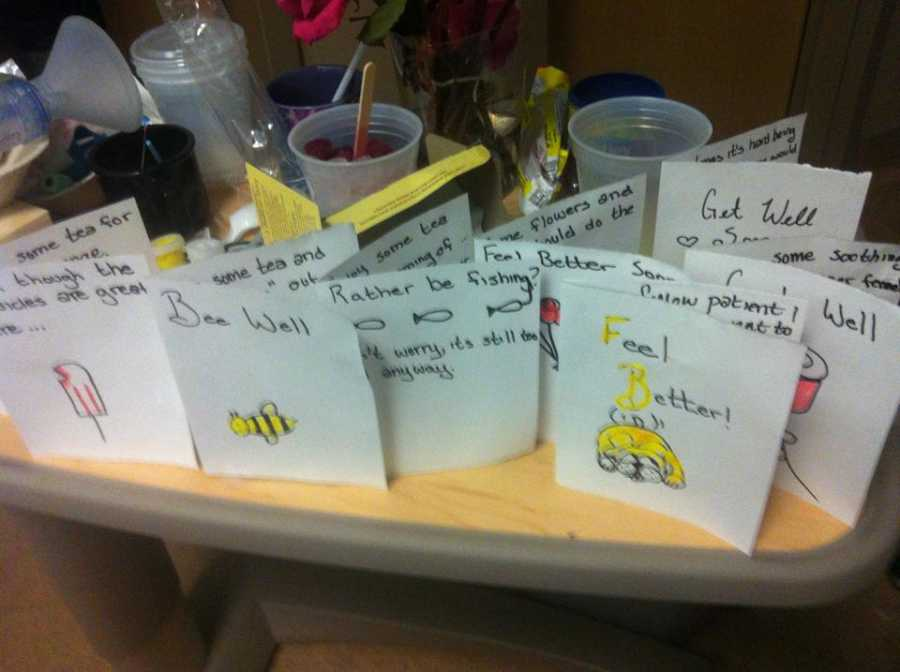
Then came the walk. Too weak to stand for long, she still dragged her IV pole through the hallway, trying to make sense of the chaos. The ward was lined with glass rooms, each holding a patient alone, pale, and motionless. By contrast, her room was full of color and small comforts, tea bags, Jell-O cups, her blanket, and clothes. She felt humbled. That realization sparked something inside her. She returned, picked up her pencil crayons, and began making cards for the other patients. Silly doodles of bees and fishing poles, taped tea bags, messages like “Bee Well.” They were small tokens but carried the kind of kindness that keeps a soul alive.
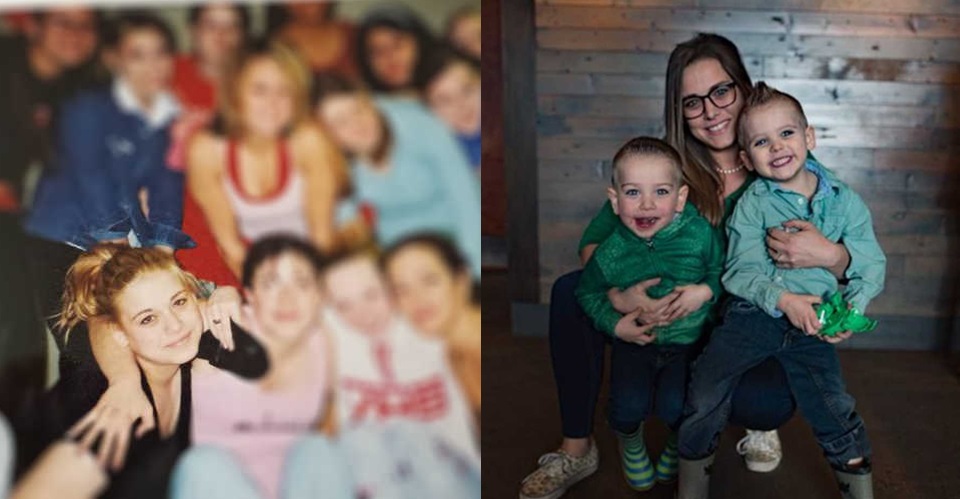
The next morning, her fever broke. Within days, she could keep fluids down. A few days later, she was walking unassisted. In just six days, she went from preparing for death to walking out of the hospital doors, breathing the cold air like it was the first time she had truly lived. That year, Kayleigh picked up a camera and refused to put it down. She turned her pain into art, photographing the world with a kind of clarity that only those who have stood at the edge can understand. Her work soon graced calendars and magazines, and less than a year later, she walked back into that same hospital, this time to give birth to her son.
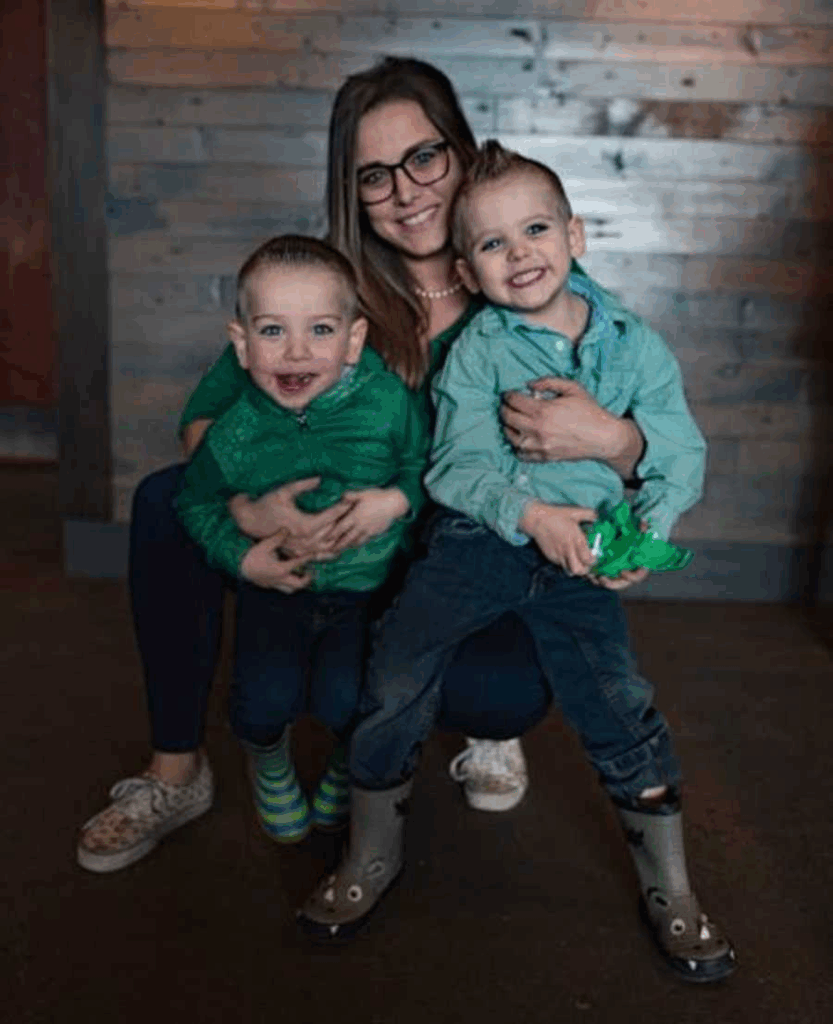
Now, as she waits for yet another surgery, facing a growth that may need to be removed, she carries her history like armor. Every scar, every hospital wristband, every night spent wondering if she’d make it to morning has become proof that she will not be broken. When people ask how she’s survived so much, her answer is simple: she knew that wasn’t how she was going out. Life has tried, again and again, to take her down, but she has made peace with her fight. Rest when tired, she believes, but never quit. Survival, for her, isn’t just breathing, it’s choosing to live, even when everything tells you not to.