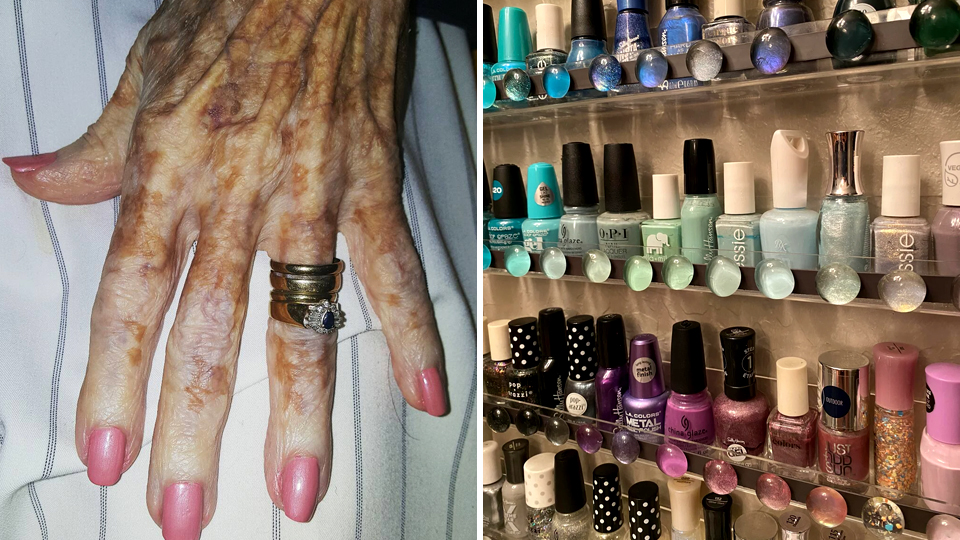
This morning at the care home started like any other. Coffee drifting through the hallways, soft chatter from residents waking up, and me with my little tray of nail polishes in every shade imaginable. I always look forward to moments like these. They feel small, but they often end up being the most meaningful part of my day.
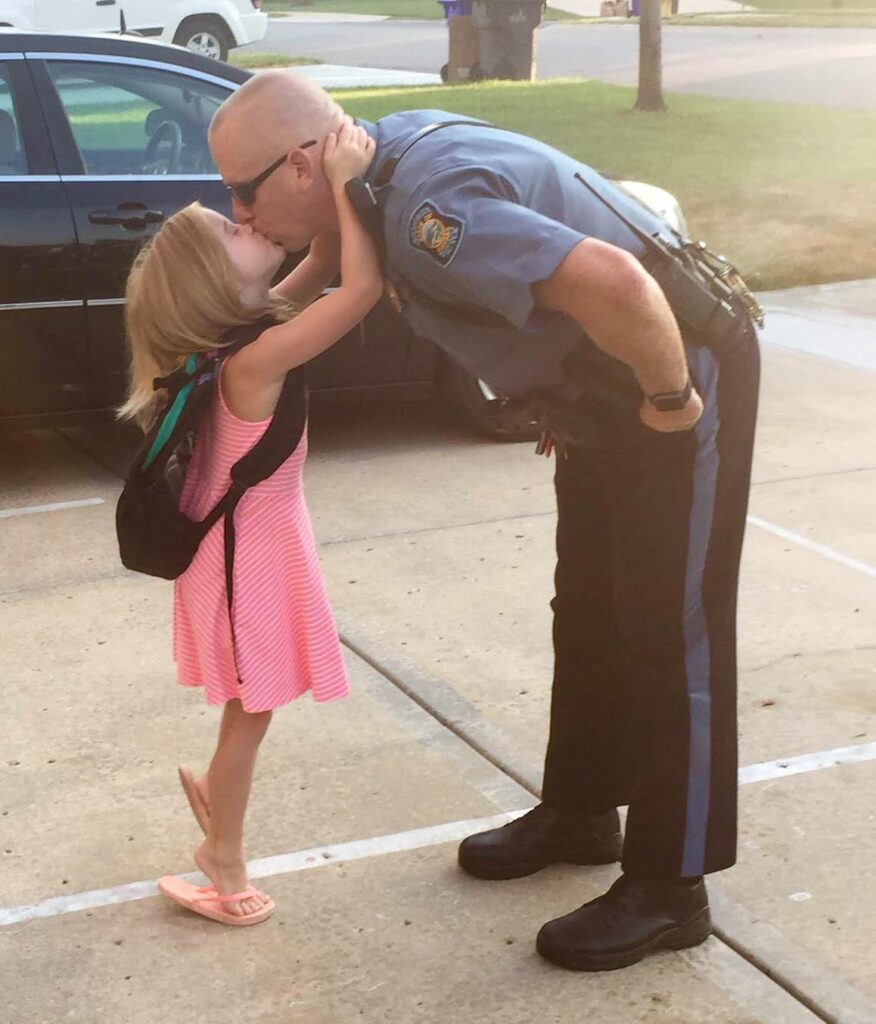
When I reached the room of our newest resident, she greeted me with a polite smile, the kind that seems practiced, almost apologetic. Her hands rested quietly in her lap. They were delicate, a little shaky, and covered with tiny freckles that looked like constellations of a life well lived.
“Alright,” I said cheerfully, spreading out the colorful bottles on the table beside her. “What are we feeling today? Cherry red? Ocean blue? Maybe something sparkly?”
She studied the lineup for a long moment before quietly saying, “Clear.”
I blinked. Clear was technically an option, but it always felt like a missed opportunity. “Clear?” I couldn’t help thinking. That’s no fun.
Out loud, I tried again. “Are you sure? We have plenty of pretty colors.”
She hesitated, then sighed in a way that felt heavy for such a simple choice. “My hands are ugly,” she murmured. “I don’t want to draw attention to them.”
There was no bitterness in her voice, just a kind of soft resignation. Like she had carried that belief for a long time.
I paused, holding a small pink bottle between my fingers. “Ugly?” I said gently, settling myself in the chair across from her. “I don’t see that at all.”
She looked down, embarrassed, as if waiting for me to agree with her. And in that moment, looking at her hands, I felt an ache in my chest. Not because of the way they looked, but because she could not see what I saw.
“May I tell you something?” I asked.
She nodded, almost cautiously.
“Your hands tell the story of your life,” I said softly. “They tell the story of love, of care, of adventure. These hands have touched and held things most people can only hope to experience one day. They have cooked meals, wiped tears, opened doors, held babies, planted gardens, hugged friends. That is not something to hide. That is something to honor.”
For a moment she did not respond. Her eyes shimmered in the sunlight coming through the window. She touched her thumb to her palm, studying the hills and valleys of her skin like she was seeing them differently for the first time.
“Well,” she whispered, a small smile tugging at her mouth, “maybe pink then.”
I opened the bottle before she could change her mind. As I painted each nail, slow and careful, she told me about her children, her late husband, the road trips she used to take just to see where the highway ended. She spoke about old friends, favorite recipes, silly mistakes, the places she dreamed of returning to. With every stroke of color, it felt like she was reclaiming some piece of herself.
When we finished, she held her hands up to the light. The pink shimmered softly, like a quiet celebration. “They do not look so bad,” she said, almost surprised.
“They look beautiful,” I replied. And I meant every word.
Later, as I cleaned up my tray, she kept glancing at her nails, smiling each time. Not because of the color, I think, but because she felt seen in a way she had not expected to today.
It reminded me of something I have learned many times in this job. Sometimes the parts of ourselves we are most insecure about are the very parts others find beauty in. Sometimes all it takes is the voice of someone else to help us see what has been there all along.
And today, pink polish did more than decorate her hands. It brought a little bit of her story back into the light.
Credit: Brandalyn Mae Porter