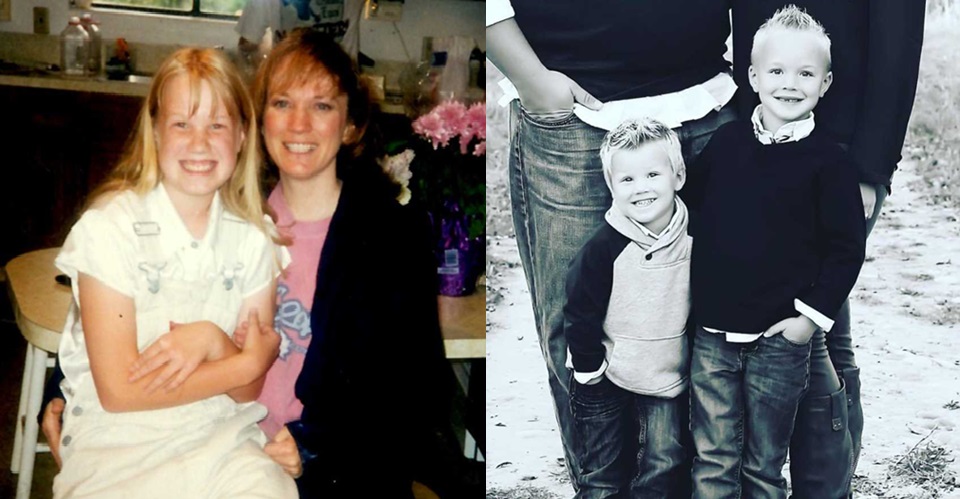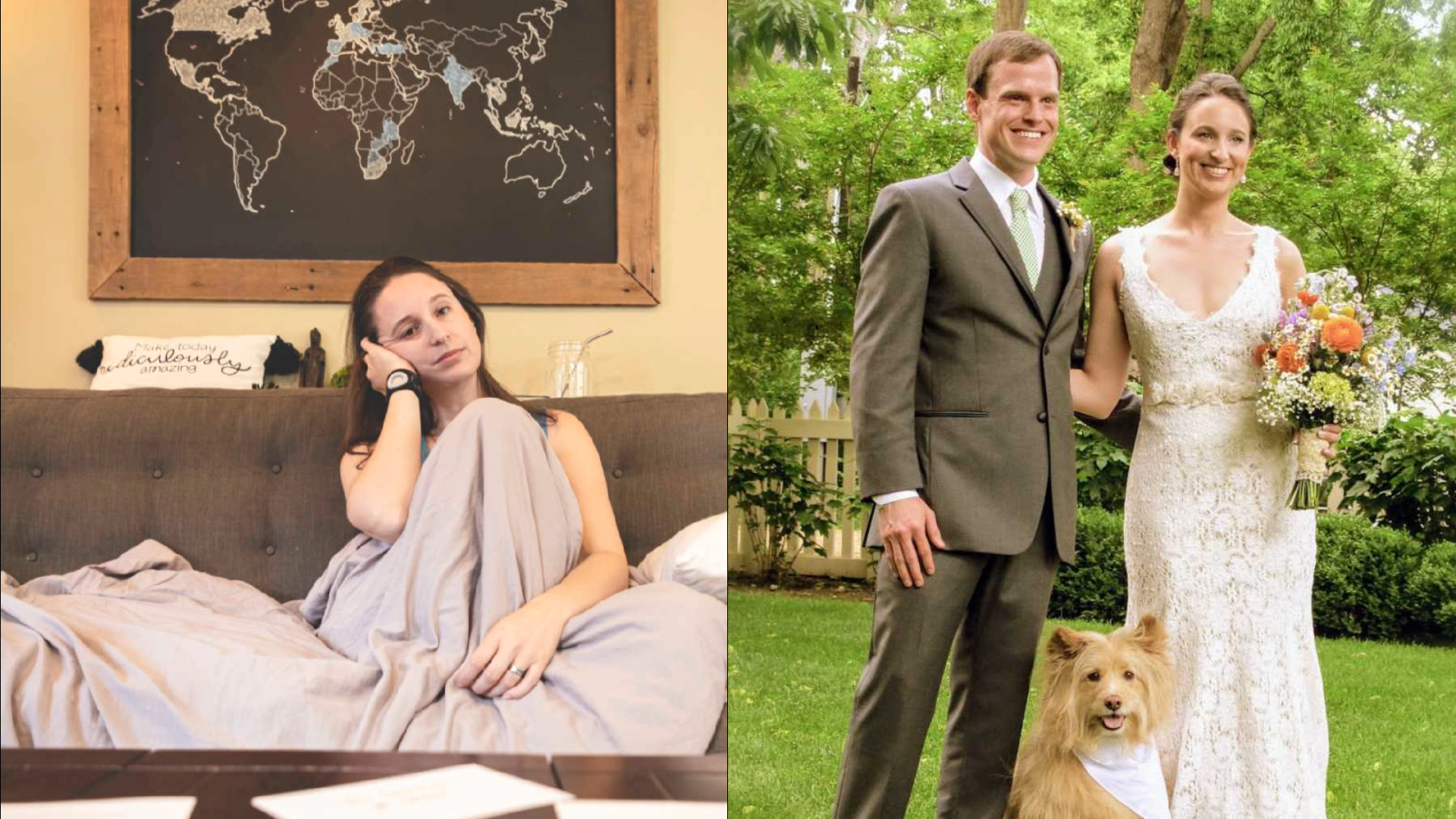
After decades of being dismissed, she was finally diagnosed with multiple rare chronic illnesses, validating her lifelong pain and resilience.
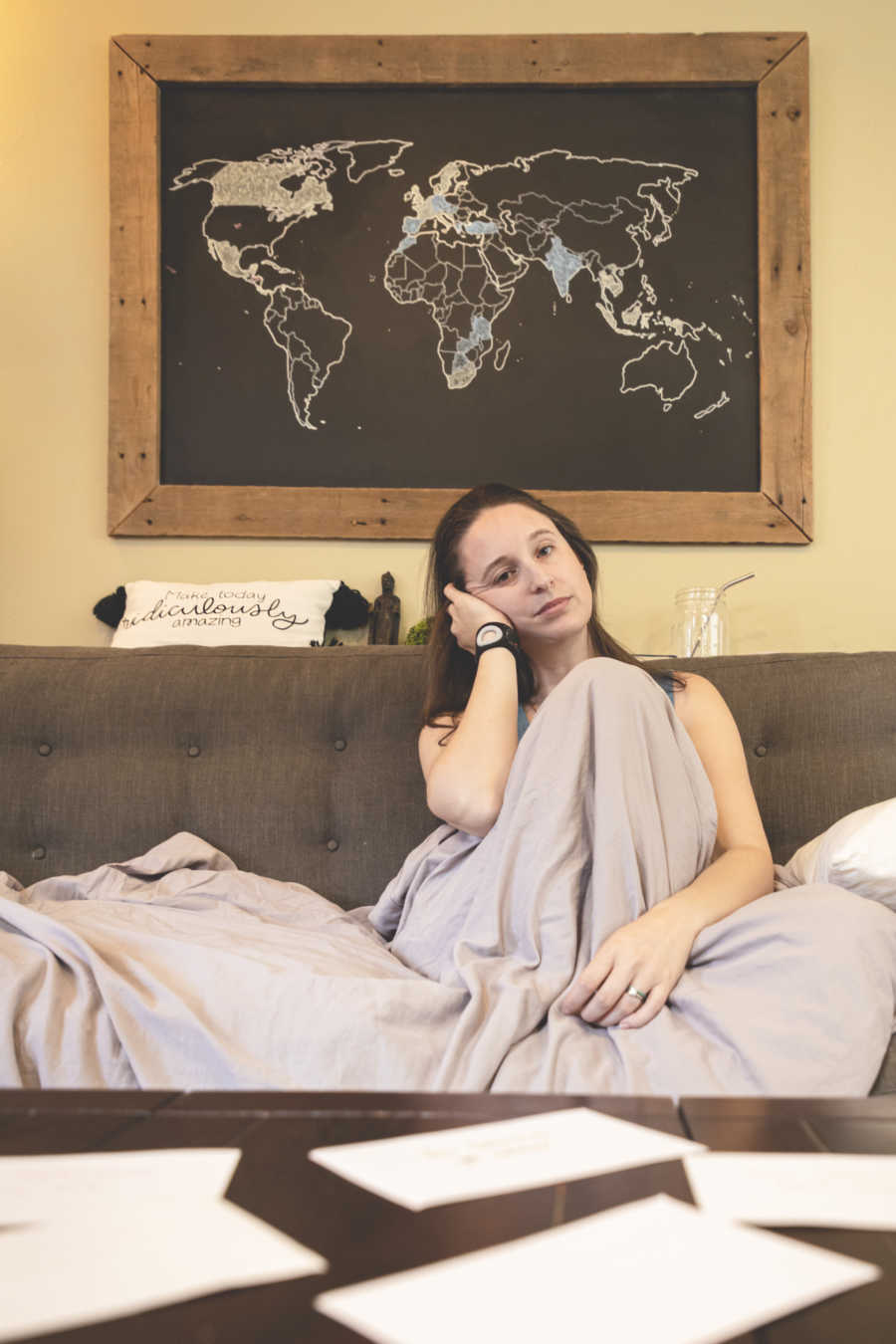
But just having answers isn’t everything. Within the year I was diagnosed, the rheumatologist who changed my life passed away. My case was transferred to one of her partners (who quite honestly should not be practicing medicine). I felt like I travelled right back to being 15 years old he didn’t believe me, told me it was all in my head, and wouldn’t treat me or give me referrals.
But at this point in my journey, I knew better. I knew I could fire him and find a new doctor. But not before I asked him to write his opinions in my chart. Pro tip: if a doctor won’t order a medical test or give a referral, ask them to write that into your medical records. You can say, ‘Please make a note you wouldn’t explore this option and/or recommended against trying this treatment.’ Most times they’ll reconsider.
One thing my health journey has taught me is the importance of believing in myself. What I feel in my body is REAL and I will not tolerate people telling me otherwise. I now view my team of doctors as a ‘health board of directors.’ Each serves a different role, and each is important. But if they don’t listen, believe me, or know about my conditions I fire them. Having answers AND a team of doctors who support me gave me a whole new outlook on my health. If you’re still searching… keep going. And advocate like hell.
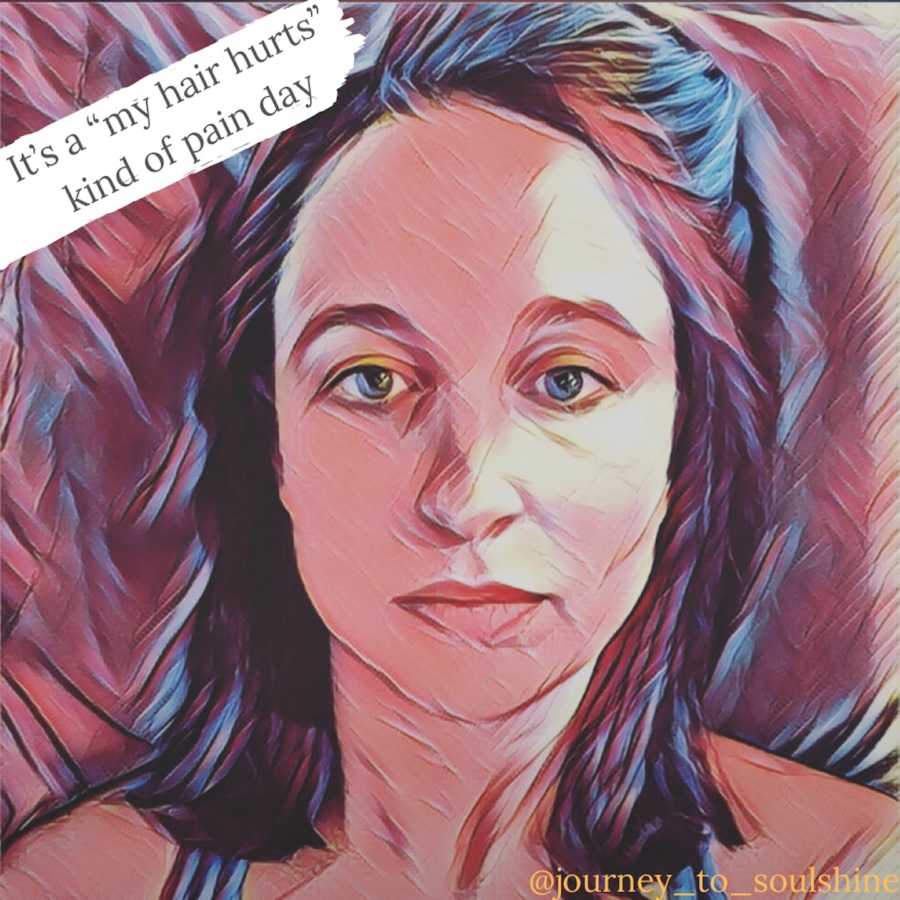
I have labels for all my weird symptoms: the different types of pain, fatigue, hypermobility, joint instability, subluxations, musculoskeletal pain, dizziness, tachycardia, low blood pressure, slow gut motility, shortness of breath, sensitivities to touch, taste, smell, sight, sound, and temperature.
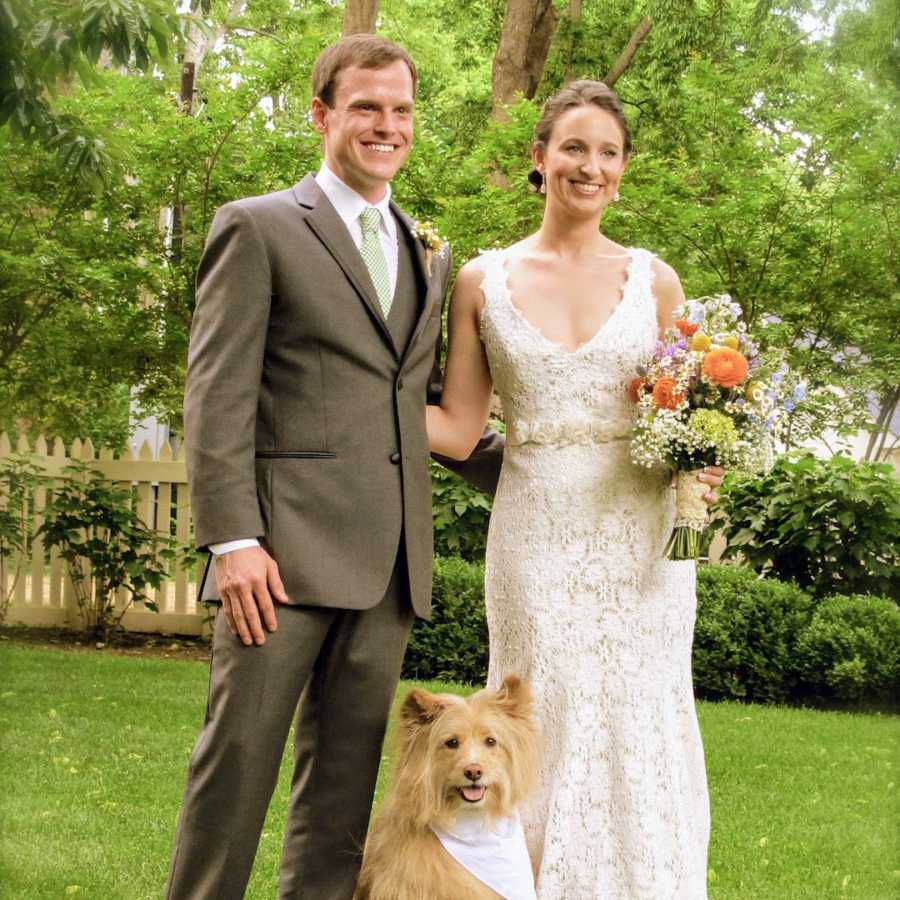
I found proper treatment I travelled to The Mayo Clinic’s Fibromyalgia Clinic to learn how to live with these illnesses. I now have a team of doctors composed of several specialists and therapists (physical, mental, occupational, and speech). I learned about biofeedback, diaphragmatic breathing, somatic experiencing, and other lifestyle changes that help me manage my symptoms.
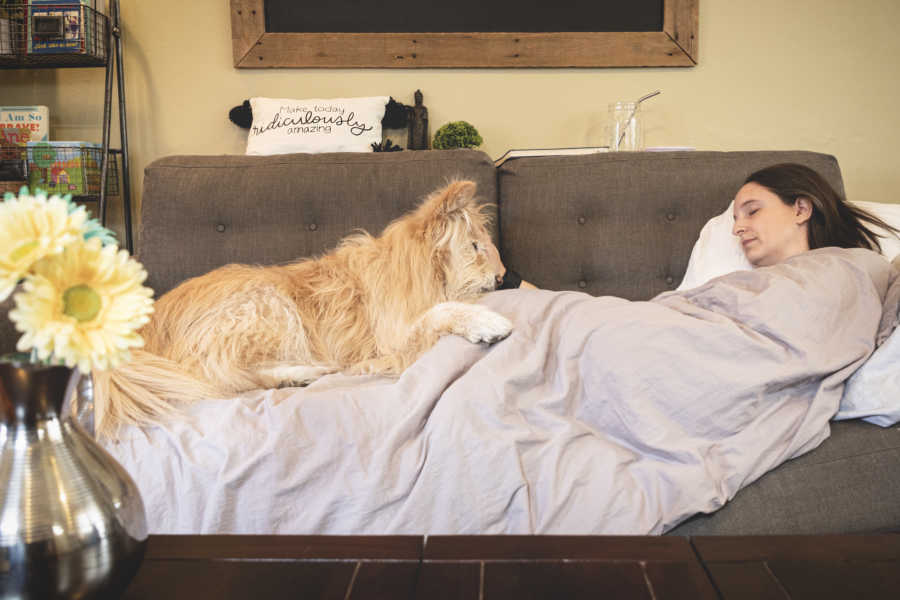
I can identify triggers (bad weather, activity, etc) and understand and communicate flare-ups. I can plan my time and know when I’ll need to rest more. I started asking for help. Trusting myself when I thought something was wrong. Realizing how resilient and STRONG I was.
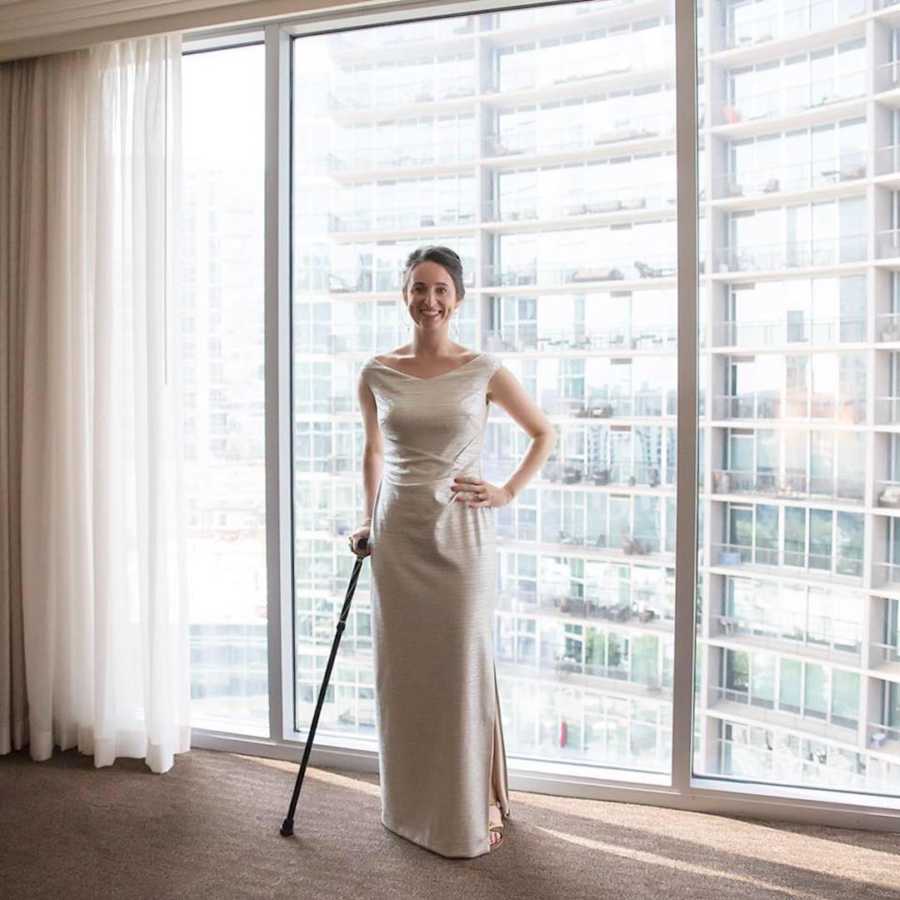
After years of pain and loss, she embraced her journey and joyfully welcomed her rainbow baby.
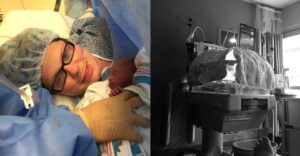
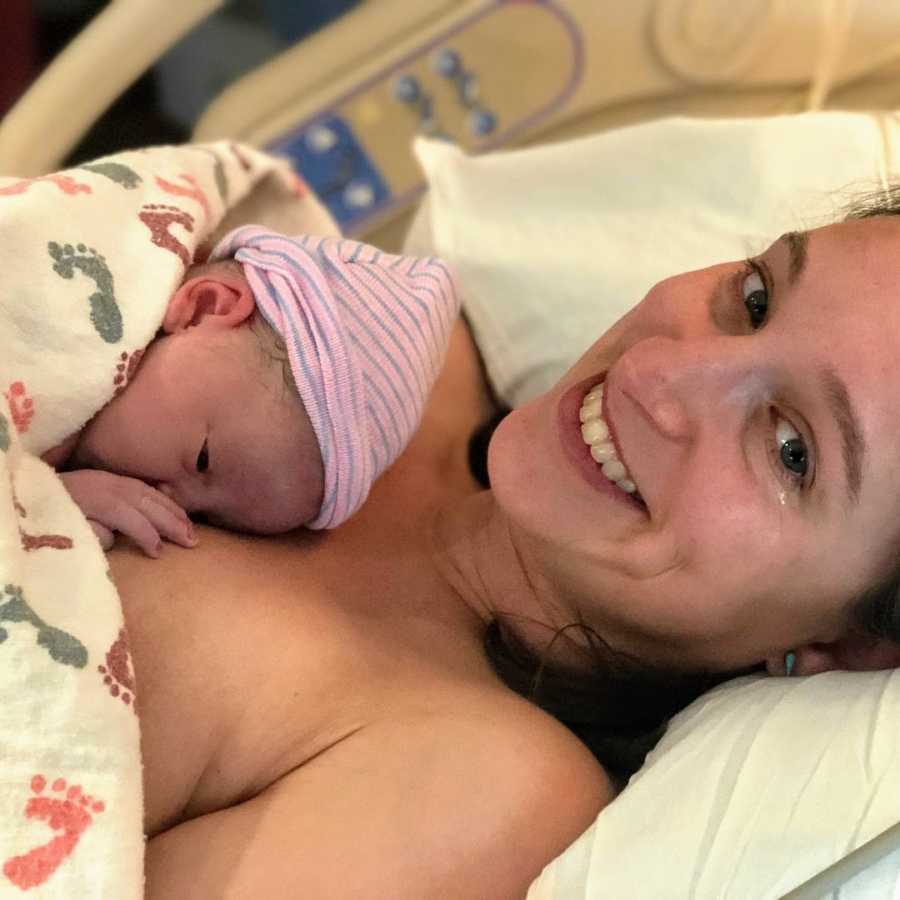
On July 3, 2018, we welcomed our baby girl, Liliana Rae, with no complications. She was perfect and I recovered well. I went on to exclusively breastfeed her for 15 months (my body did something right!), and she has grown into a strong, sassy, smart, and incredibly sweet 2.5-year-old.
As a chronically ill mom, I get these questions ALL THE TIME: How do you handle your chronic illness and being a mom?! You make it look possible… but can I really do it, too? What does it REALLY look like?? So, here are five things I do as a chronically ill mom:

1. Acknowledge expectations vs. reality: Be realistic with what you can do and ask for help. Early on, my husband and I identified activities like bathing, carrying, or exercising would technically be possible for me, but would have a huge impact on my body, so whenever possible, these are ‘dada jobs.’
2. Never make your health their fault: The language we use is SUPER important. My disability is NOT Lily’s fault, and I don’t ever want her to feel responsible. ‘Mama’s body needs to rest,’ and not ‘You’re too heavy, you don’t want to hurt mama, right?’ Nope nope nope!
3. Always give them another option: Just because my husband and I decided ‘carrying Lily’ is a ‘dada job,’ doesn’t mean she doesn’t ask me all the time. Instead of just saying no, I always give her options: ‘Have you asked dada?’ ‘What if we race to the bench?’ ‘Can you hold my hand instead?’
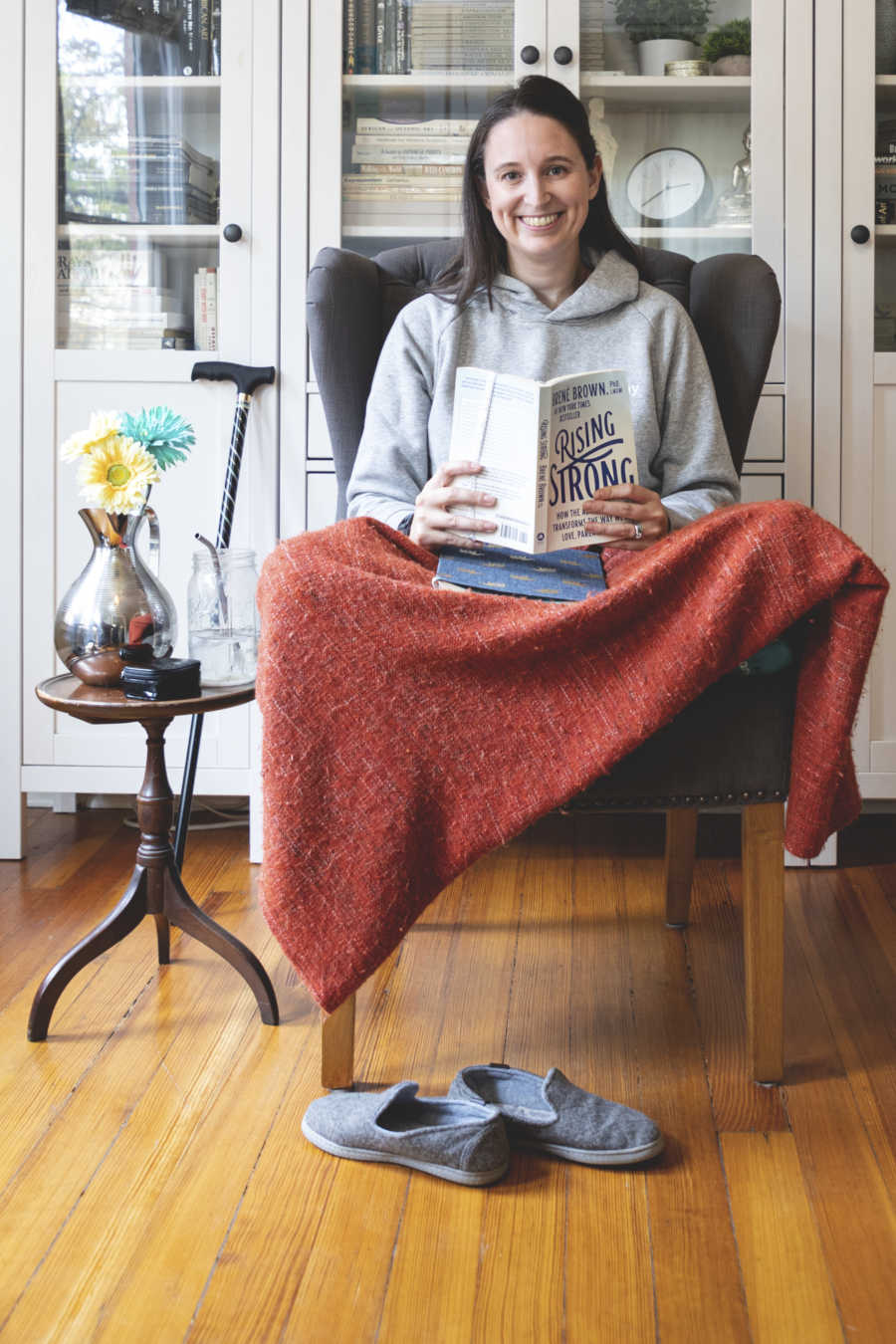
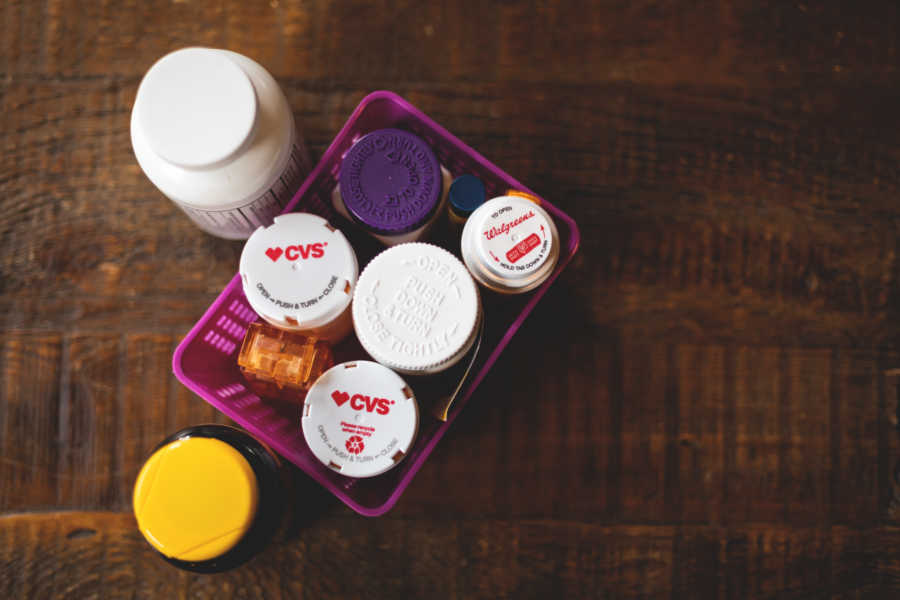
4. Include them in your treatment plan: Lily helps me with my cane (Candy the cane) ‘Mama, you need Candy? I get her for you.’ She helps me count my medicine, does my physical therapy exercises with me, and tucks me in, and gives me hugs and kisses when I need to rest. She knows mama’s body needs more rest, and that it’s okay.
5. Hype up doctor visits: Some of us with a genetic condition can pass it down to our kids. Lily has a 50% chance of having EDS. I am very conscious of the negative relationship I’ve had with doctors, and I want to do all I can to change this for her. So I always talk about the doctor’s office as the COOLEST THING EVER. And she actually gets jealous when I have an appointment, and she can’t come.
She turned her health struggles into a coaching career, teaching others and her daughter to embrace life, advocate for themselves, and let their souls shine.