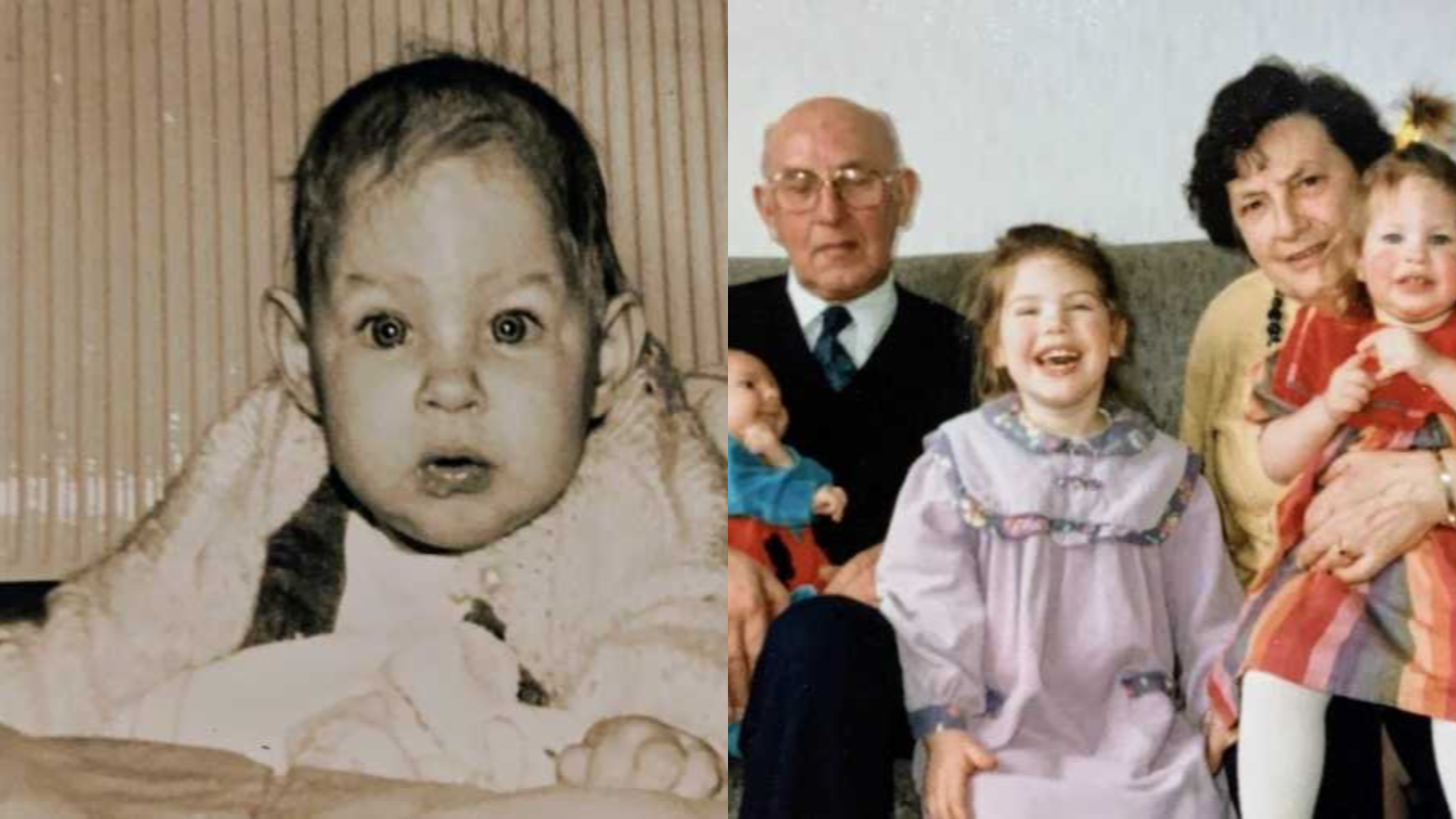
We should see people for who they are not judge them by appearance and abilities because everyone deserves respect and love.
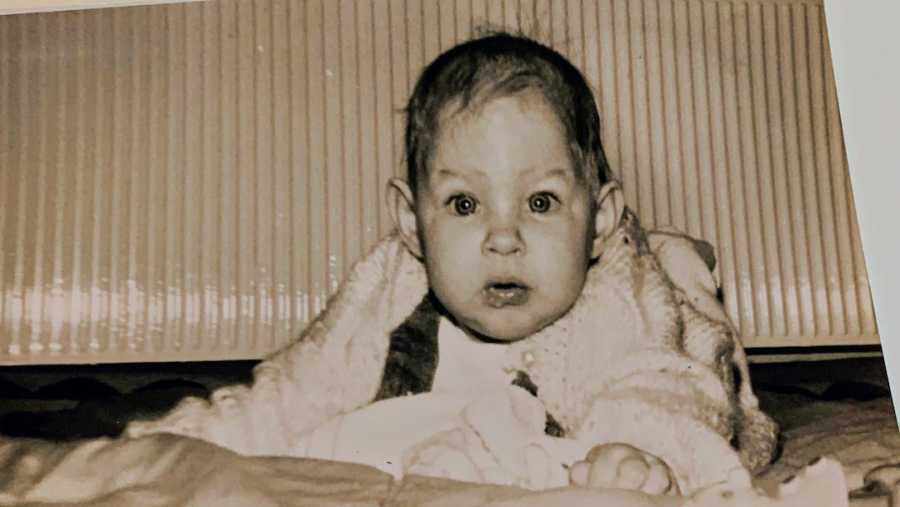
I have lived my whole life adapting to profound hearing loss, facing daily challenges and prejudice and while I am proud of my resilience, it has often been exhausting and shaped who I am today.
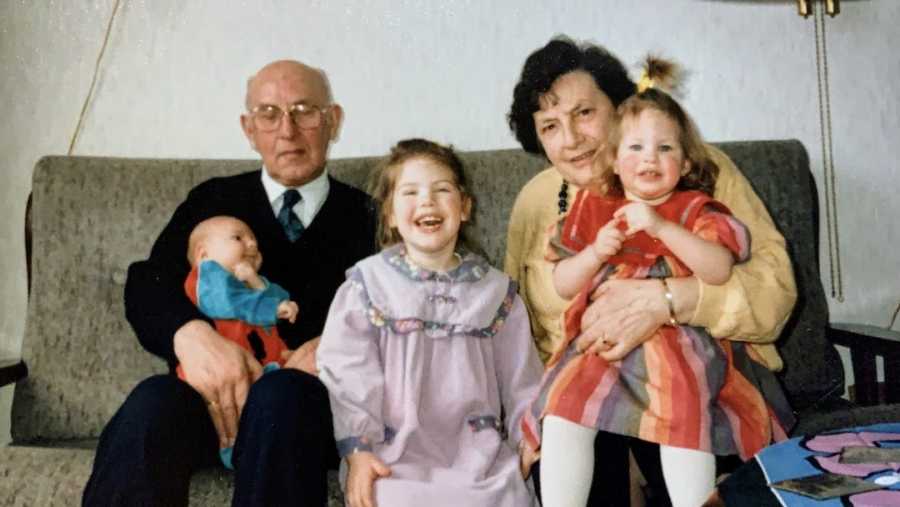
As soon as my parents found out I was dealing with hearing loss, they looked for every solution and every option for me to support my development growing up. At age two, I had already started speech therapy, which was considered strange and so not commonly done 27 years ago.
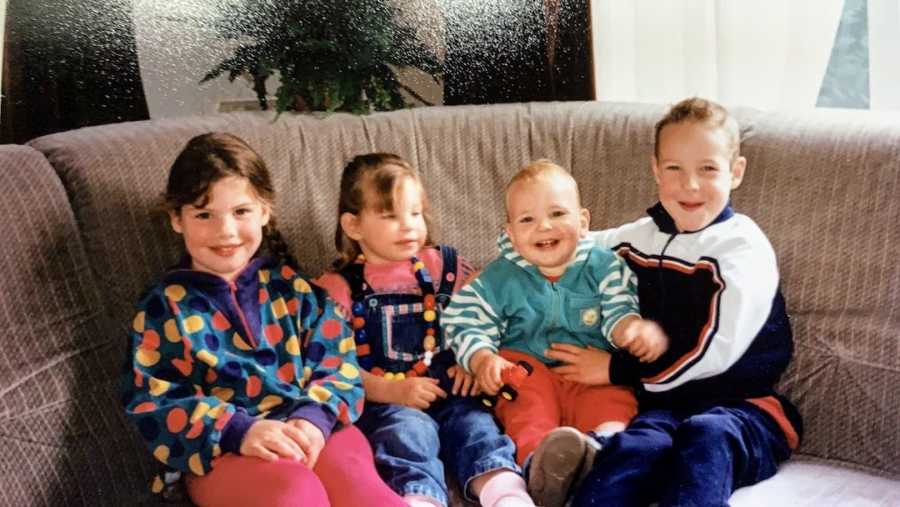
My parents figured it would be best, since they thought it was important to stimulate my language development. For this, I am grateful. I got my first hearing aid at three and a half years old, which is late, concerning today’s standard is as soon as possible after you’re born. The moment my first hearing aid was plugged in, my reaction to my mother was, ‘Momma, can you hear me now?!’ As a small kid, I didn’t understand all the fuss around my hearing and thinking I needed a hearing aid so my mother could finally hear me.
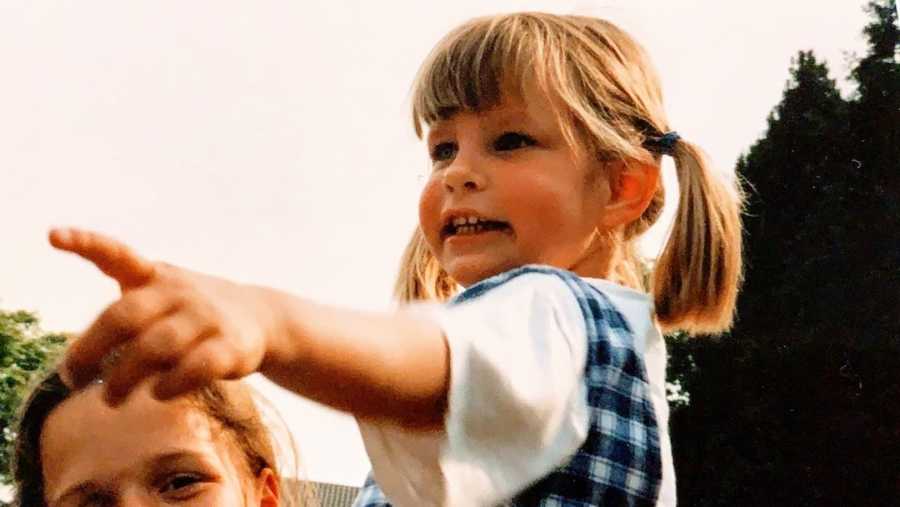
As a toddler, my parents sent me to daycare, while my siblings didn’t go, to stimulate my social development. The mainstream daycare didn’t work out because it was too much stimulus for me as a child with hearing loss, and not enough accompaniment with me being hard of hearing. I soon went to medical daycare.
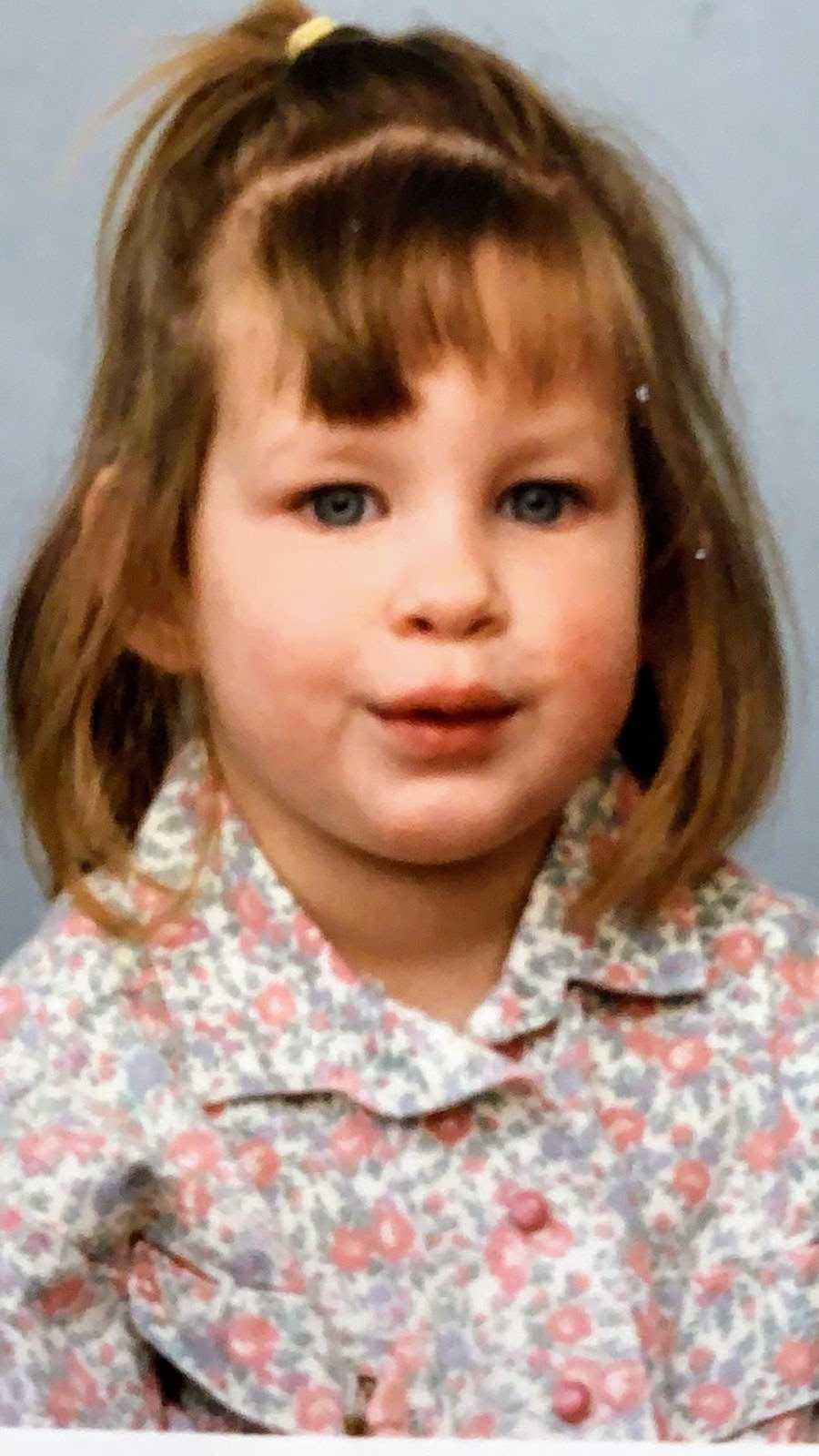
Growing up, at first I went to school for deaf kids and those with hearing loss at age four, in a city far away from my hometown. A private taxi picked me up from home and brought me to school every morning. Imagine a four-year-old kid in a black taxi with an elderly man being my driver. He was kind.
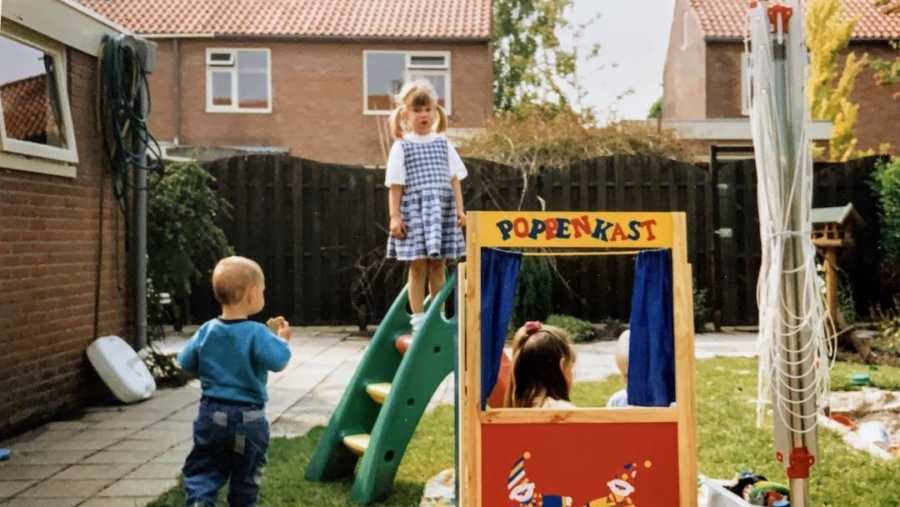
Later, it was a woman driver whom, and I vividly remember, taught me how to pronounce the ‘R’ while using the car mirror and me sitting in the back. At age eight, the Dutch government changed policies and those who could do without special education should go to mainstream education. It was decided I was ready to enrol in a regular primary school back in my hometown. After having classmates with the same hearing issues as me, I went back to being the only child in class at this primary school with profound hearing loss. Years later, I understood it was quite the excitement for the other kids who said things like, ‘We get a deaf kid in our class! ‘
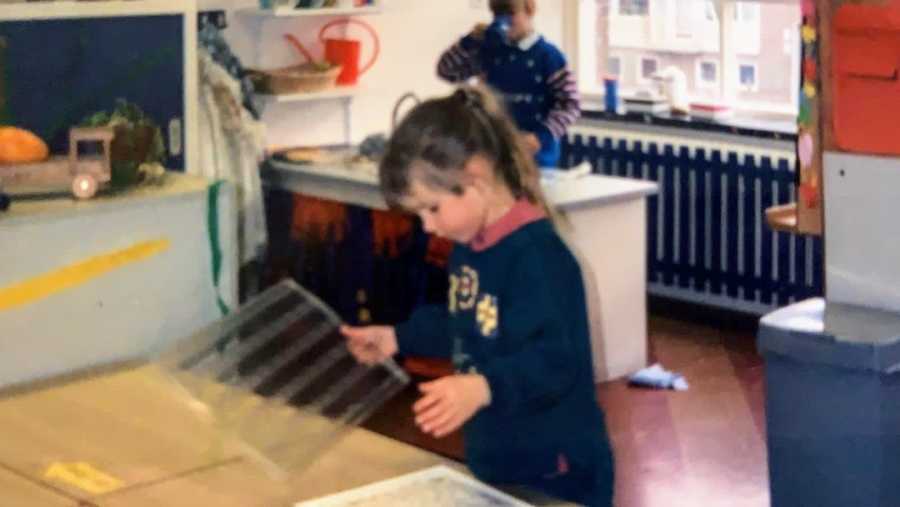
During my years in primary school and high school, I had an ambulatory attendant who would monitor my development and my deaf needs within mainstream education. Teachers would use an amplifying microphone that connected with my hearing aids. They used to be very large and bulky tools which set me apart from the other kids.
Technology got better, smarter, and more sophisticated over the years. Sometimes, a teacher would send out a classmate out of the classroom due to bad behaviour and would yell at the kid outside the classroom—and sometimes it happened they would forget to turn off the microphone!
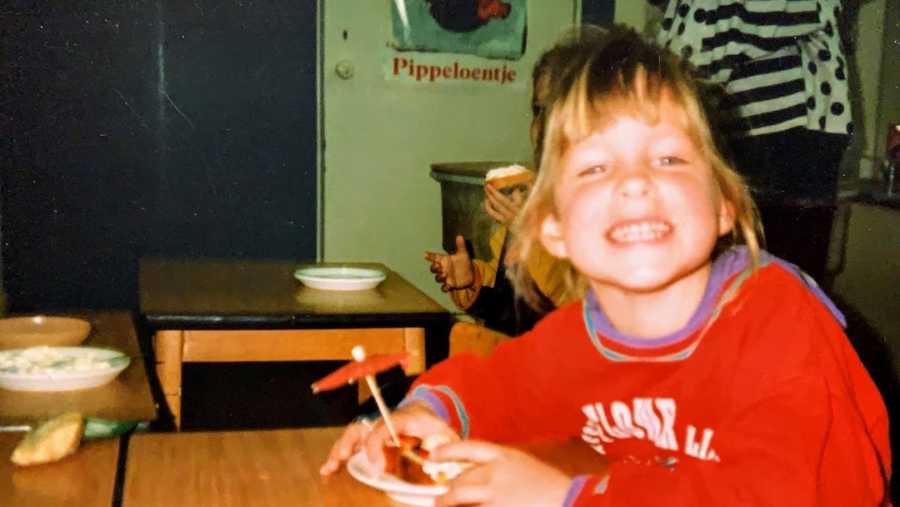
Even with several hearing loss, I stayed happy and joined activities like other kids, but as I got older, teasing and bullying made me realize being different could be hard and uncomfortable.
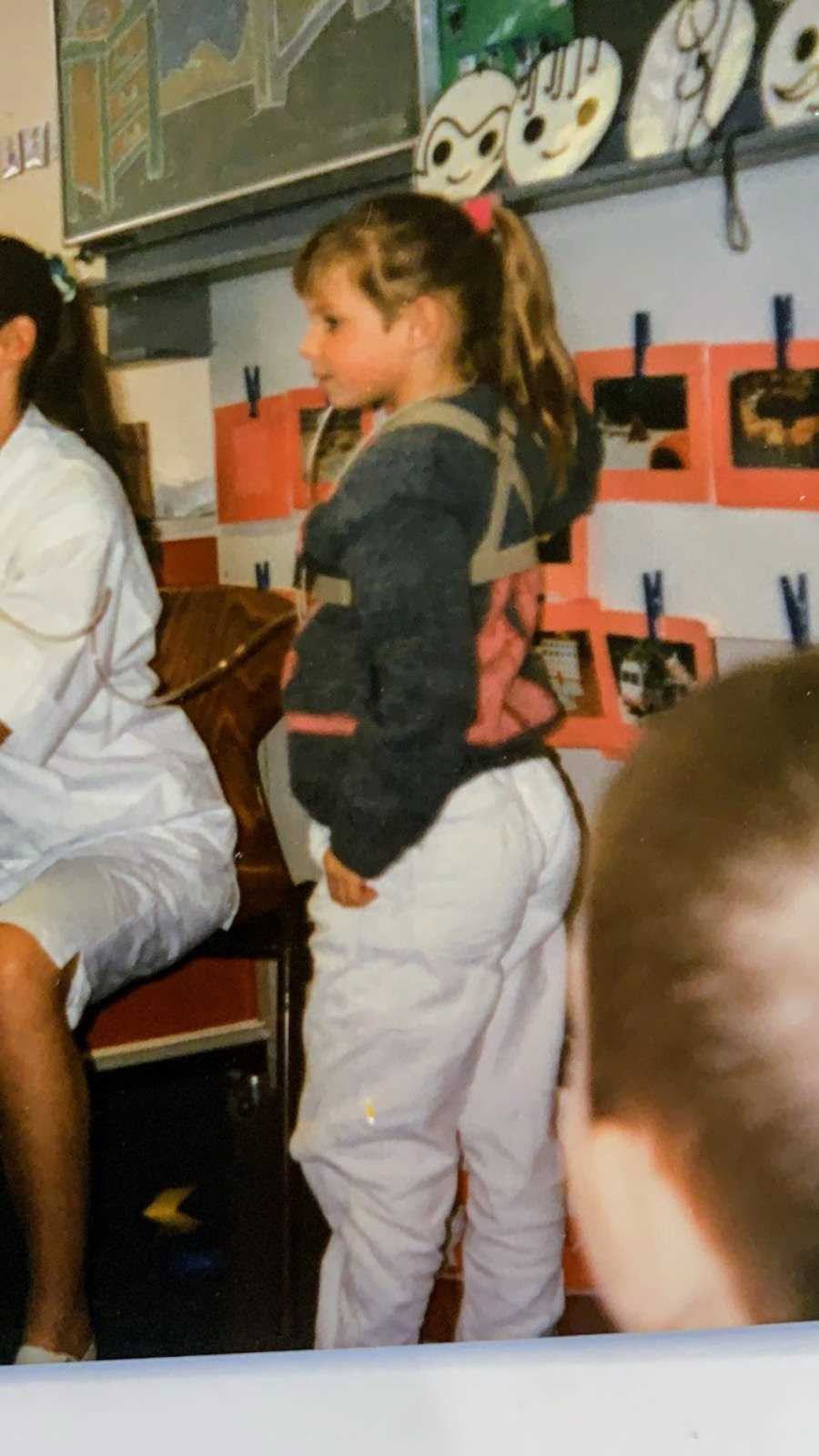
I am grateful bullying wasn’t something that had been going on for long and only was present in particular moments. I was able to stand up for myself and make sure to let those bullies know what they were doing was plain stupid and cruel.
I just really hated that I was seen as someone who was different, and I often tried to hide I had hearing loss at all. All throughout my childhood and high school years, I wanted to be like any normal kid. I knew how to fit in, and remarkably, I was able to do so, but for my self-acceptance, it wasn’t a healthy coping mechanism.
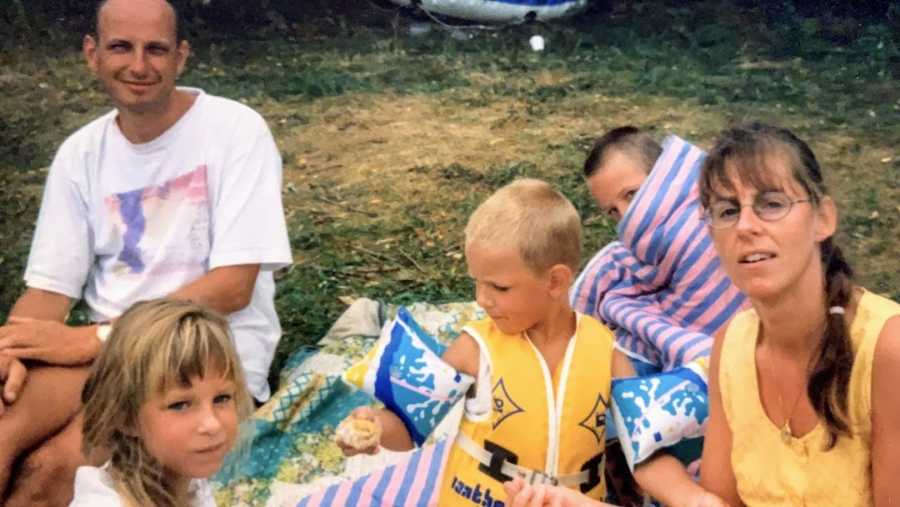
In hindsight, I was not completely myself and often disregarded my own (deaf) needs. As I got older, I realized more and more how much energy it took out of me to function as a deaf person in the hearing world. I had been burned out for years without noticing it and later found it hard to acknowledge. I was too busy fitting in the hearing world, I forgot there was a whole world out there for what I needed: the deaf world.
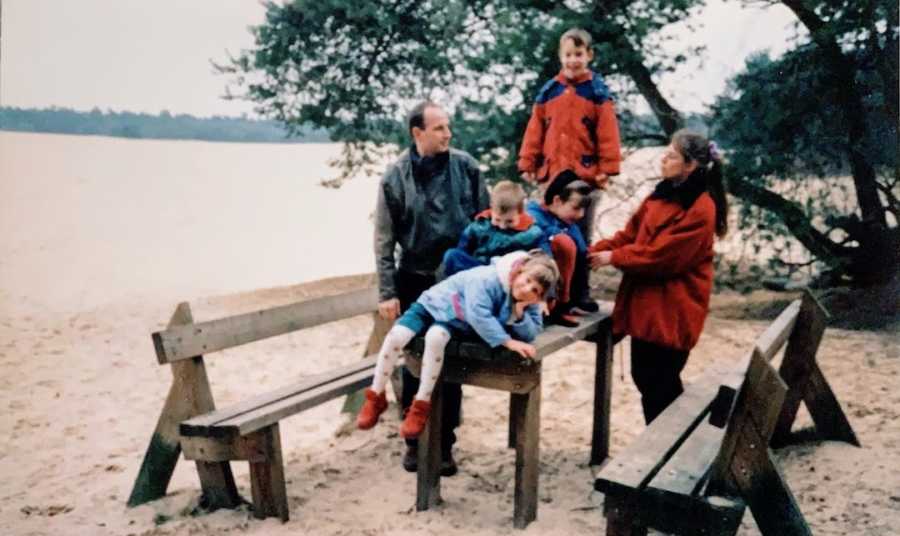
Despite being deaf, I earned my social work degree and build a 15-year career in customer service, using all my senses to communicate and succeed, even though its exhausting and takes extra efforts everyday.