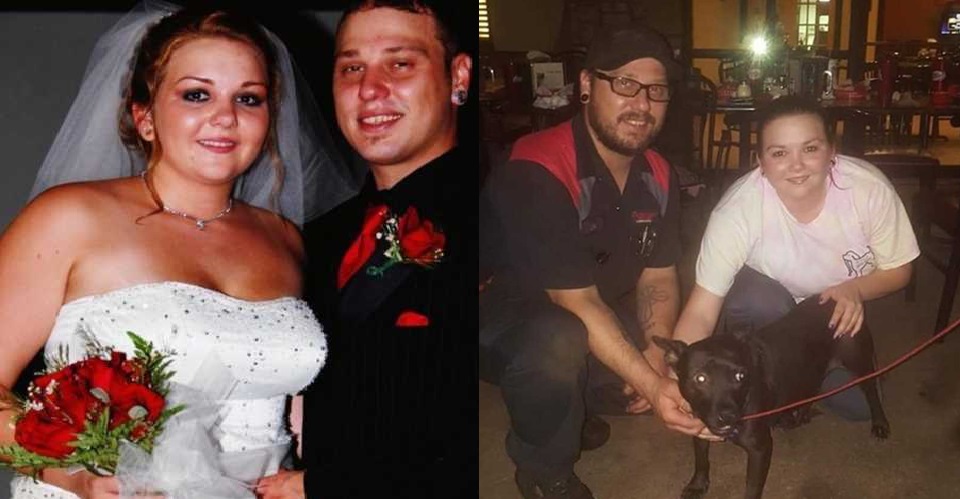
She’d always known this: she wanted kids. Not a specific quantity per se, but five—the result of three boys and two girls. This was a goal born of family history, of the narrative passed down through generations that every fourth conception would lead to twins. This five felt right to her, felt meant to be. This number is what she’d held on to even when she started dating the man with whom she’d eventually marry, knowing full well that maybe he’d found her a little nutty for a family of that size. Alongside this goal existed a timeline: married by age 22 and having a child by age 25. By the time 2010 rolled around, life was on target.
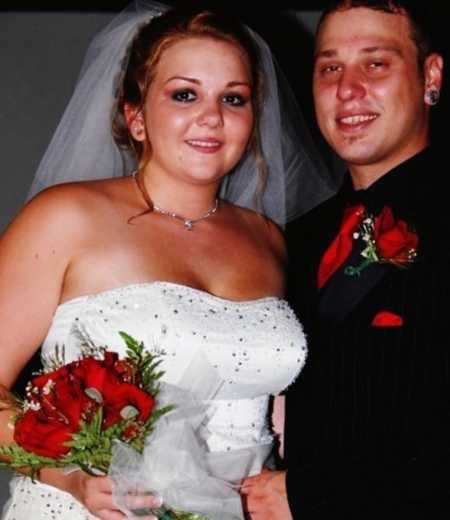
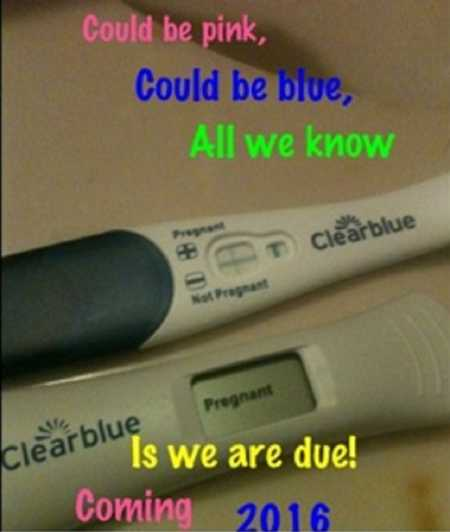
She married her amazing husband on August 13, 2010, with hopes for all of the things to come. In 2014, they knew it was time to start trying for a baby. Months went by, and all was quiet. Six of them. No sign of a baby. Advice came from all sides—all this trying and thinking about it, why don’t you just chill, and it’ll happen? But in August of 2015, she realized she was about a week and a half late. It wasn’t uncommon; her periods had never been all that regular. Still, they figured it was high time for a test. The first one didn’t really show anything. They decided to do another early on a Friday morning. All of it changed. “The symbols of all things to come were there. They were going to have a baby. They had waited all these years for this—one word to be theirs: ‘They.’” They did five more tests to ensure it was true.
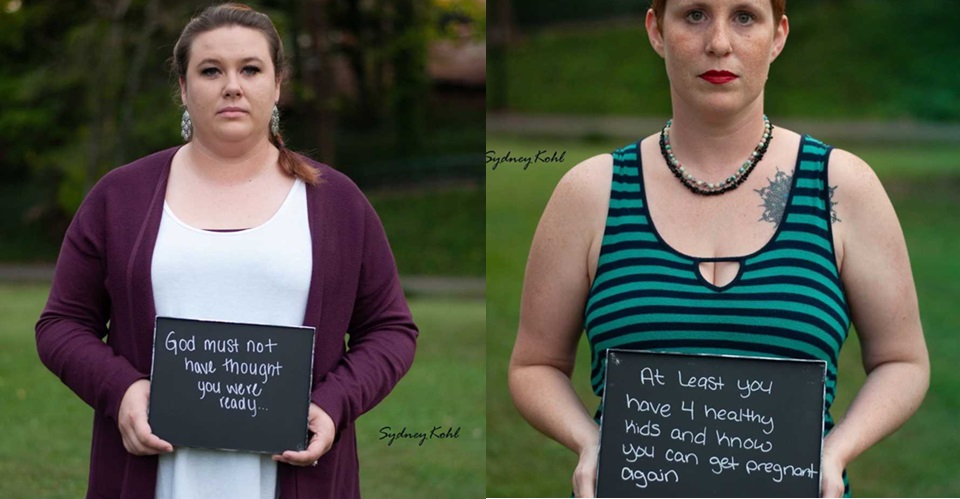
A doctor’s appointment revealed what it was through a blood test, but she held on to hope, and it turned out fragile. The very next day, she heard that the levels of pregnancy hormones had dropped significantly. She had just had a chemical pregnancy, which meant she had fertilized but could not develop normally. Her body had abandoned her before she had the chance to hold on.
Time passed, even if the heart seemed to be stuck. In 2016, she met another woman who also carried a rainbow baby, a sign of hope after experiencing a miscarriage. They both shared stories, prayers, and a hug of understanding. But another year passed, and the process of conception grew more complicated each month. Cycles lengthened from three to five months, and the rollercoaster of emotions further swung wildly, while the search for any kind of solution also seemed elusive. The doctors were perplexed.
Eventually, she was recommended to see a fertility specialist. The news came with a name she never expected, but one she would never forget. That name was actually PCOS, short for Polycystic Ovary Syndrome. PCOS would make pregnancy much more difficult for her to achieve. It was not something that could be cured; only managed. The grief that came alongside this reality was profound and isolating. Here was a thing that her body was supposed to do, and she couldn’t do it.
Options came flooding in: adoption, surrogacy, IVF—and none relieved the pain. Then, tired from the anguish and discomfort, they turned to birth control. With the choice came sadness, followed by anger, and ultimately a strange calmness that settled in. A new realization dawned that happiness did not necessarily have to resemble what she had envisioned for so long. The “cool aunt” role began to feel adequate, loving differently now.

There, with her, was her husband, who reminded her, in all this, that mothering is not necessarily biological. Together, they took care of animals that relied on them entirely for their needs and needs alone. There, in her home, too, full of fur, feathers, and second chances, her acceptance of this reality grew: she would not have to become a mother to lead a full life. But today, her work goes toward advocacy, service, and change, including helping the voiceless animals. October is a special month for her as it remembers the loss of pregnancies as well as Pit Bull awareness. Her experience underscores that there is no template for achieving happiness. Regardless of whether one chooses to be a mother, a victim of infertility, or simply a woman who chooses not to have children, it’s a personal decision. And every one of them is whole.