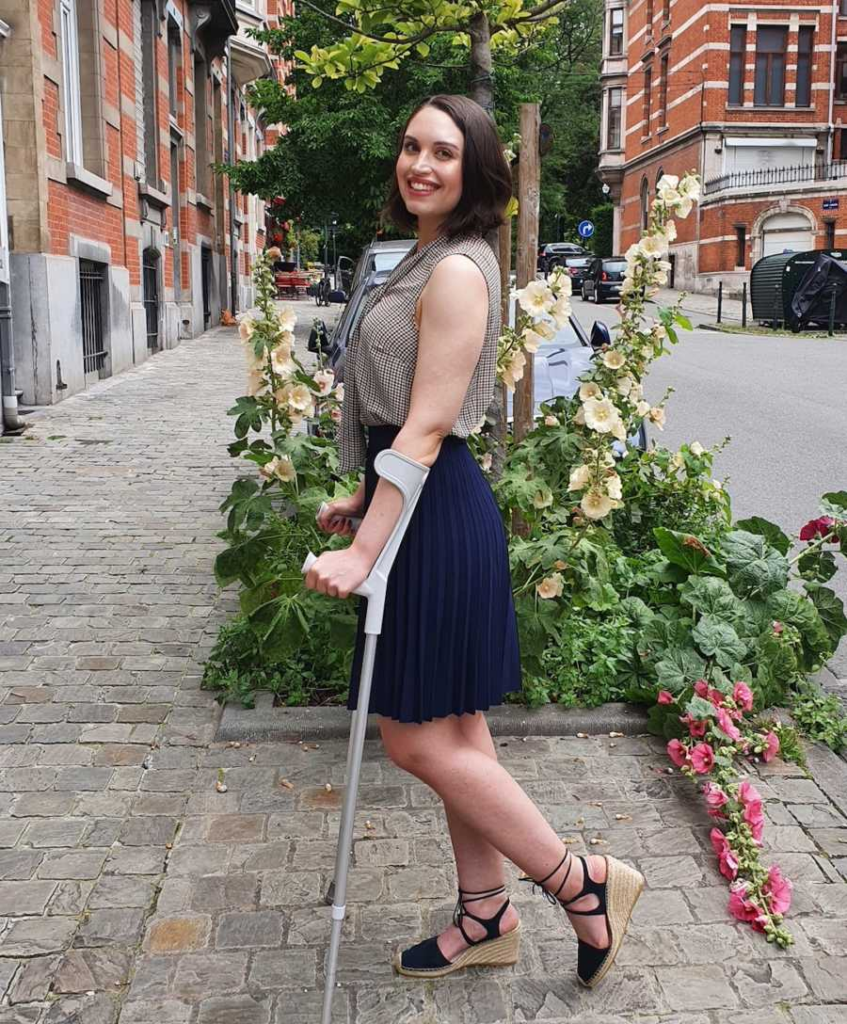
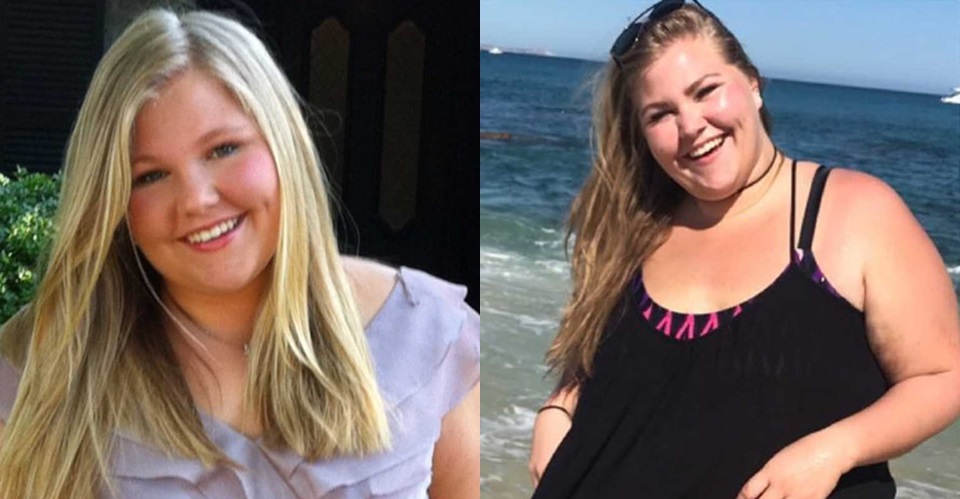
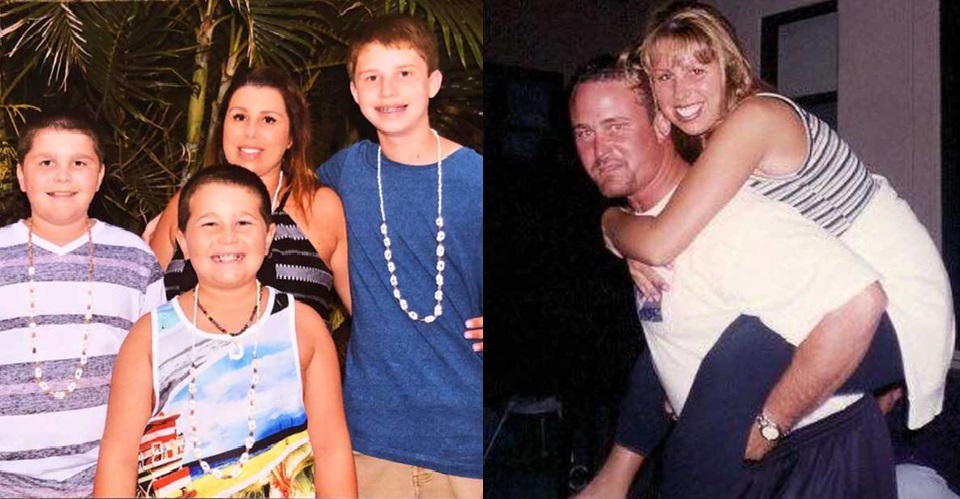
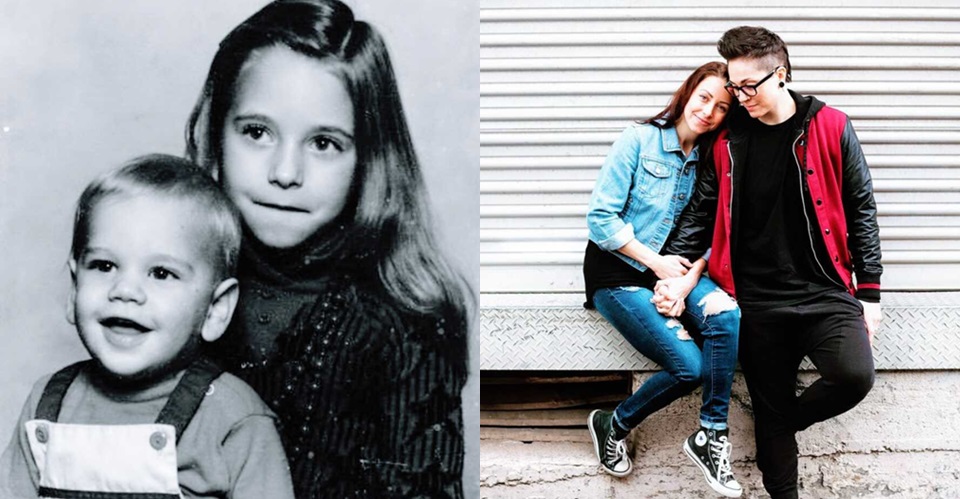
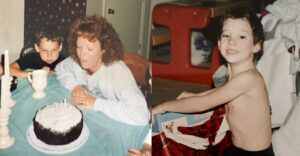
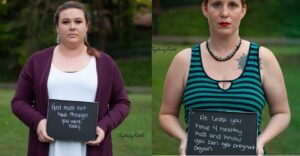
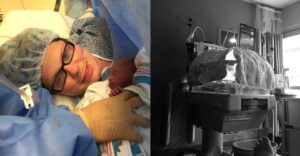
Growing up, she always thought she was strong. Her teachers put her down. Friends drifted away. Life seemed to test her at every turn. She believed that enduring all this hardship would make her tougher, that she could handle anything that came her way. She thought she understood strength until her body proved her wrong.
For years, she experienced symptoms that didn’t make sense. She was dizzy, exhausted, and sometimes she would faint without warning. She pushed through, believing it was just stress, fatigue, or maybe she was being dramatic. Doctors would sometimes dismiss her concerns or tell her it was nothing serious. She kept going, trying to maintain her life, her work, and her relationships.
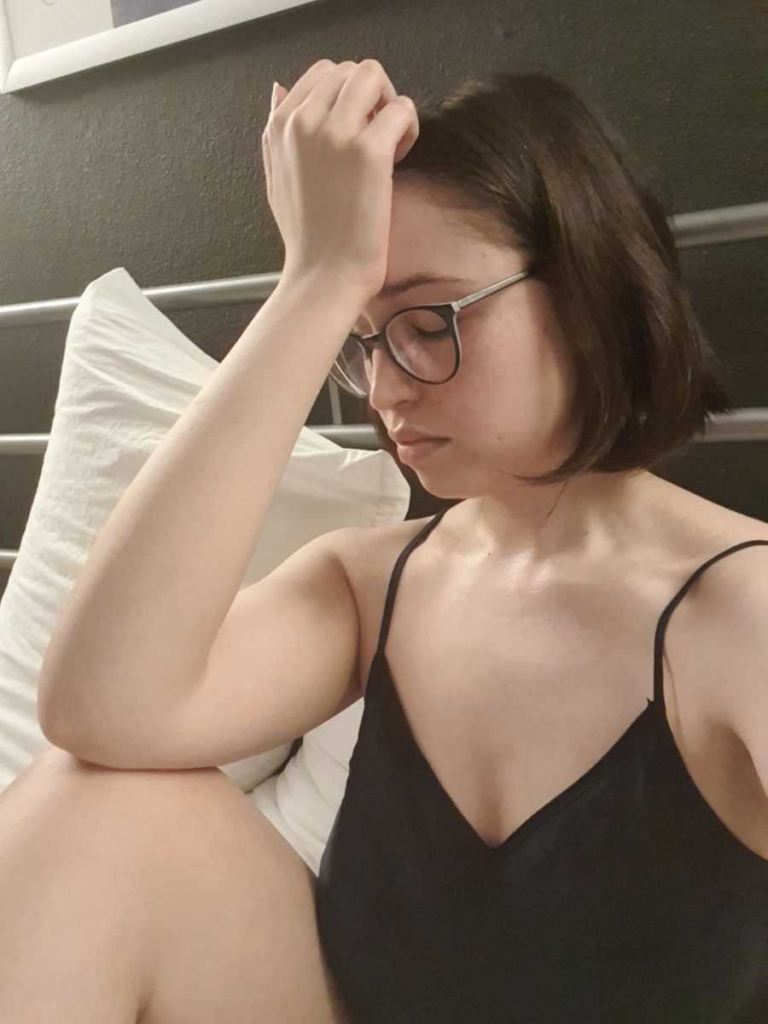
Eventually, after countless appointments, tests, and moments of uncertainty, she received a diagnosis: hypermobile spectrum disorder (HSD) and orthostatic hypotension. She finally had a name for what she was feeling, but the reality was overwhelming. These chronic conditions explained why her body didn’t cooperate the way she expected. It explained the dizziness, the fainting, and the exhaustion. But it also meant she had to learn a new way of living, a way that required patience, understanding, and self-care.
Receiving the diagnosis was both a relief and a shock. She felt relieved because she finally knew what was happening to her. She could stop questioning herself or blaming her body for not being “strong enough.” At the same time, she felt shocked because she realized her life would never be the same. Chronic illness is not just a physical challenge; it affects every part of your life, your work, relationships, and even how you see yourself.
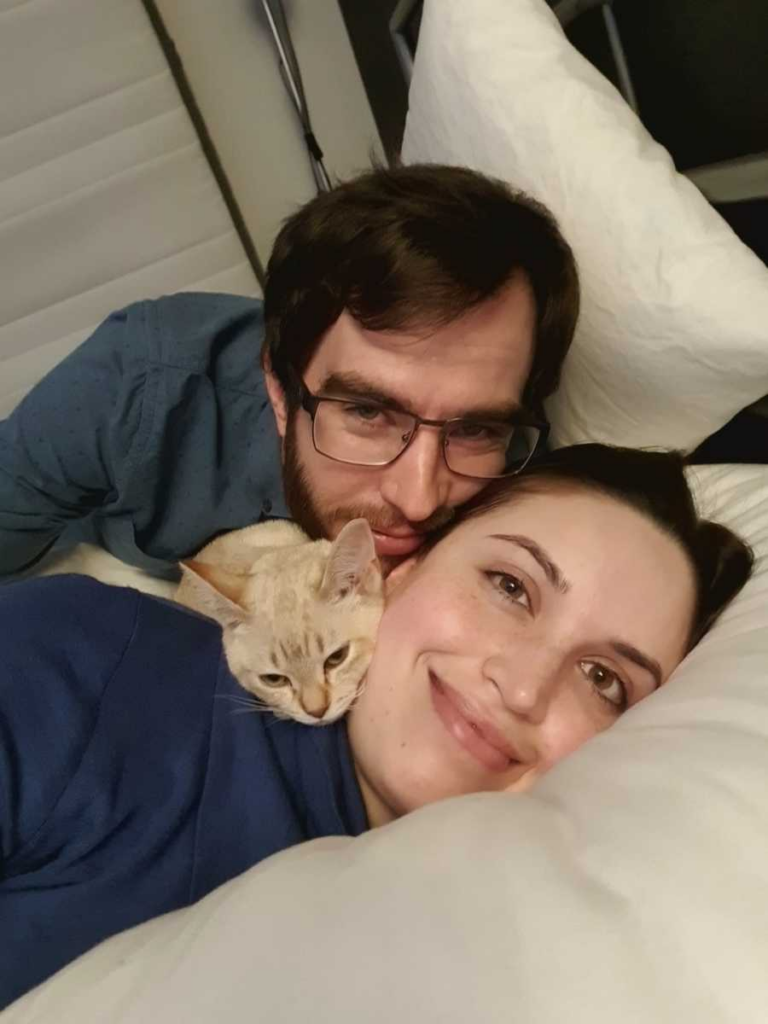
Through this journey, she learned the importance of taking care of herself and listening to her body. She had to accept that strength isn’t about ignoring pain or pushing through every obstacle. True strength is knowing your limits, advocating for yourself, and asking for help when you need it. She also learned the importance of patience with herself and with others. Some days are better than others, and that’s okay.
She also wants to share an important lesson she learned along the way: never take your loved ones for granted. Chronic illness reminded her how fragile life can be. It taught her to cherish the people around her, to check in on them, and to be present in the moments that matter. Even small gestures of love and support can make a huge difference, because they never know what battles someone else is fighting quietly.
Today, she tries to live intentionally. She prioritizes rest when her body needs it. She makes choices that support her health, even if they aren’t popular or easy. And she continues to advocate for herself, her health, and awareness about HSD and orthostatic hypotension. She wants others to know that they are not alone, that their struggles are valid, and that it’s okay to seek help and support.
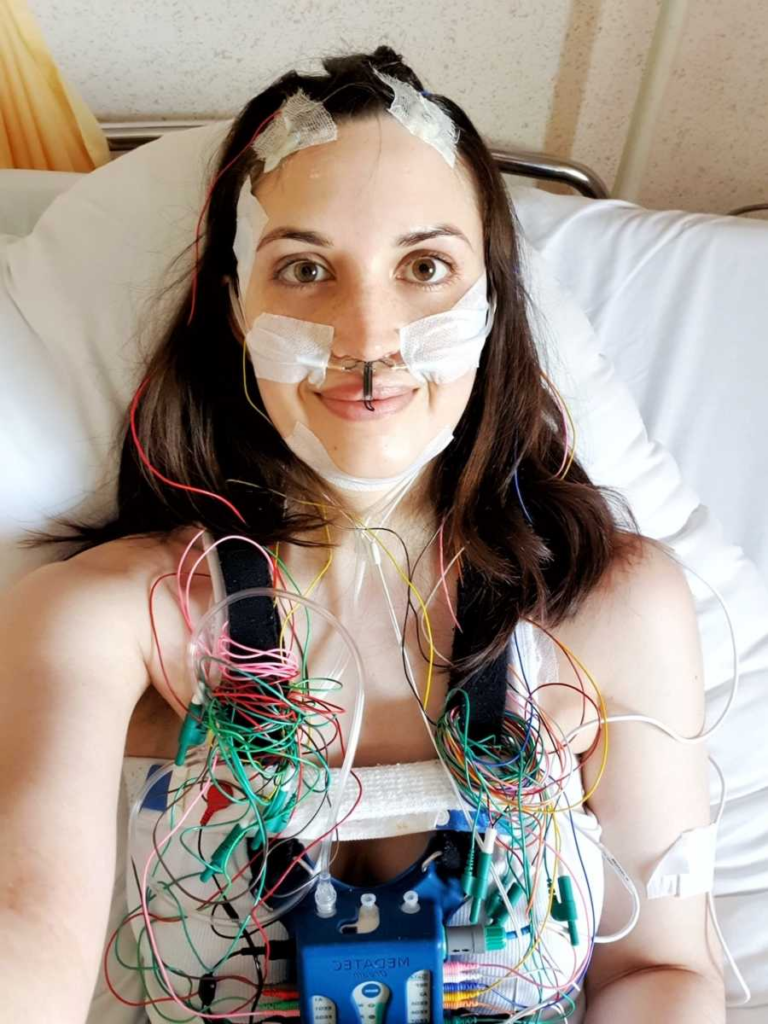
Looking back, she realizes that all the challenges she faced growing up, being criticized, feeling alone, and trying to prove her strength, prepared her for this journey in ways she didn’t understand at the time. They taught her resilience, compassion, and the ability to keep going, even when life feels heavy. But most importantly, they taught her that real strength comes from embracing your vulnerabilities, listening to your body, and valuing the people who stand by you.
If you or someone you love is struggling with chronic illness, know this: your pain is real. Your journey matters. And it’s never a sign of weakness to seek help, take time for yourself, and lean on those who care about you. True strength is not surviving alone; it’s surviving with support, love, and understanding.