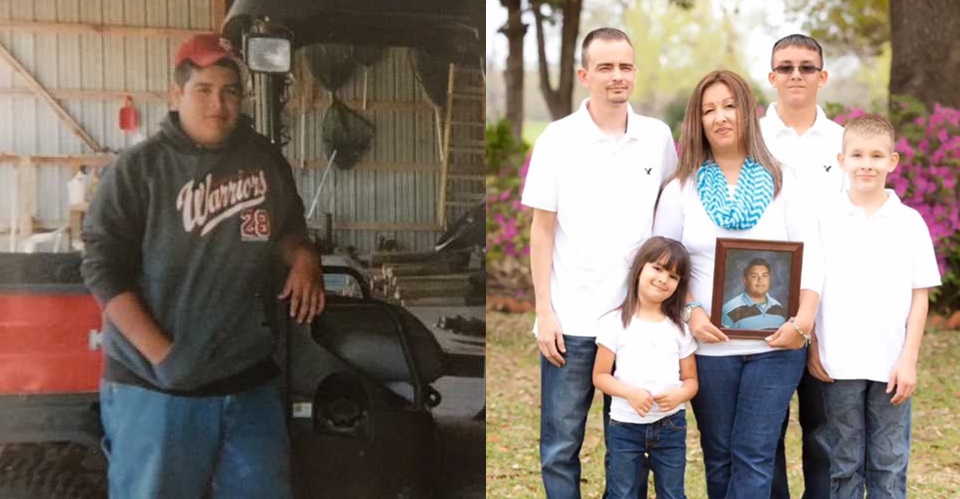
In January 2015, Diana and her husband, Chad, were in Las Vegas for their daughter’s gymnastics meet. Their daughter was a competitive gymnast, so the family traveled often for competitions. Life was busy. Work, school, and constant travel left them all exhausted. But this trip felt different. Chad seemed more tired than usual and kept saying he didn’t feel well. He shrugged it off, blaming something he had eaten, and planned to sleep it off.
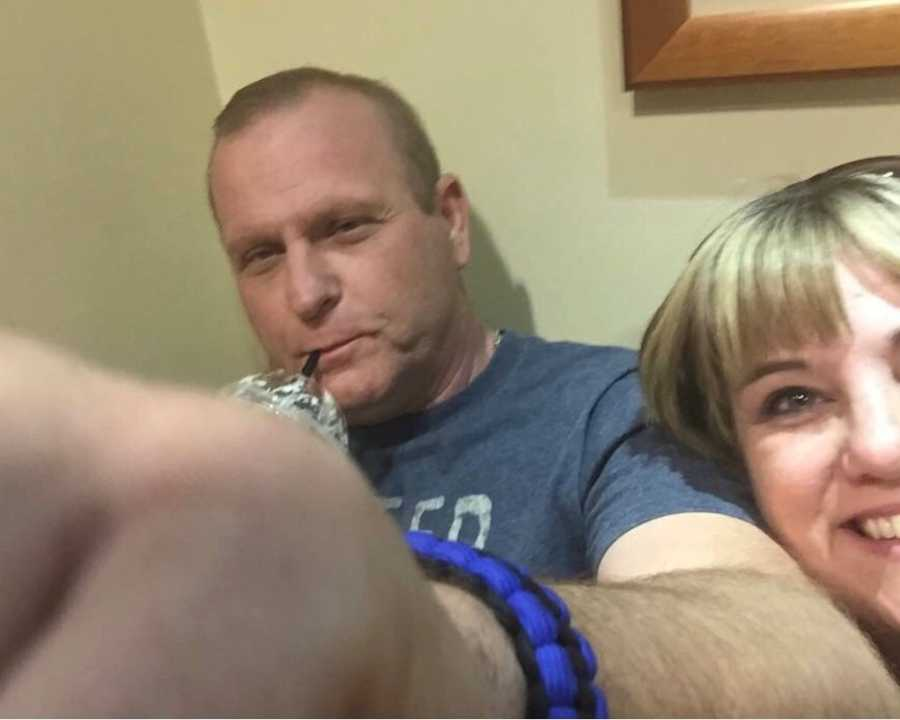
Once they got home, things returned to normal. But about a week later, Diana noticed something worrying: Chad’s skin was turning yellow. Even a co-worker had mentioned it. Chad rarely went to the doctor, aside from the mandatory physical when he became a police officer. When he told Diana, she could clearly see the yellow in his eyes. Her mind immediately jumped to jaundice. She started searching online and read that it could be related to liver problems or hepatitis. Given his job, it didn’t seem impossible. Diana made a doctor’s appointment, but Chad insisted on going alone. He was confident it was nothing serious. The doctor ran a hepatitis panel. A few days later, Chad looked worse. His yellowing had deepened. When Diana called the doctor for an update, she learned the blood tests came back negative.
Chad was 44, strong, healthy, and active. But the tone in the doctor’s voice made Diana’s stomach sink. Something was very wrong. They needed a CT scan. Convincing Chad to go to a hospital farther from home wasn’t easy. When they finally did, an ultrasound revealed something they hadn’t expected: a tumor. Chad’s reaction was quiet. He simply nodded. “Okay,” he said. Diana watched him, trying to understand what it meant. When the doctor asked if he had children, tears welled up in his eyes. It was the only time she saw him cry during the entire eighteen months of his illness—a moment she would never forget.

From that moment on, Diana became his advocate. She organized care for their daughter, made sure Chad had pajamas, a toothbrush, and little comforts from home while he stayed in the hospital. She went to every doctor visit with him, read everything she could about his condition, made endless phone calls, and prayed constantly for a cure. Her life settled into a new rhythm: caring for her children, supporting her husband, and fighting for his survival.
Within a week, Diana and Chad were seeing one of the top pancreatic cancer specialists in the world. Surgery was the only option: a Whipple procedure to remove the tumor and rebuild his digestive system. Two weeks later, they sat in the waiting room of the surgery. They tried to make jokes to calm their nerves, even though both of them knew the eight-hour operation could be a matter of life or death. Before going in, Chad took off his wedding ring and gave it to Diana a small but meaningful sign of trust and love.
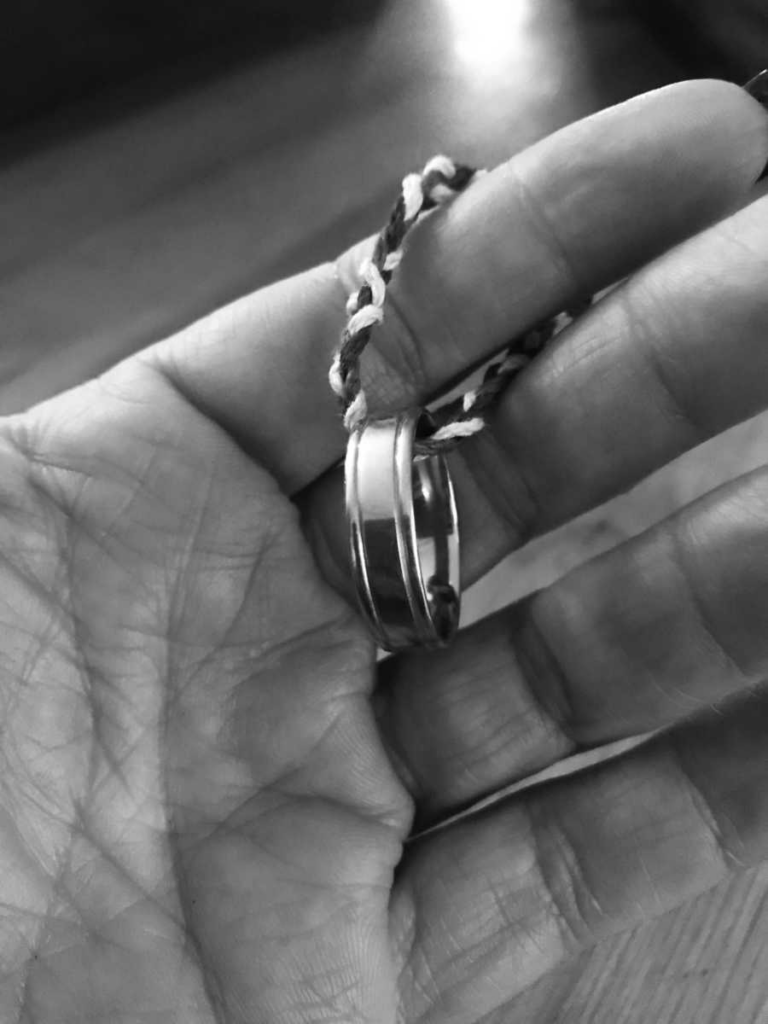
In the months after surgery, Diana saw both Chad’s strength and his moments of weakness. After a stroke, she had to push him through the hospital for routine shots. One day, he lost his wedding ring. They went back to look for it together, but they never found it. Still, Diana stayed by his side, comforting him even as the disease slowly changed their everyday life. Days before his death, she cried alone in the laundry room while washing his shirts for the last time. Each sweater was a memory, each piece of clothing reflected their shared life. As she wept, she noticed a sparkle in the washing machine. It was a perfect, platinum wedding ring. She held it close, vowing never to lose it again.
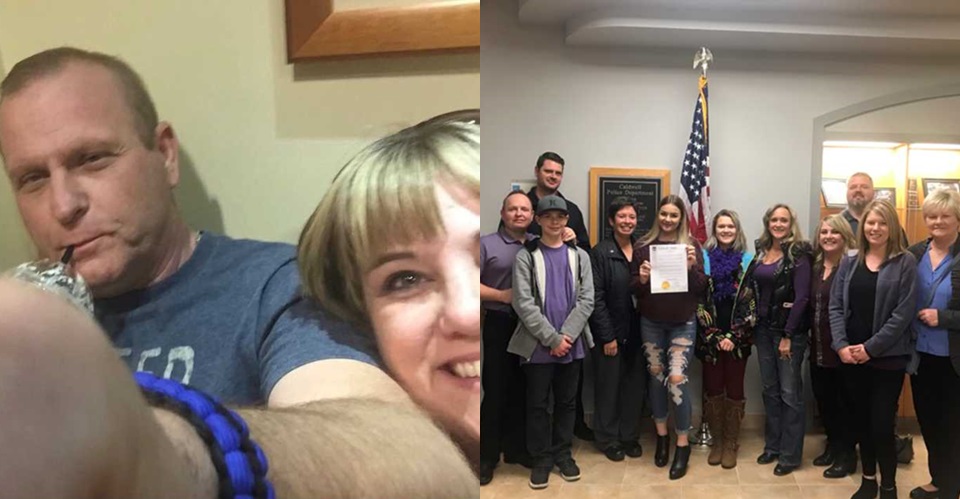
Pancreatic cancer stole Chad from Diana, their children, and from the life they had built together. Since his death, she has lost friends to the same disease. Determined to honor Chad, Diana advocates for awareness, urging people to know the symptoms, take charge of their medical care, and support one another. On November 15, World Pancreatic Cancer Awareness Day, she wears purple in his memory, hoping no one else has to endure the fear and loss she experienced.