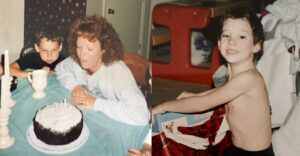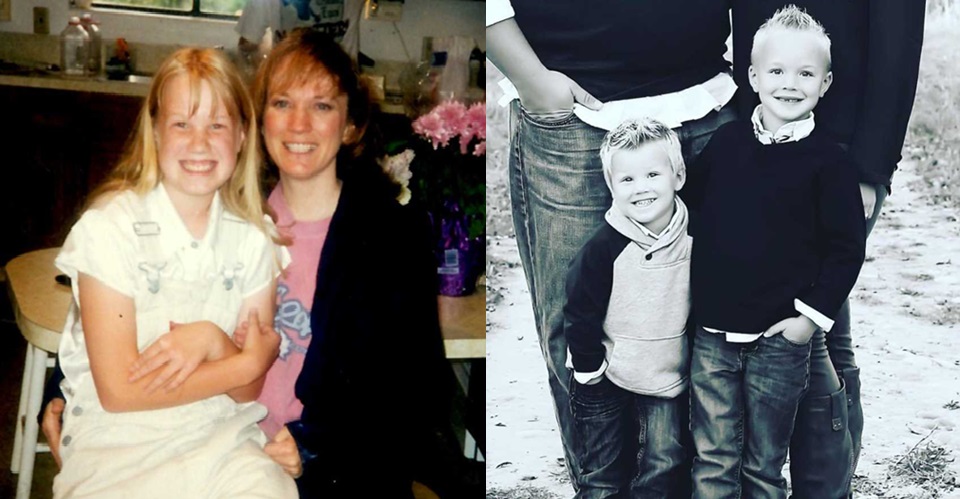
Wikipedia says bullying is when a person uses strength or power to threaten another person, often to get another person to do what they want. However, for a person being bullied, I think they hear a definition of bullying every day: They are not worth anything; no one wants them. These words seem like a mantra until they are believed.
The first instance she was teased, ridiculed, or picked on, she did not think she was that perverse a person, straight out—and she questioned herself, naturally. This was how it started for her, long before she had language for what was happening, during the 1990s, where children were expected to harden up and get over it. To her memory, she recalls where she was, what she was wearing, what it was like to have spring air caress her skin, and guess what hung back: swings with a squeak on them; ‘untouchable’ was what she first heard herself referred to as, while ‘dog face’ followed, repeated so often she came to believe it, in her mind anyway, while she was certain, come middle school, her worth was nothing, or-less, perhaps, at all.
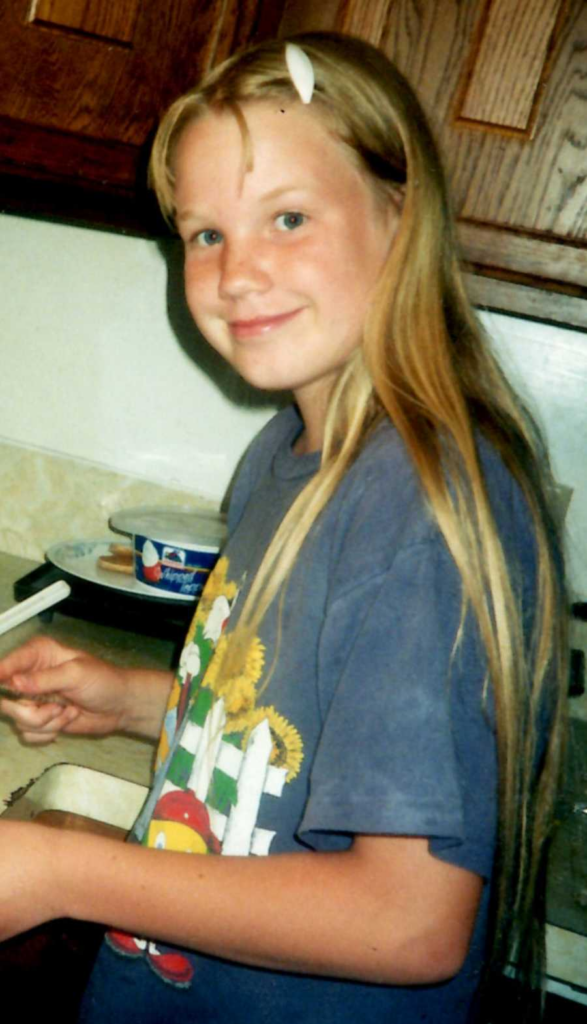
At the mere age of nine years old, she first started believing this. Reflecting upon it now, she understands how young she was when the reality of the situation began to sink in, with a child of her own now nine years old. Her parents knew what was going on. They knew about the bullying, and it is because of them that she learned how to be resilient as opposed to bitter.
She had a medical condition that caused cystic acne, boils, and benign tumors. This took place when she was young. Such occurrences of this medical condition happened on her face, as well as the remainder of her body. This made her an easy target. The name-calling grew with her, including terms such as “pizza face,” “boiler maker,” and “straw head.” None of them left like the others.

School became a fearful environment. In the fifth grade, some kids prevented her from entering the bathroom, taunting her about the way she looked, ultimately leading to an accident she could not control. However, home offered a secure environment. In this environment, she received love. Her mother listened to her, cried with her, and differentiated tattling from the act of telling. More importantly, she urged her to expand her vision from the confines of the school hallway to something more. Academically, too, she struggled and attended additional class sessions conducted in the library, designated for kids with intellectual difficulties. The shame was unbearable as her peers picked on her and encouraged the bullying. Nonetheless, she went through with it.
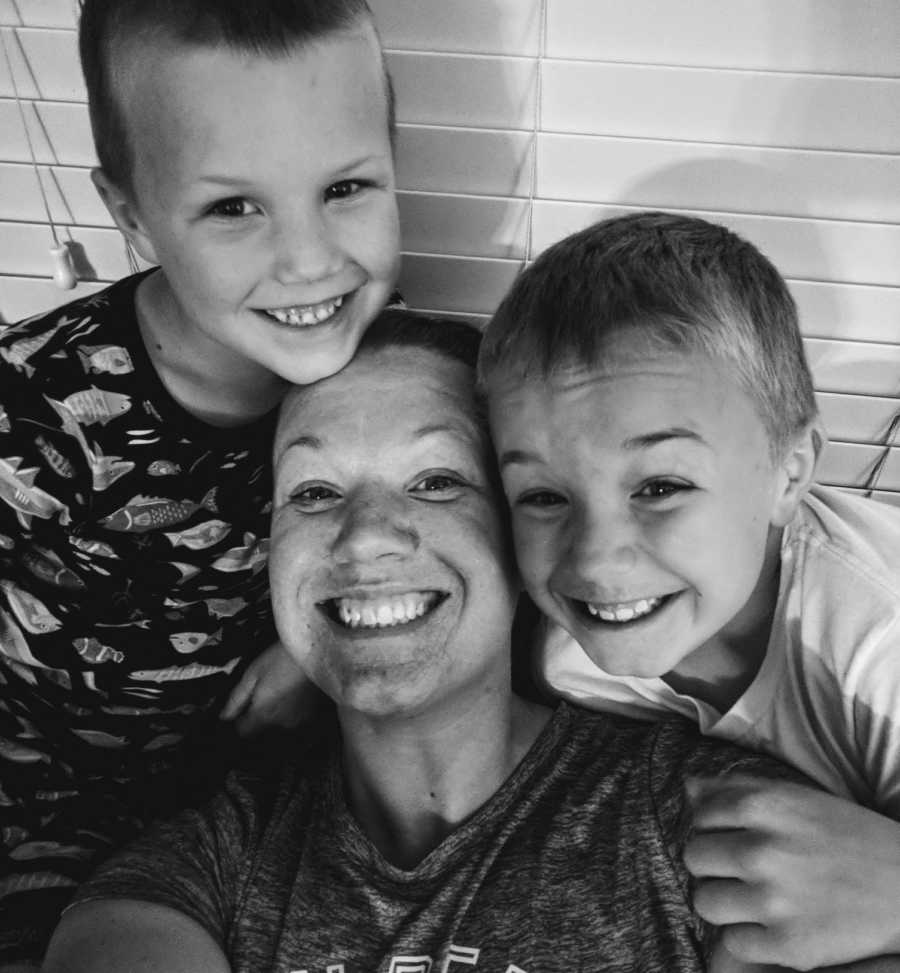
Years later, as a mom herself, she expressly leverages these experiences. Her children are not sheltered from bullies, but they have something that she did not: the certainty of worth. They are given positive affirmations every day. One child, dyslexic, repeats that he is smart and strong. One who struggles in school because he is shy and anxious repeats that he is a kind friend and practices grounding whenever he feels overwhelmed. Her youngest, a daughter, is beginning to teach herself that she can love her body and herself.

She also knows the coping strategies that might develop as a result of pain. As a teenager, she used binge eating as a method of numbing. At puberty, there was immediate weight gain, and bullying ensued. Senior prom night saw the whole cake eaten alone since there was an invitation in the form of a cruel prank. She would want help to come a little earlier.
What she teaches the children is short and sweet yet profound: “Be an advocate, tell the truth, and look for the good.” They are reminded that they, too, can be “the mean kid” and that, if so, they must “fix it” and that “life gives second chances.” They learn to stand up for people, to befriend those who are overlooked, and to fill a need when it is seen. When her children leave each morning for school, she says two things: Find the good. See a need, fill a need. Because in choosing to see the good, it can always be found.