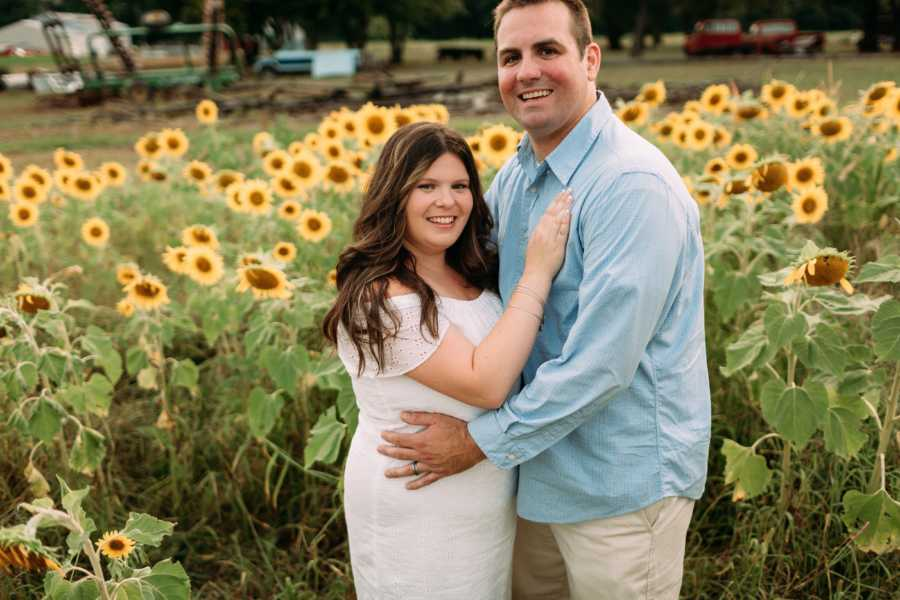
They both became pregnant in August of 2015. There was joy in every area of their lives, shared with family and friends in excitement. She remembered being told all those years ago that all her mother’s sisters had lost their first pregnancy—you yourself being the only exception, meaning you lived. At that time, she and her joy felt far away, beside the point, insignificant. The eight-week confirmation scan indicated there was a heartbeat, and strong, too, and reassuring, and encouraging, and they posted their news with excitement and surprise in mind for sharing with family and friends.
Days later, however, she began to notice light pink spotting. Her doctor calmly told her it could be normal. She attempted to reassure herself of that until the fear was so loud in her head that it couldn’t be drowned out, so she begged for another ultrasound. The woman at the hospital shut down and left the room without looking at the ultrasound screen. She knew then and there. While no one had told her what was happening in their words, her body knew before her brain could register what was happening. She and her husband went home that night, unaware that their baby had already died and a miscarriage was underway. The next day, after waiting in a waiting room full of pregnant women, the doctor simply said, “I’m sorry.” Her grief hit her suddenly.
She decided to take medications instead, to steer clear of any other potential problems. In one final look at life with a name to give, she cried in the window, apologizing for her baby, whom she would only get to experience in her womb. “Baby T” would be all they would get to keep. By sharing the tragedy with the world, she hoped to preserve a life lived, however short.
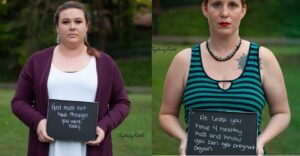
“The physical pain was awful,” she says. “But the psychological pain was worse.” Once the bleeding got serious, she went in alone to the emergency room to have an ultrasound. An offhand remark by a technician hurt her feelings: “You’ll just become pregnant again.” It was as if the life in her womb had been interchangeable. Then, in the weeks to come, there were regular blood draws until her hormones depleted to nothing. It was what her doctor said to another woman in similar trouble that made her realize the couple needed to find another physician. “You call us when you’re pregnant,” he told her.
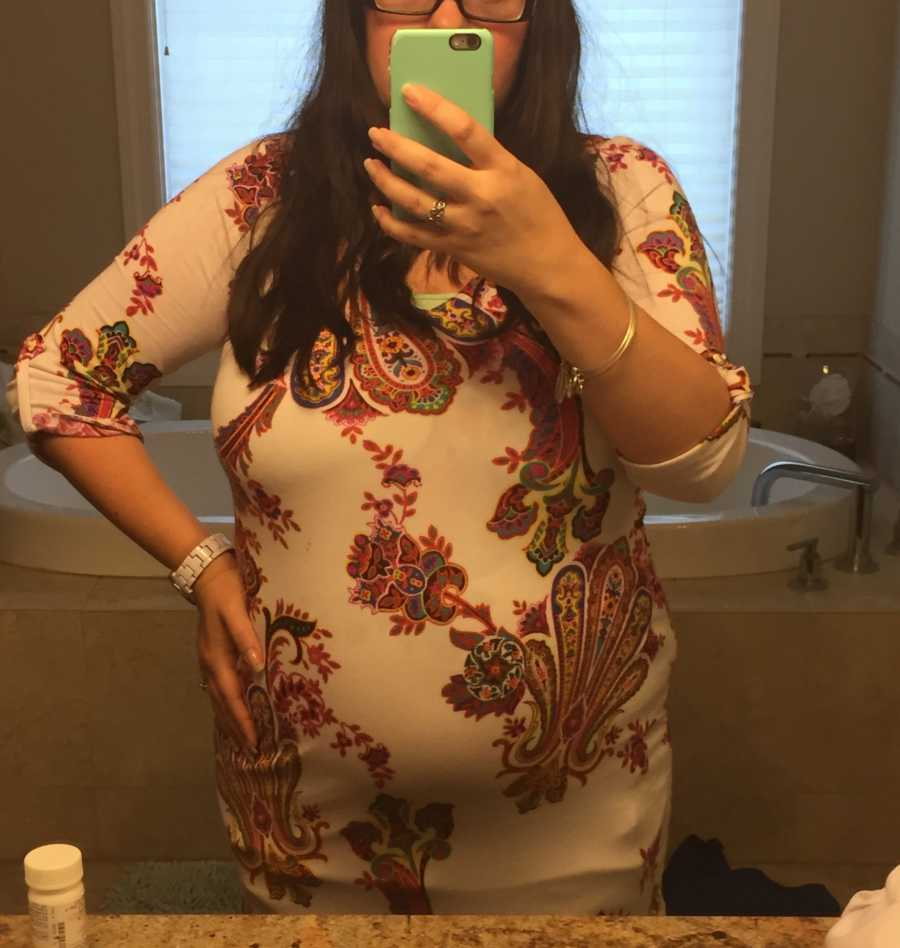
Two months later, with this new OB, she conceived again, this time with their daughter, born in December of 2016. But this pregnancy quickly took some scary turns. Hyperemesis set in, after which came the high blood pressure, swelling, and warnings of something not quite right, all while developing gestational diabetes, to name a few issues that were written off to minor concerns. At 31 weeks, it was finally confirmed what her body had known all along: severe preeclampsia and an immediate delivery of her child.
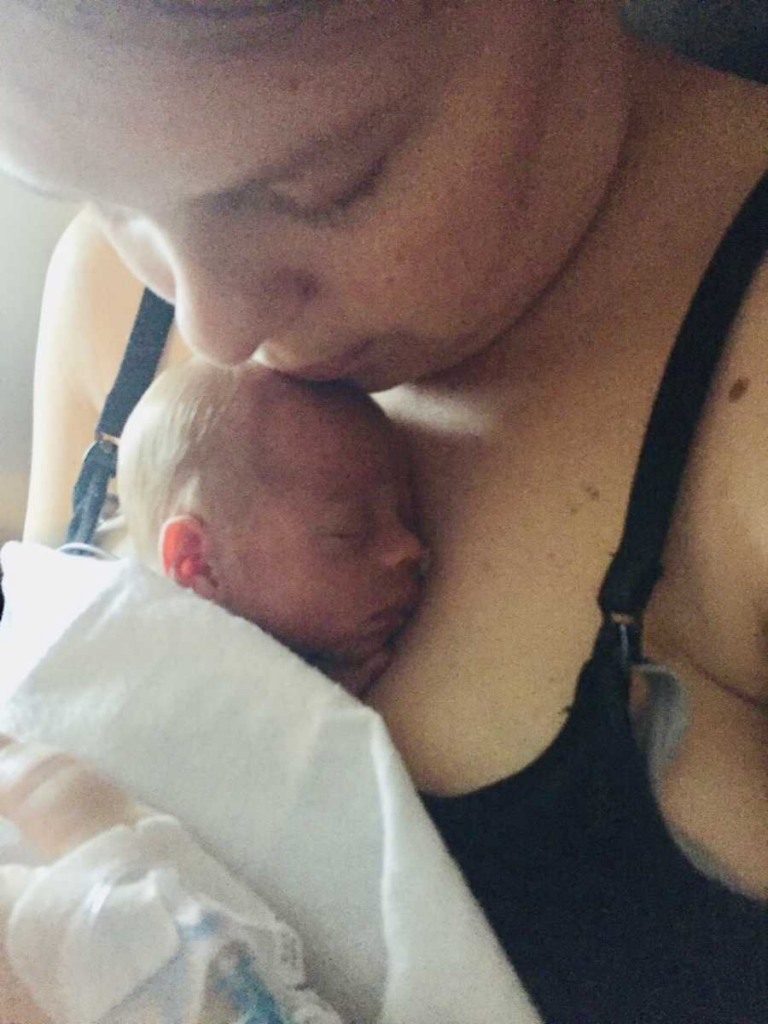
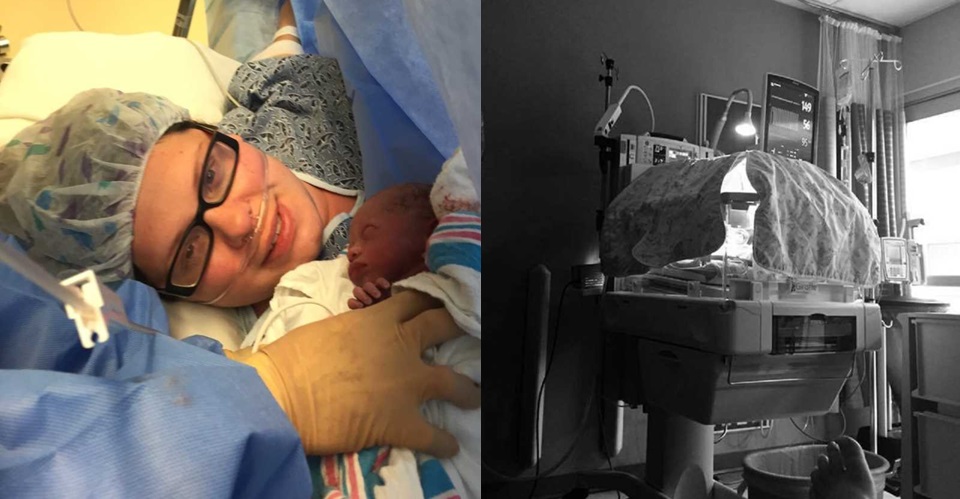
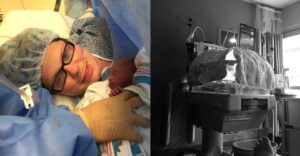
Emma was born weighing a little more than three pounds. She cried—a sound that was itself a struggle to survive. But that’s not the end of the danger yet. Soon, her health began to fail rapidly. She was diagnosed with postpartum HELLP syndrome and taken to the ICU, barely alive. Sigh of Relief. They spent nearly a month in the NICU, learning how to live minute by minute. Emma eventually came home. Today, her picture hangs in the Hallway of Hope at that hospital, because she and countless other children gave life to that hallway. Emma’s mother is an advocate today because the NICU and families like hers turned an otherwise grieving parent into an NICU and grief advocate. After all, Emma and countless other children gave life to that hallway.


4 thoughts on “From Miscarriage to Miracle: A Mother’s Struggle with High-Risk Pregnancy, HELLP Syndrome, and Advocating for NICU Families”
Comments are closed.