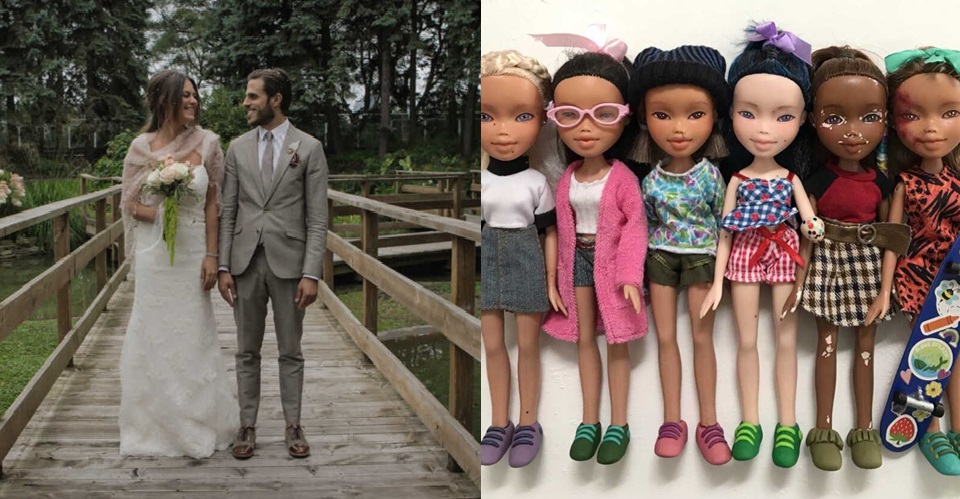
A doll can be more than a toy when an honest heart makes it. He first noticed Jessica in grade ten on a warm September morning. They had known each other for years, but that day something felt different. Her presence was bright and steady, the authenticity that glows from the inside and cannot be missed. He did not have the words then, but looking back, he knows her pure heart caught him. This is not a romance about their marriage so much as it is a portrait of who she is and how she pours care, precision, and passion into everything she touches.
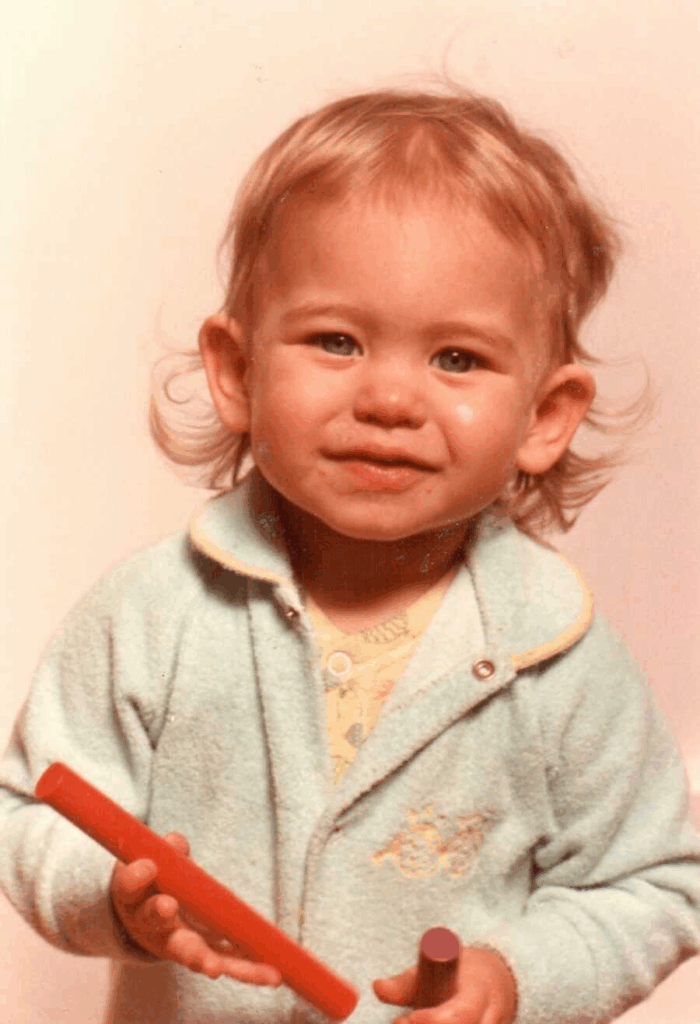
Jessica’s early years were hard. Her parents split soon after she was born, and during shared custody, she endured abuse from her father. She was too young to explain, but when her mother realized what was happening, she fought until she won full custody. Soon after, Jessica’s father, who was seriously ill, took his own life. She was five. The next few years were a whirlwind of moves between provinces and states, swapping schools and never staying long enough to build deep friendships. Books became her anchors. She has said those stories kept her company and, in many ways, saved her.
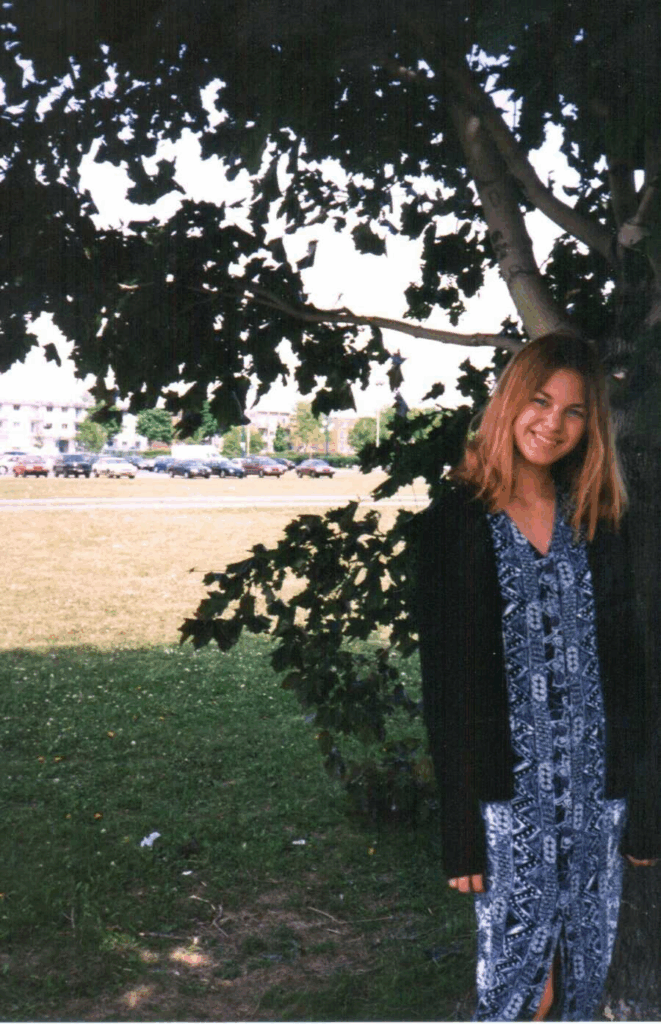
Creativity grew alongside reading. By high school, she was the class standout in drawing, painting, sewing, and design. Long before it had a trendy name, she was a do-it-yourself maker. Over time, she taught herself tattooing, jewelry making, sculpture, macrame, graphic design, and more. People who saw her work often said she turned anything she touched into something beautiful. Talent was obvious. What set her apart was character. From the moment he knew her, he could see that Jessica was grounded in her identity. Her moral compass was firm. She chose kindness without effort and could not bring herself to lie.
They began dating after high school and soon moved in together—their tiny apartment filled with her handmade lamps, furniture, and art. Years later, with a family of their own, she still created clothes, decor, and practical pieces, always looking for ways to use what they already had or to find second-hand materials. When they learned they were expecting their first child, Jessica began crafting a nursery that felt like a dream: clay animals, floating cloud and flamingo mobiles, miniature paintings, and of course, shelves of books.
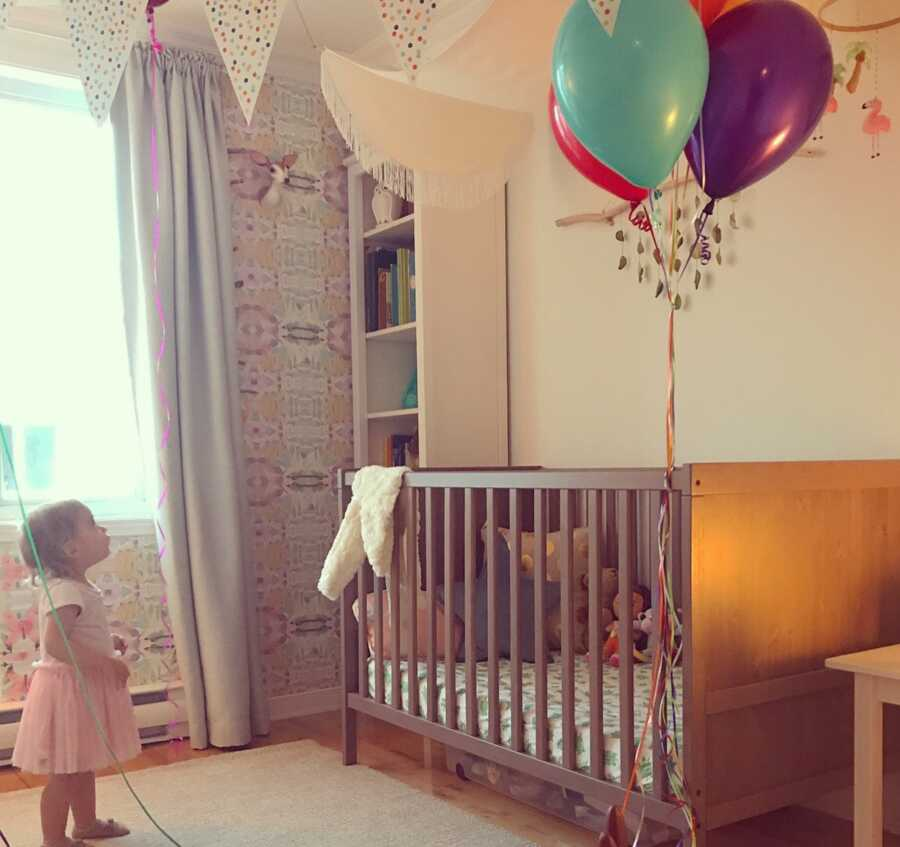
She also thought deeply about toys. She believed the games children play shape their inner world and values. She wanted their daughter to see inclusion and difference not as afterthoughts but as everyday facts to celebrate. They asked themselves what would happen if their child had a visible difference or disability. Where were the toys that reflected her? If they did not exist, could they make them? For Jessica, the answer was yes. Be the change, or in her case, create it.
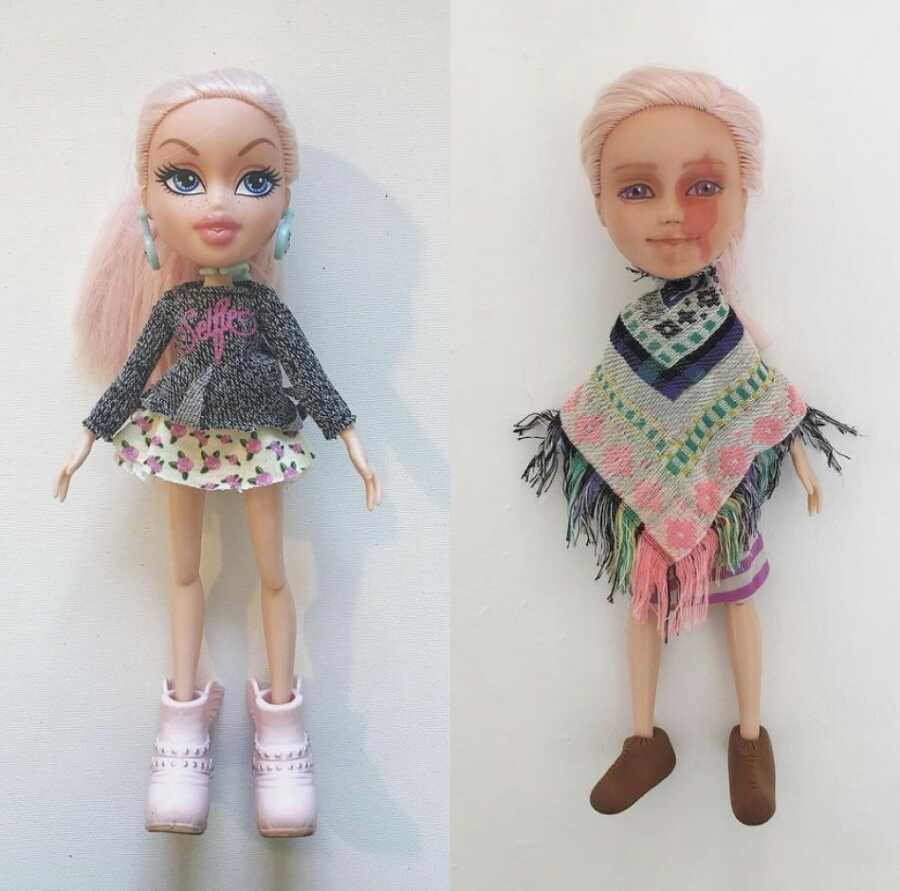
Sustainability mattered too. If she was going to make dolls, she wanted to start with recycled materials or upcycle existing ones. After some research, she chose Bratz dolls as a base and carefully reworked them, turning a symbol of narrow beauty into something honest and kind. The first set featured children with differences that are often overlooked: a port wine stain, albinism, an arm amputation, and a facial scar. She finished them just after their daughter was born and lined them on a shelf near the crib. Visitors were amazed. Friends urged her to share her work.
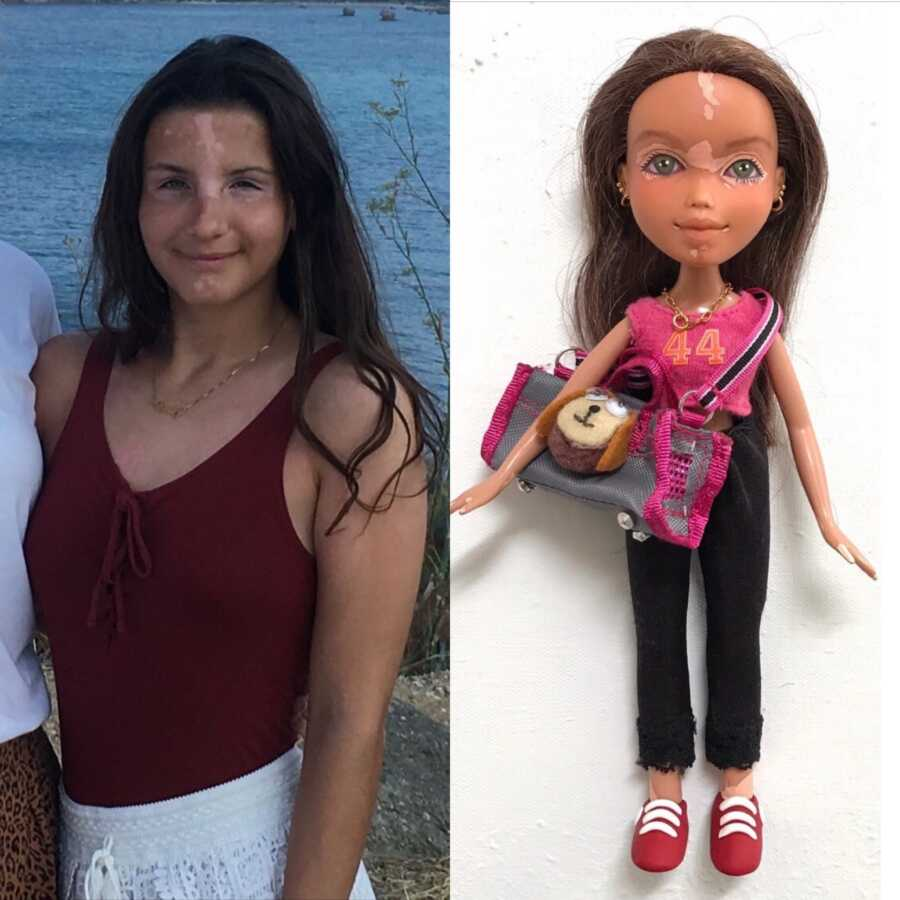
When she posted photos online, a stranger wrote to ask for a doll for her niece, a little girl with a vascular anomaly who was hurting from early schoolyard comments. Jessica listened, gathered details, and made a doll resembling the child, honoring her favorite colors and creatures. The gift made a visible difference. More requests followed. My Diversity Dolls was born, a small studio dedicated to creating custom dolls for real people, inviting children to see themselves and others with acceptance and pride.
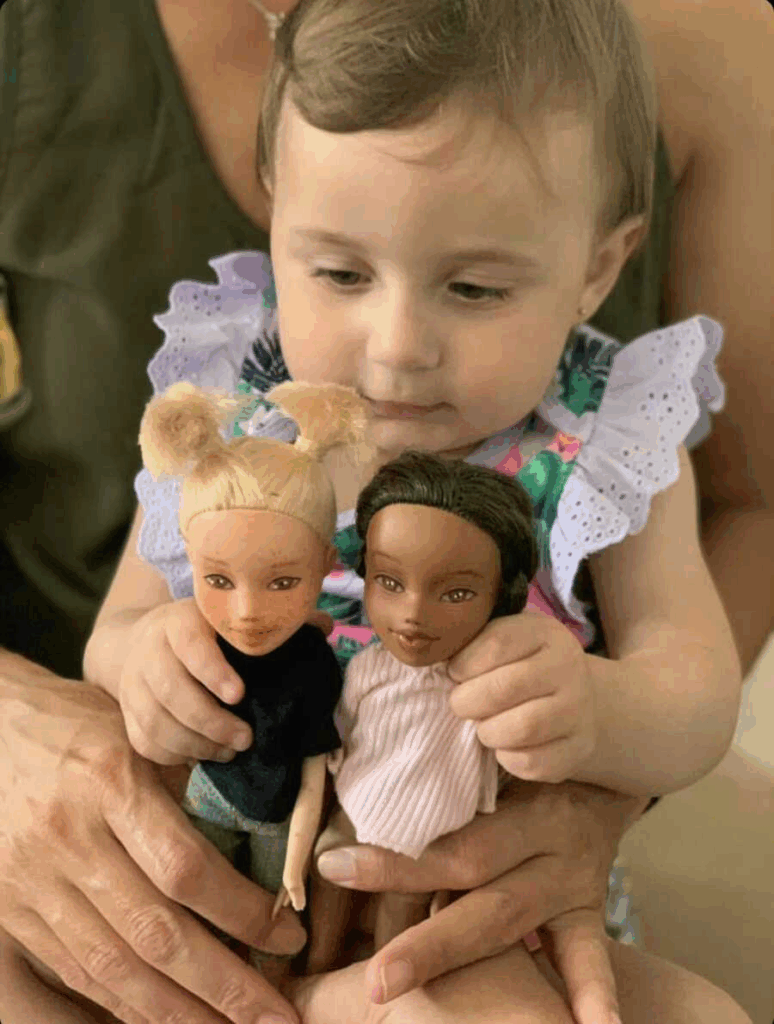
As word spread, she opened an Etsy shop and a dedicated social page, and began preparing a website to make requests easier. She also started conversations with children’s hospitals and nonprofits in North America and Europe about campaigns where each order could support a cause chosen by the buyer. What began as one mother’s wish to teach her daughter became a way to bring joy and dignity to families worldwide.
Jessica’s quiet mission has reached hundreds of children and their parents in three years. She has reminded them that difference is not something to hide. It is something to meet with curiosity, respect, and love. Her work proves that small hands, guided by steady values, can change the way a child sees themselves.