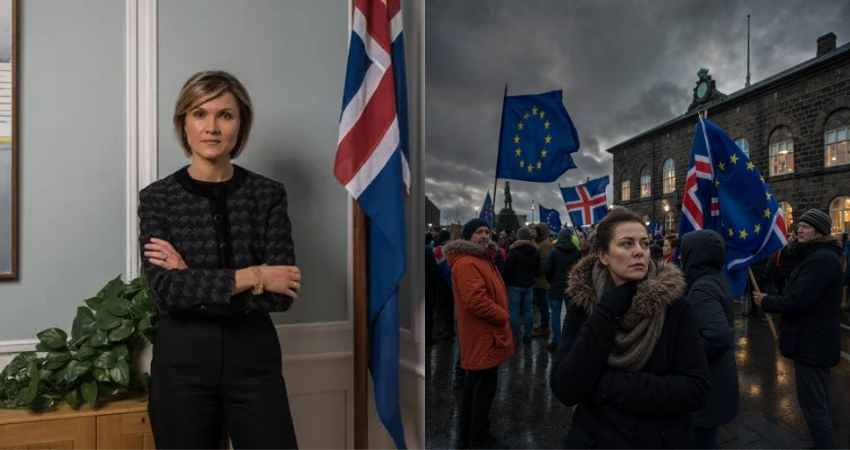
Iceland is set to hold a referendum on August 29 on whether the country should restart talks about joining the European Union. It’s the first vote on the issue in more than ten years.
The ballot has been compared to the UK’s 2016 Brexit referendum, coming at a time of economic pressure and wider geopolitical uncertainty for Iceland’s roughly 400,000 people.
Opponents of EU membership are already organising, arguing that closer ties with Brussels would be a serious threat to Iceland’s independence and economic stability.
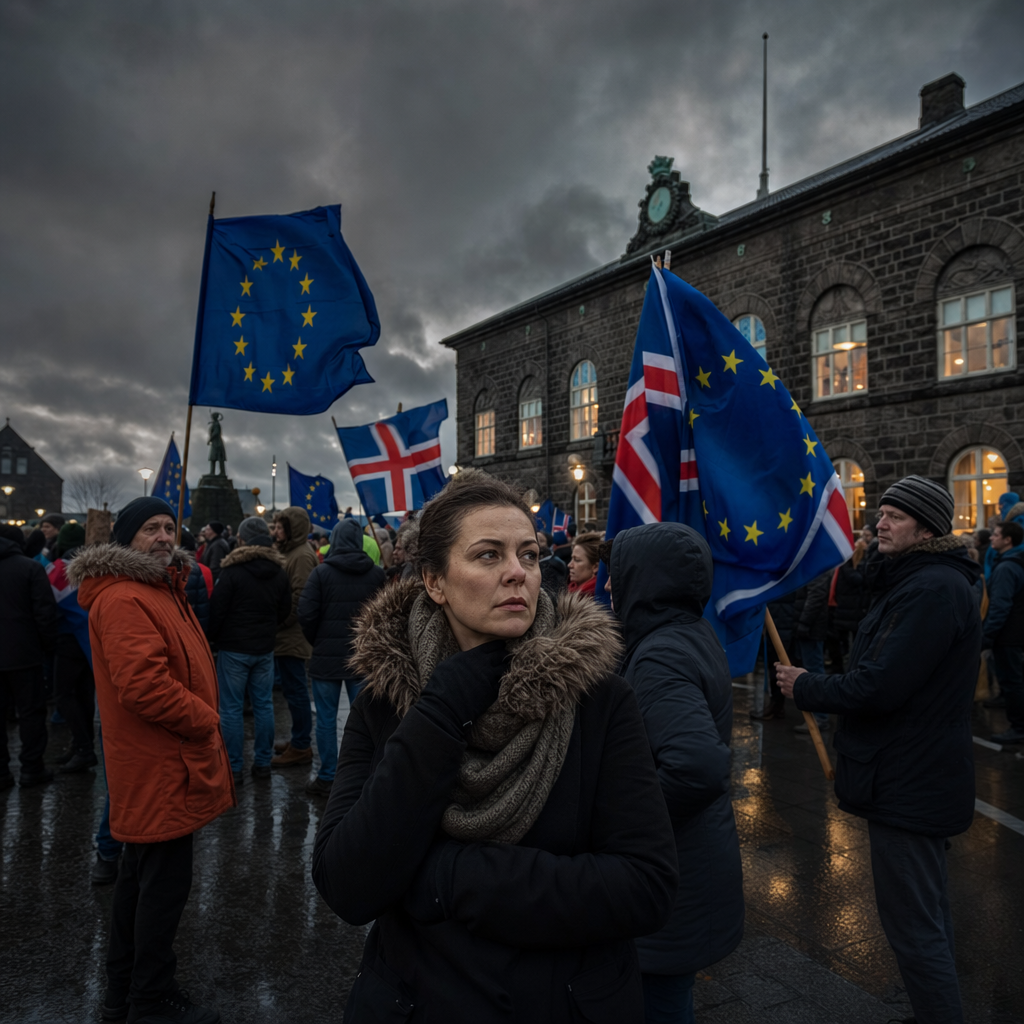
The result could end up reshaping Iceland’s long-standing position in Europe, where it has stayed outside full membership but still taken part in the EU single market through the European Economic Area.
Professor Haraldur Ólafsson, who leads the anti-EU campaign, has warned strongly about the costs of joining the bloc.
He told The Telegraph: “I would suggest that becoming a member of the European Union is the worst business idea Iceland could think of, and being a member is a huge step away from democracy as we know it.”
His campaign uses the slogan “Keep In Control”, clearly echoing the Brexit “Take Back Control” message used in the UK referendum.
Ólafsson also argues that Icelanders would likely regret membership, saying the country already follows many EU rules through the single market while still keeping control over key areas like fishing and trade.
He also points to the UK’s exit from the EU as a warning example for Icelandic voters.
“The conclusions we can draw from Brexit are that you are not supposed to leave the EU,” he said, arguing that leaving is made extremely difficult once a country joins.
He added that things would be even harder if Iceland adopted the euro, saying it could make exit “from difficult to almost impossible.”
The debate creates a contradiction: the “no” side borrows Brexit-style messaging while also using the UK’s experience as evidence that EU membership is effectively a one-way decision that’s hard to undo.
Historically, Iceland’s hesitation over EU membership has been driven largely by concerns that joining would force it to open its rich North Atlantic fishing waters to other European fleets.
The country first applied in 2009 after the collapse of its banking system during the global financial crisis, but talks were paused in 2013 when a new centre-right government came in and were later fully abandoned in 2015.
Prime Minister Kristrun Frostadottir’s centre-left government, elected in 2024, originally planned a referendum by 2027 but moved it forward.
That decision came amid rising global tensions, including threats from former US President Donald Trump related to Greenland, which at times became confused in diplomatic discussions.
Rising living costs, the war in Ukraine, and growing strain in transatlantic relations have all added to security concerns in Iceland, a country with no standing army that relies on NATO and a defence agreement with the United States for protection.