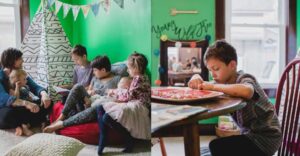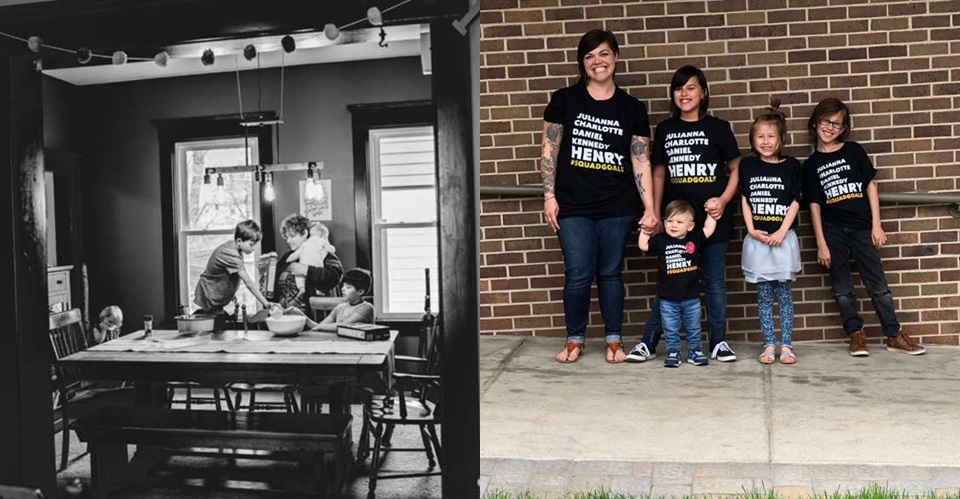
People often think they have her story figured out before she says a word. The un-ringed left hand, the tattoos, the cluster of little faces around her, each unique in their coloring and curls. They assume she is another woman living off the government, maybe careless, maybe lost. But the truth is, they couldn’t be further from it. They are really seeing a woman named Julianna, a single foster and adoptive mom from Iowa who has built a family out of heartbreak, healing, and the kind of love that does not ask for permission.
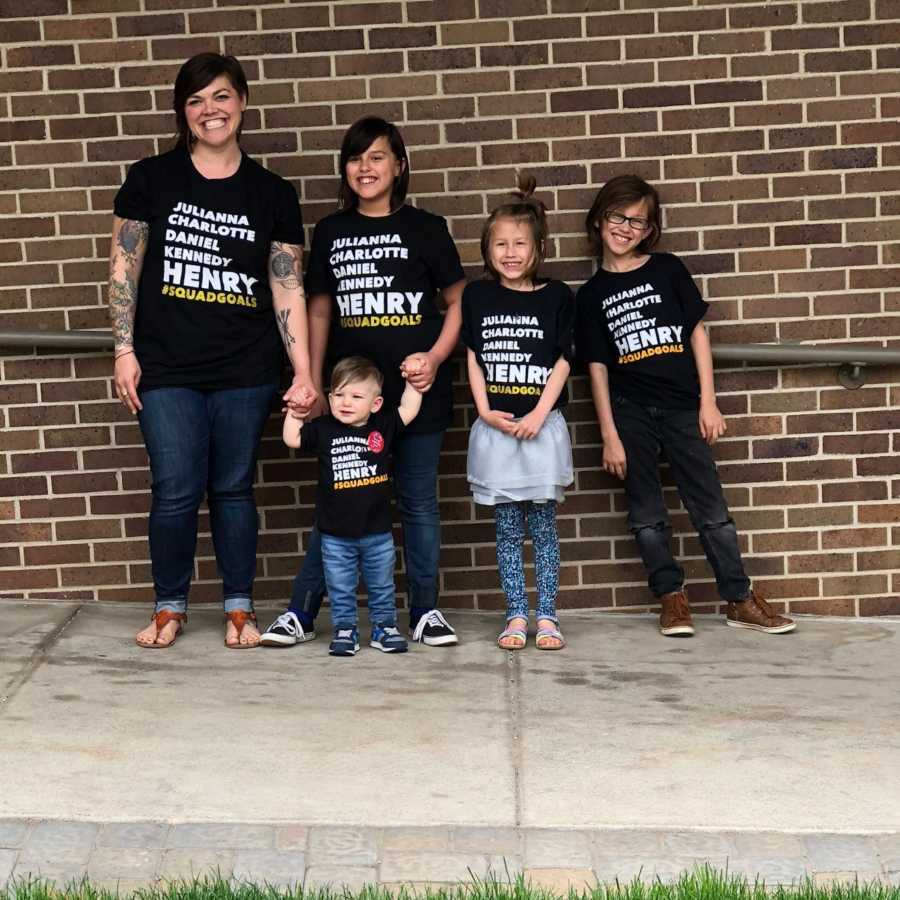
When Julianna steps out of her van, she knows people stare. Her children tumble out like a small, loud, joyful, and unpredictable parade. They fill a room just by being in it. Sometimes, the glances she catches are kind and even curious, but other times, they come with that quiet judgment that feels heavier than words. She used to care about that and wanted to explain herself to strangers in grocery store aisles. In her first years of motherhood, she worked too hard to prove she could handle it all, and it nearly broke her.
It took time for her to learn that parenting children with trauma meant letting go of pride. Her kids didn’t need a perfect mom; they needed one to meet them in the mess. Now, when someone melts down in public, when emotions spill over in the middle of the cereal aisle or a restaurant, she doesn’t rush to hush it away. She takes a breath, crouches down, and meets her children where they are. Because healing, she’s learned, does not follow a schedule or a rulebook.
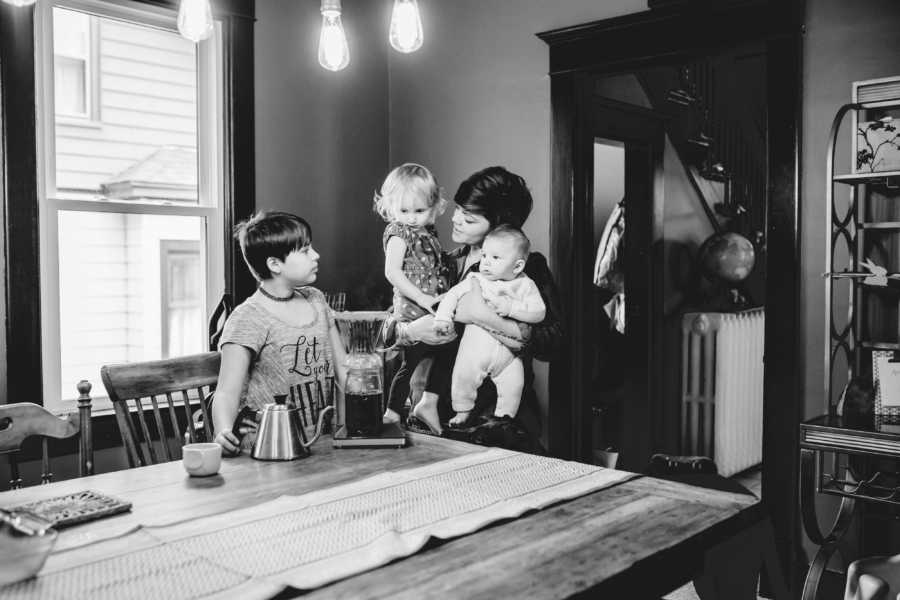
There are mornings when the whole house runs late, and she knows the school is keeping track. But if they only knew what those mornings looked like, they might see things differently. Maybe one of her daughters wakes up crying, refusing to go to school because old fears have returned to visit. Maybe her son cannot focus, his thoughts still tangled with memories he doesn’t yet have words for. Perhaps another child can’t face a simple homework question because perfection is the only way to survive. These aren’t excuses; they are the realities of trauma, invisible to those who only glance from the outside.
To the teacher who thinks her son is just restless, she wishes they could see how hard he fights to sit still, how much courage it takes to keep going when the world has already felt unsafe. To the stranger who stares when her child screams in a restaurant, she wishes they knew that he just came back from a visit with his biological parents, and his heart is breaking in ways he doesn’t know how to say. To those who assume she’s too lenient or too chaotic, she wishes they could live a day in her home, where healing and love share the same roof and patience is the only language that works.
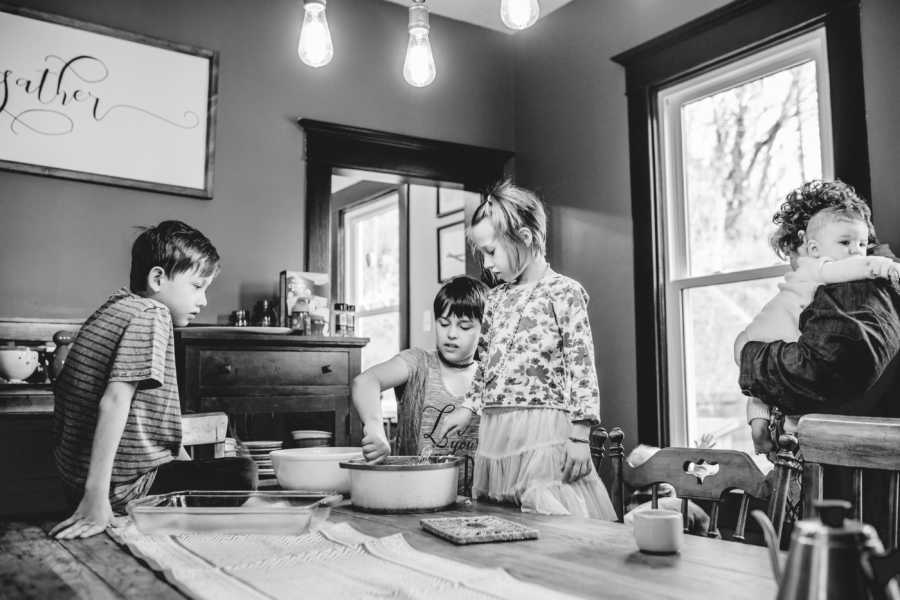
Her family may not look traditional, but that makes it beautiful. Each child carries a different story and beginning, and somehow they’ve all found their way to the same kitchen table. It’s not always peaceful, but it’s sacred. There are nights when laughter fills every corner, and others when tears remind her how deep the wounds still run. Yet through it all, Julianna keeps choosing this life repeatedly because she believes love can rewrite the hardest stories.
If people only knew, they would see that bloodlines or appearances don’t define this family. They would see that empathy matters more than assumptions and that kindness can change everything. Julianna’s home, with its chaos, noise, and deep tenderness, is proof that family is not about matching faces but about holding space for broken hearts to learn what safety feels like.