She was the youngest of four children and the only girl. As a result, she was always next to her mother. They hung out for a while. They laughed, they chatted, and they behaved more like best mates than mother and son. Her mother was gregarious and bright, joking and smiling constantly. So, as little tweaks began, nobody gave them much thought. They were easy to miss.
The diagnosis of cancer came in 2010, her father’s. Life became stressful and scary. When her mother appeared lethargic or preoccupied, the illness got all the blame. It felt normal at the time. In 2012, her father died. And afterward, her mother grew silent. She kept her sadness inside. Friends took notice and asked her to get checked out by a doctor. At first, it was like mourning. She was prescribed depression medications. But rather than getting better, her mother’s condition deteriorated.
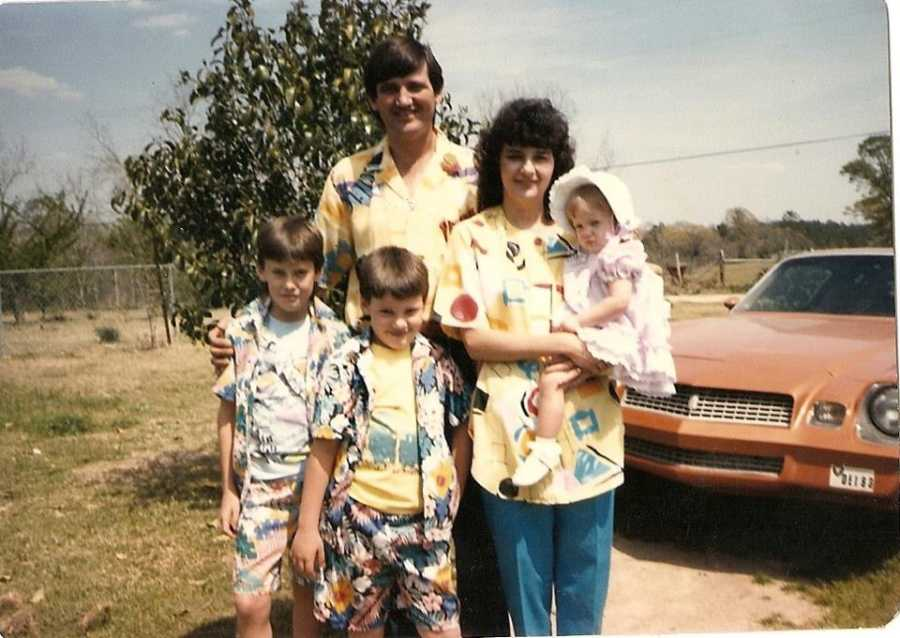
The daughter made sure to visit every weekend. She traveled from out of town as often as she could. Her husband supported her, and her brothers, who lived nearby, helped too. For a while, it felt manageable. Then things changed more clearly. Her mother stopped caring about her clothes and hair. She forgot what year it was. This made her feel worried. She had already lost her father. Now she felt like she was losing her mother, too. It reminded her of her grandmother, who struggled with dementia. She knew how painful it could be.
When her mother was sixty-one, doctors finally gave a name to what was happening: it was dementia. At first, they tried to keep her life the same. She drove, and Friends and family came to visit often. Medicine and daily routines helped a lot for a while. But within two years, it was clear she needed more help. One day, she forgot how to drive and almost got into a stranger’s car, and that moment changed everything. This made her daughter cry at the thought of her mother being cared for by strangers or living in a nursing home. Her husband reminded her that they were not alone. They could do this together. With time, they brought her mother to live with them.
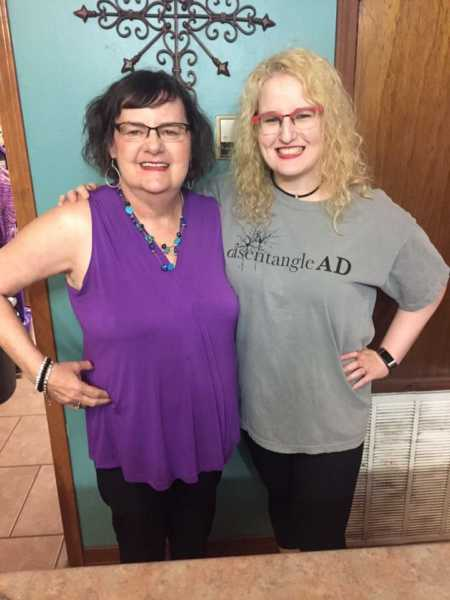
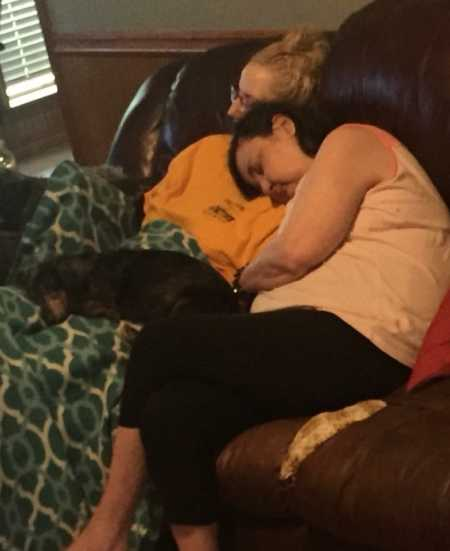
Life became full and heavy at the same time. It was filled with Love and care. Early on, her mother began to believe her daughter was not really her daughter. She searched the house, crying and confused, asking for her “real” child. Even now, she rarely knows who her daughter is. But she still remembers her granddaughters. Sometimes she asks for them by name, and those moments feel like small gifts. As time passed, her mother stopped speaking, and she became her full-time companion. She helped her bathe and get dressed. She brushed her hair and painted her nails. She looked for small ways to bring comfort. Some days, her mother saw things that were not there. She talked to her reflection in the mirror and called it Sharon. Because of this, someone had to stay close, watching her all the time.
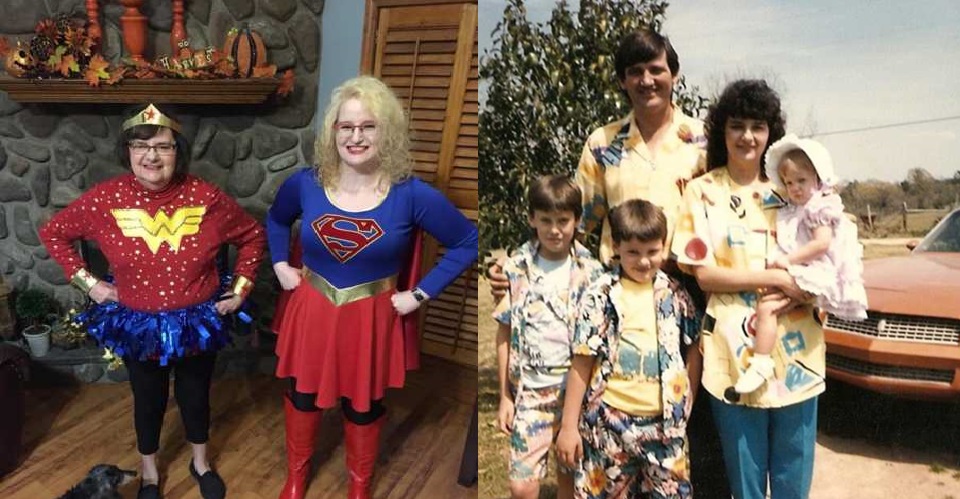
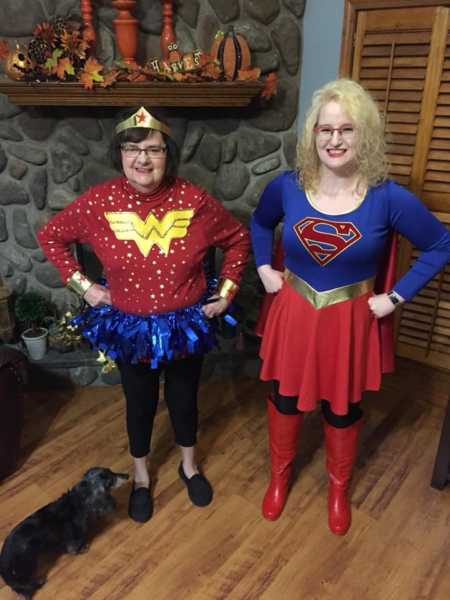
Even with all the hard days, there were moments of joy. After one tough week, her husband suggested a night out. They decided to take her mother to see The Rocky Horror Picture Show. They dressed up in costumes. At first, the daughter felt nervous. She did not know how her mother would react. But her mother surprised them. She loved the adventure. She helped choose costumes and proudly said she was Wonder Woman. She laughed freely. For the first time in days, fear seemed to fade.
In that moment, the daughter saw her mother’s spirit shine through. Even though taking care of her was difficult, as some days felt overwhelming, those rare moments of laughter mattered. They showed that parts of her mother were still there. They could still make memories together. Even with illness, their love remained strong.