Chelsea Floro never imagined that one Facebook post could change her family’s life forever. She and her husband already had two children, a daughter and a son with autism. They thought they were done after adopting a baby girl in 2016. Their plan was simple: adopt once, step out of foster care, and finally settle into a routine. But life has a way of rearranging even the best-laid plans.
Scrolling through social media one evening, Chelsea came across a post from her regional foster page. It described a baby waiting in the hospital for over two months. He was born without femur bones, considered medically fragile, and had nowhere to go. The hospital was pleading for someone to take him because they could no longer keep him. Chelsea read the words again and again. At first, she told herself it wasn’t possible. Her plate was already full with three kids, therapies, and appointments. Surely someone else would step up.
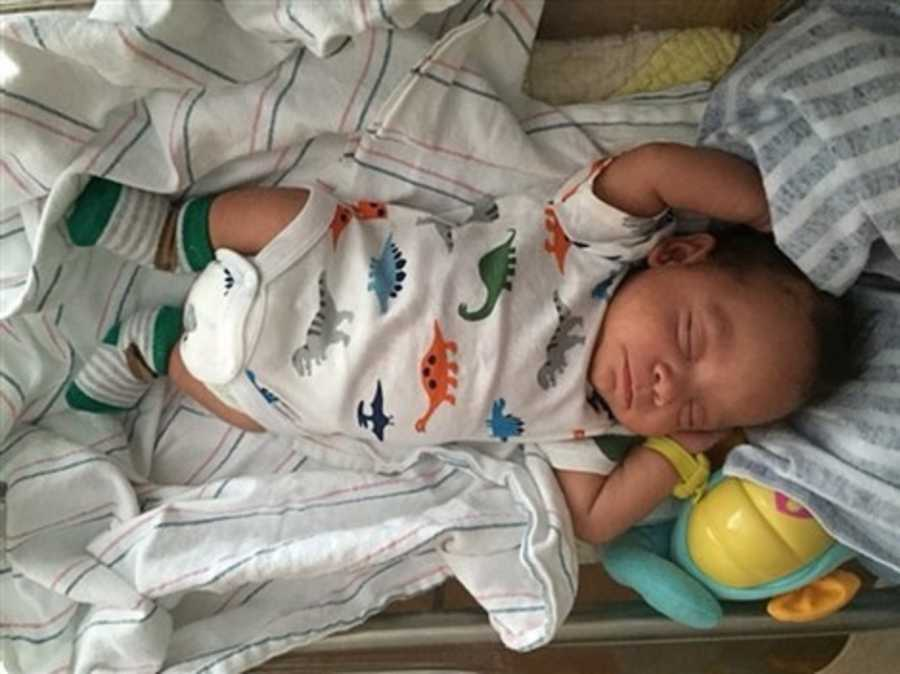
But the next day, another post appeared. Then another. Each one begging for help for the same little boy. That night, Chelsea couldn’t sleep. Something inside her wouldn’t let her move on. By morning, she picked up the phone and asked for every detail, the good and the bad. The hospital had never seen a case quite like his. They said he might never walk, that he could have fetal alcohol syndrome, that caring for him would require extensive medical training. But he needed a home, and he needed it today. After speaking with his CPS nurse, Chelsea felt a shift. The nurse didn’t sugarcoat anything. She told the truth, but she also offered hope. She shared stories of other children with physical disabilities who had defied expectations. By the end of their conversation, Chelsea felt something more substantial than fear, she felt purpose. She said yes.
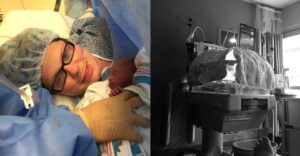
When the baby arrived, her heart raced with joy and panic. He was tiny, fragile, and missing both femurs and hips. His head was misshapen from months in a hospital bed. He had scars around his feet from amniotic bands. Chelsea was terrified of hurting him, of doing something wrong, but also amazed by how small and perfect he was. The caseworker explained that his biological family was completing a home study and might soon take him. Chelsea told herself not to get too attached. But that was impossible.
Her older children came home from school that day and immediately fell in love. They didn’t see a baby with a disability; they saw their brother. They asked if they could keep him, took turns holding him, and fought over who got to sleep next to his crib. Their innocence and unconditional love erased the fear that had crept into Chelsea’s heart.
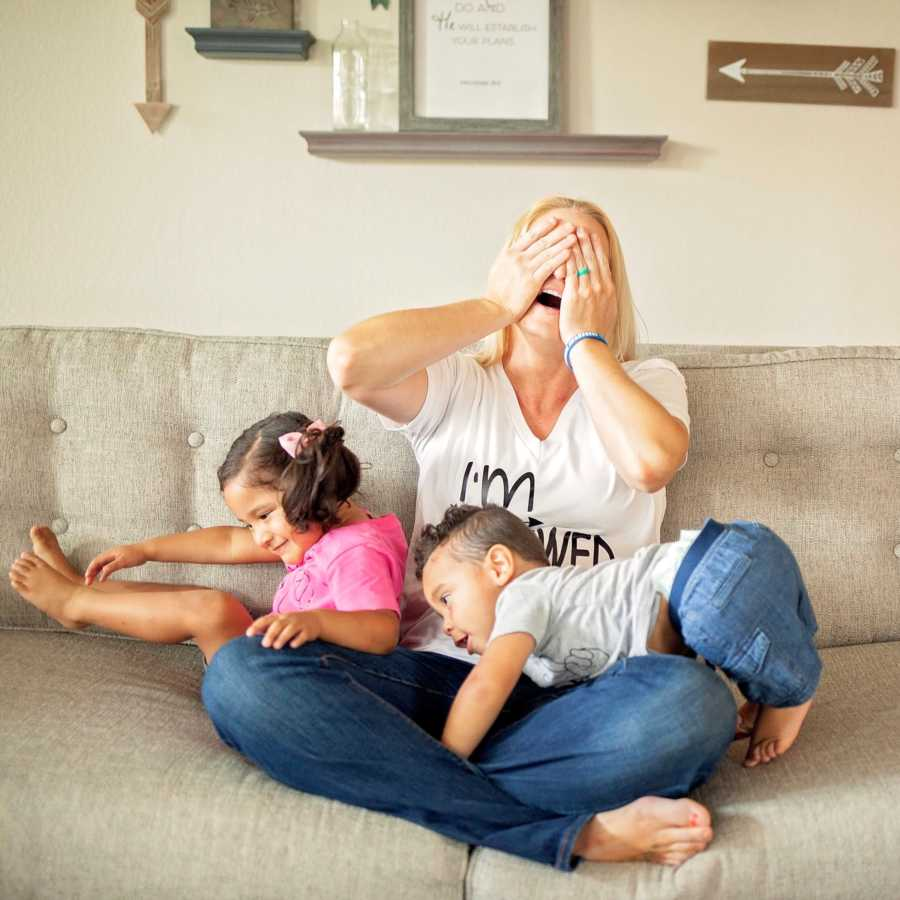
The baby, named Charlie, was not easy to care for. He cried constantly, battled sickness after sickness, and had more medical appointments than Chelsea could count. Every doctor had a different opinion. Some said he would never walk. Others thought he might. One told her about a boy with a similar condition who played high school football. The uncertainty was overwhelming, but Chelsea’s love grew stronger than her fear. Then came the call that changed everything. The kinship placement had fallen through. The caseworker asked if Chelsea and her husband would consider adopting him. This time, there was no hesitation. They already knew the answer. Charlie wasn’t a foster placement anymore. He was their son.
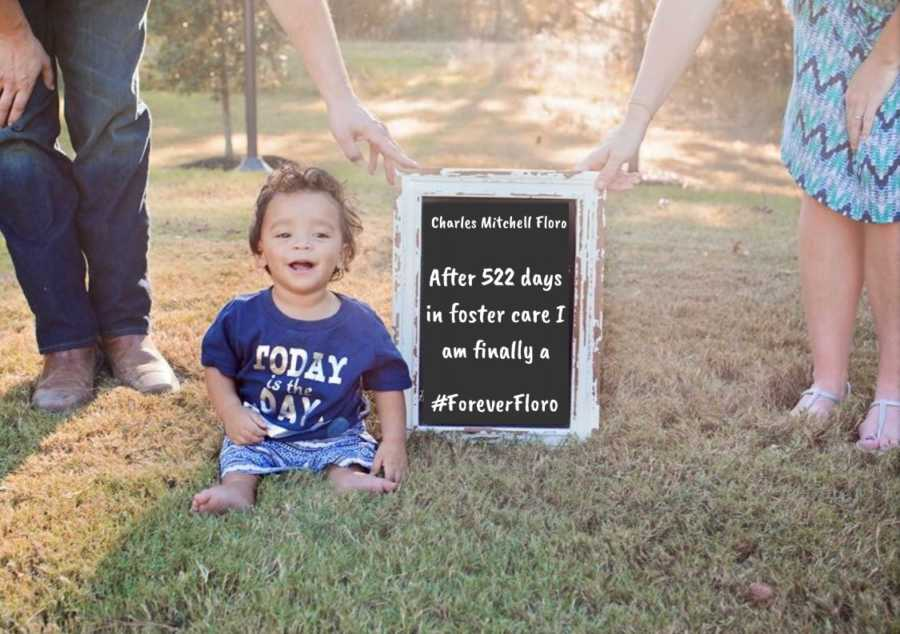
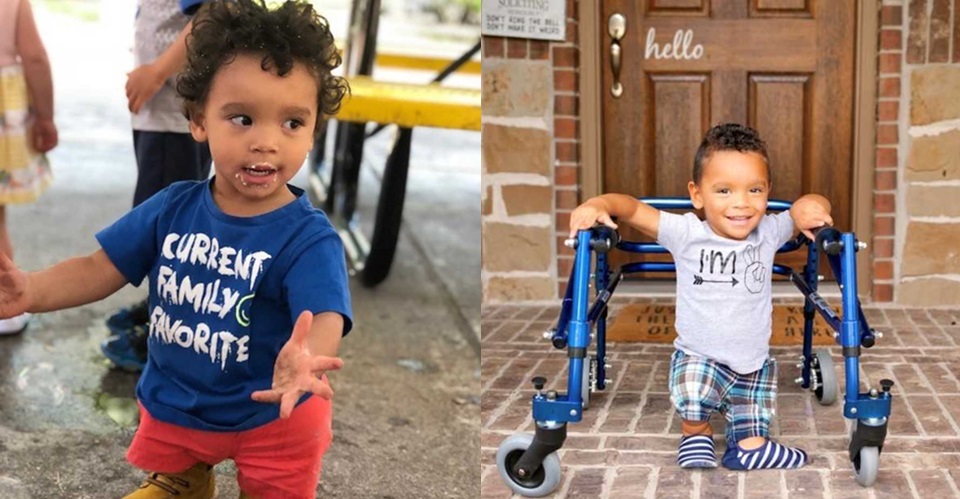
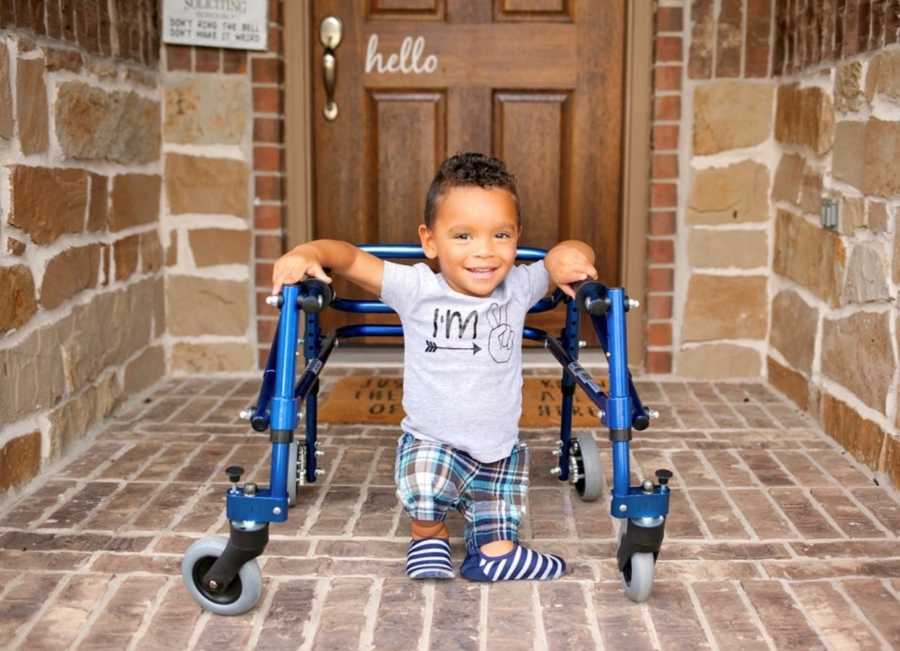
A year after his arrival, Charlie began to surprise everyone. He crawled in his own creative way, laughed constantly, and hit milestones that doctors said would never happen. He no longer showed signs of fetal alcohol syndrome, and his spirit was unstoppable. On National Adoption Day, after 522 days in foster care, Chelsea and her husband made it official. They named him Charles, after his grandfather, a name they’d always loved but never thought they’d use. After his adoption, Charlie began crawling differently, using his hands and feet for balance. Then, one day, he stood up alone and took six tiny, miraculous steps that shattered every prediction. Chelsea cried as she watched him move across the room. Those steps proved that love, stability, and belief can transform what seems impossible.

Now Charlie is a lively toddler who loves swimming, hot dogs, scooters, and sunshine. He doesn’t see his disability as a limitation, and neither does his family. Their house’s motto is simple: “No femurs, no problem.” It’s more than a saying to Chelsea; it’s a reminder that love has no conditions. It’s the story of a little boy who redefined what strength looks like, and a mother who learned that sometimes, the child who needs the most care ends up teaching the world how to live genuinely.