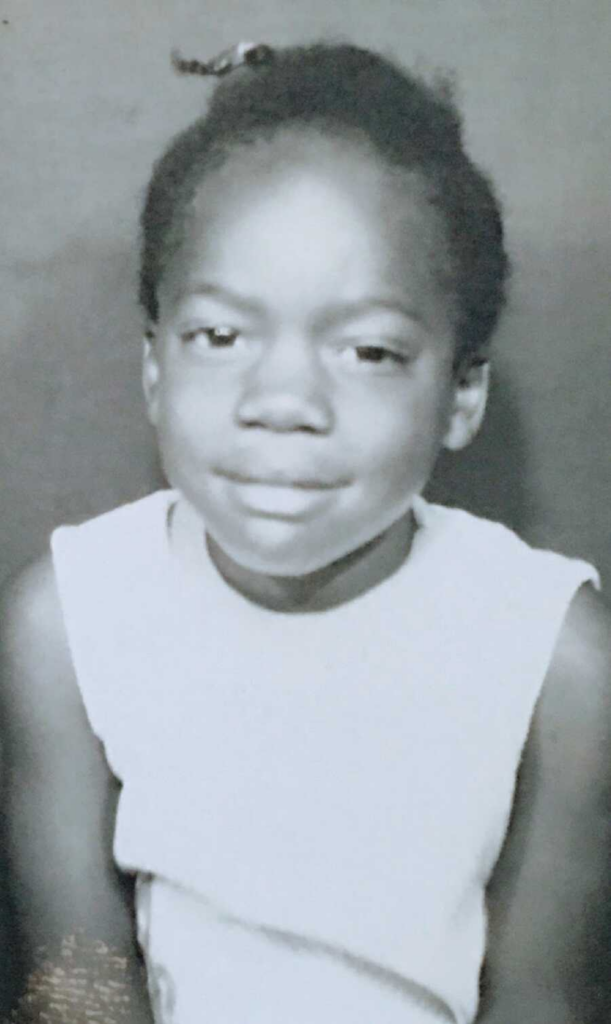
Falisha was born at St. Jude’s Hospital in Montgomery and left a few weeks later in the arms of Mr. and Mrs. Calloway, a couple from Roosevelt City who longed for a child. Her adoption became legal when she was two. She grew up their only child, folded into a web of aunts, cousins, church ladies, and neighbors who treated her kindly most days, yet sometimes as if she did not quite belong. One summer made that feeling sharp—a glamorous cousin visiting from overseas handed out gifts to all the kids. When Falisha stepped forward, the cousin shrugged and said they had “forgotten that gal,” then tossed her a pair of someone else’s panties like a joke. The sting of that moment told Falisha what whispers and looks had been saying for years: she wasn’t part of the tribe.
She asked her mother, shaking, if she had been adopted. Her mother cried, begged her not to leave, and said she was her baby. With no answers at home, Falisha went next door to Mrs. Jennings, the neighbor and former kindergarten teacher. Mrs. Jennings said she remembered when the Calloways brought Falisha home, and that once her birth mother tried to visit but was turned away. A niece close to Mrs. Calloway offered a strange story: Mrs. Calloway left town pregnant and returned with a toddler, which only deepened the mystery. Falisha’s childhood moved forward in pews and hymnals.
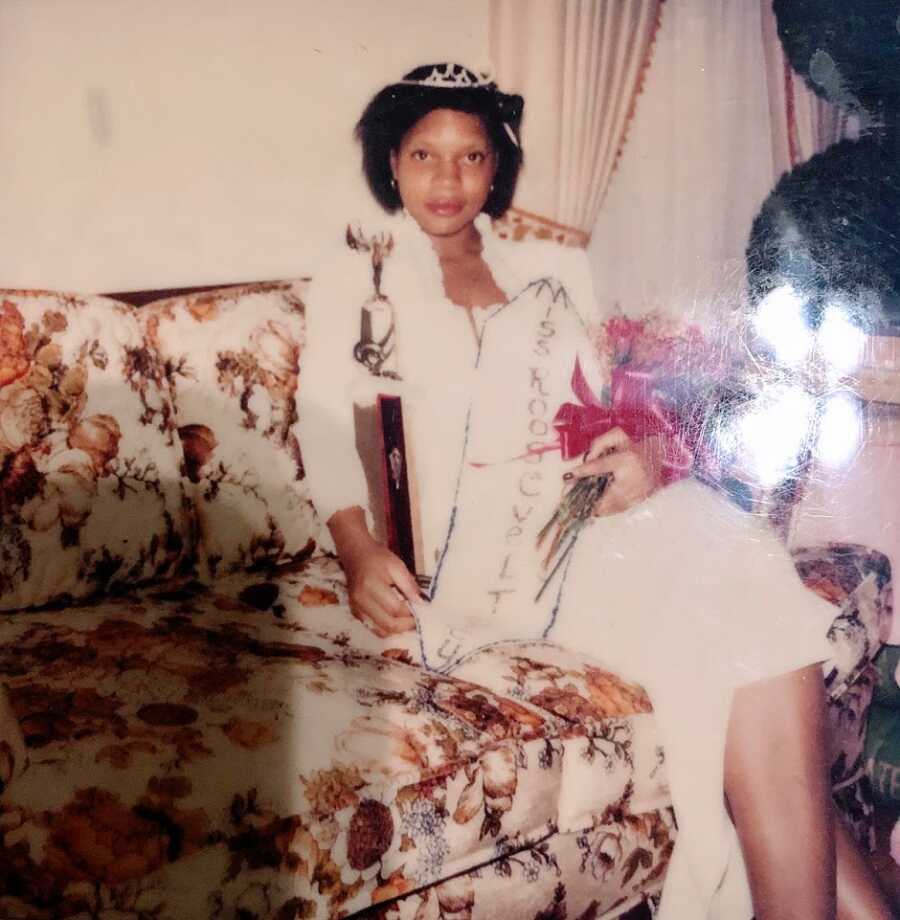
Her adoptive father died when she was four, and her mother, older and very strict, raised her alone. Falisha excelled in school and smiled for photos beside trophy cases, but she scanned faces at family gatherings and saw no mirror of her own. When relatives compared features and said who looked like whom, her name never came up. She lay under the stars at night, dreaming up a future that fit.
At seventeen, she opened an envelope labeled “Insurance Paperwork” and found her adoption decree, original birth certificate, and birth mother’s name. It was proof, but not a path. Alabama sealed adoption records. She called the law firm on the decree and learned the files sat on microfiche, a relic locked behind rules and judges who rarely unsealed records. She became an advocate, joining others who argued that adoptees deserve their histories. Years passed. She asked relatives again. The answers stayed muddy.
In 2021, she gave herself a different key: DNA kits from two companies. While she waited, old wounds pressed on her, as did birthdays, Mother’s Day, and holidays she never quite wanted to celebrate. She had carried the quiet ache of rejection for so long that it felt woven into her identity. But when the results came in, she found a way forward. With help from a “search angel” named Amy, she built family trees, messaged matches, and followed threads. They found a close match, a nephew, and then the call came from a man who said, This is your big brother, Cleve, but they call me Jr.

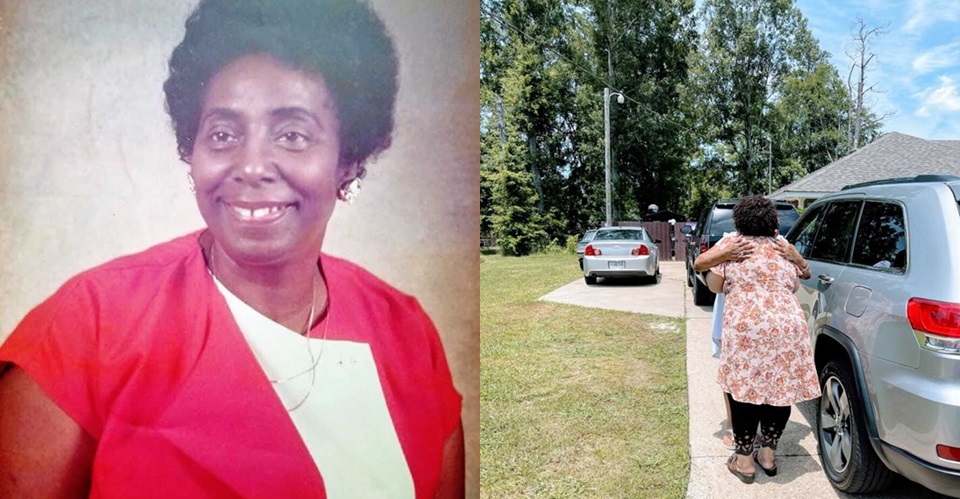
The two talked like people catching up after a long storm. He remembered her as an infant. He explained that their mother, Mary Laster Johnson, later married and used the name Ruffin. Falisha learned that even her siblings had been searching under the wrong names. Doors nailed shut for decades swung an inch, a foot, and broader. Reunion did not make everything easy. She and her siblings came from different worlds and were learning from one another step by step. Some truths had gone to the grave with their mother. But some faces looked like hers now, voices that echoed hers, stories that put puzzle pieces in place.

Falisha holds both gratitude and anger without pretending one cancels the other. She knows what it is to feel unwanted and to search anyway. She knows how sealed records can turn a simple question into a lifelong journey. She also knows that many adoptees carry invisible weight through the world, an ache for connection, a hunger for roots, and a wish to be seen without being told to “just be thankful.” She wants them to know their feelings are real. She urges them to speak, write, join groups, find counselors, and let the truth breathe. Families are complicated; identity is sacred; and silence is heavy. Her story is not about perfect endings. It is about a woman who kept asking, listening, and loving herself enough to keep going.