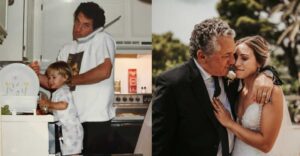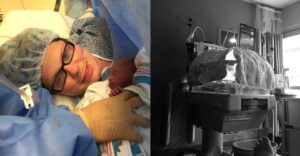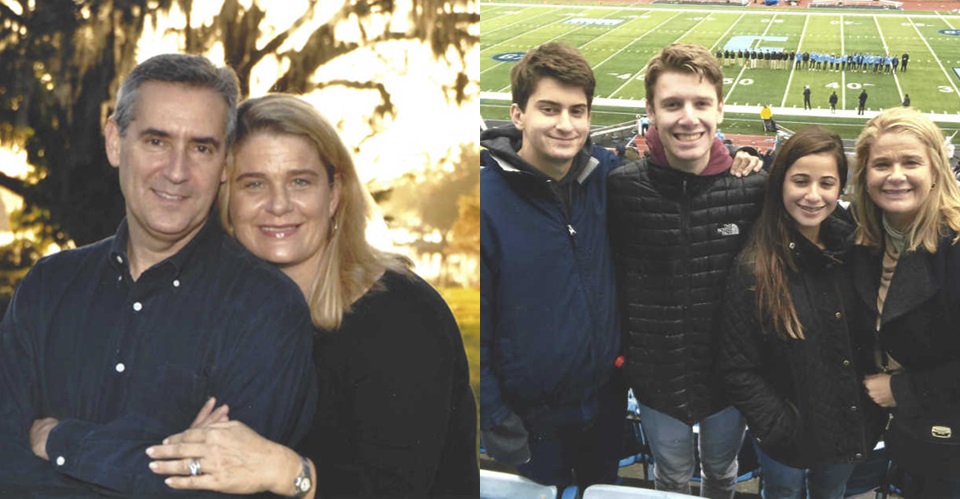
Everything was normal in the spring of 2014. She was a wife, a mother who left her career for the sake of her children’s upbringing. She was married to Alan, a surgeon whose hands smelled faintly of soap. Together, they had built a complete life, not extraordinary but safe and bright. Their mornings were peaceful, filled with small routines, school runs, and unfinished cups of coffee. They also took trips to Mexico for medical missions, helping children who had no one else to turn to for care. But life is not always butterflies and rainbows.
Her husband and mother, Dorrie, had always been the pillars she leaned on, so when she found her lying on the couch, still and unresponsive, it came as a shock one afternoon. Panic rose like a thick, sudden wave, and by the time they reached the hospital, Dorrie was in a coma. She watched the strongest person she knew become weak right in front of her eyes. She was surrounded by machines and tubes, and it got hard for her to breathe as her fingers turned pale. She was not able to process the fear and anxiety; her mind was in a rush, while her body was clueless. How is this possible? How can she just…stop?
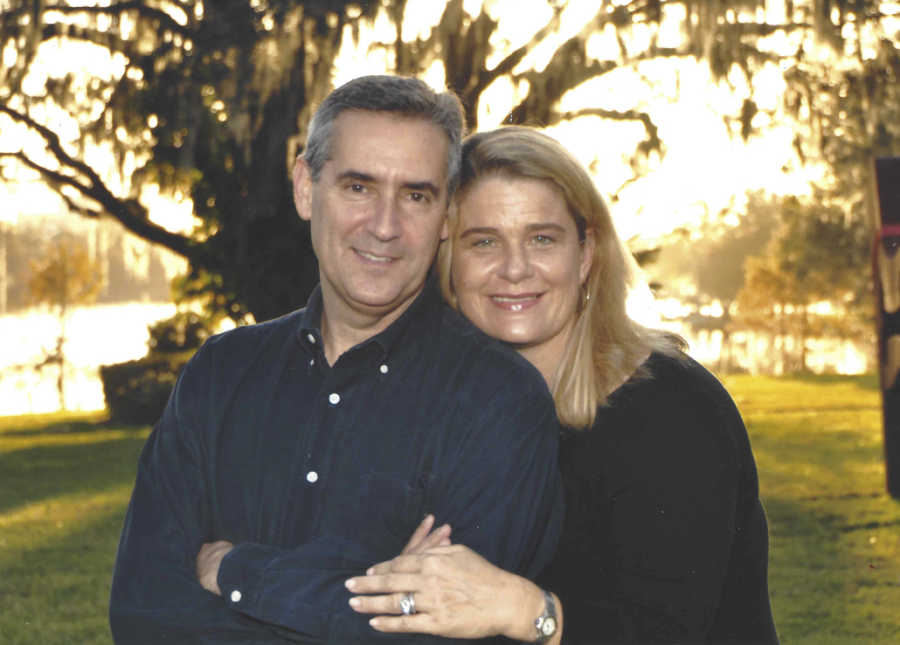
While everything was happening, Alan had also been unwell. He had complained of stomach pain for weeks but managed to get to work anyway. He performed nine surgeries before going for a CT scan. When Alan called her, she paced her mother’s ICU room, the smell of bleach and hand sanitizer clung to her hair while the machines hummed and beeped around her. She felt a mix of Relief and dread when she saw his name.
As she asked him what it was about, her voice was thin. He told her he had been diagnosed with Stage IV pancreatic cancer, with maybe six months to live. And he was nothing more than a walking dead man. Her world collapsed as she heard this. She fell onto her knees, crawling toward her mother’s bed and gripping the cold metal rail. “Mom, I need you. Wake up,” she whispered as her voice cracked.
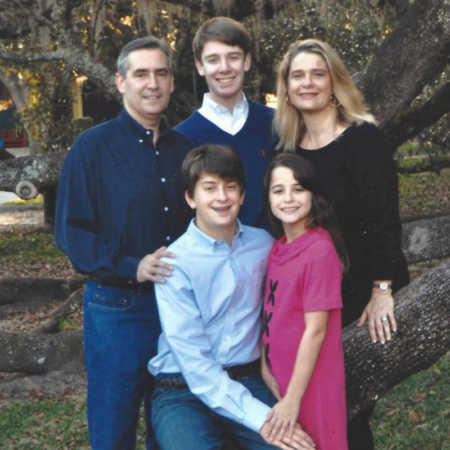
In just a few days, she was alone as the people who had kept her steady were now fighting for their own survival. Days blurred into nights as she moved between hospitals, filling out forms, scheduling tests, tracking results, and collecting medicines. She became a caregiver as her body trembled from exhaustion, while her chest tightened with worry. But she didn’t stop; nothing stopped her, because she wasn’t raised to give up. She had no option; she had to fight thus.
Alan began chemotherapy, and together they searched for every possible way to make it work. Eventually, they found a clinical trial. Time became her worst enemy as, by each passing day, Alan grew weaker, whereas her mother woke for a while, then fell ill again, stuck in a vicious cycle of improvement and setback. Some mornings brought a flicker of hope, and some nights made her feel like she was sinking into quicksand. She used to drive from one hospital to another; those two bedsides were her new world as her coffee got cold, her hands gripped the wheel until they ached. Sometimes the children cried because of the anger. Mostly, they sat silent, staring out the window still.
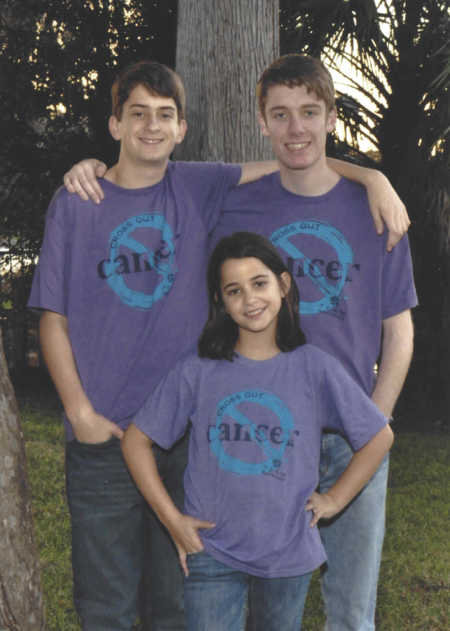
Eventually, Alan’s organs began to fail, and he died on September 27, 2013, quietly, taking a piece of her world with him. Her mother lived for a few more years, but she never really recovered, and she also left, leaving her all alone in 2017. Grief piled up throughout the years; the loss of two of the most important people in her life left her completely changed. She was not the same person.
On a random day, she got an email. It was a video from Alan’s best friend. He was on her phone screen, smiling at her, and he was telling her. “You have been a rock. Your strength. Your spirit. Your courage. Keep being strong. We will meet again.” Her hands shook. And she felt like something lifted from her chest slightly. The next thing was that she began to cry. Ninety seconds of him was like reaching across the silence, although he died, but that fragment of love refused to die. There were more videos for the children, small pieces of him left behind, reminders that love can survive even after someone is gone.
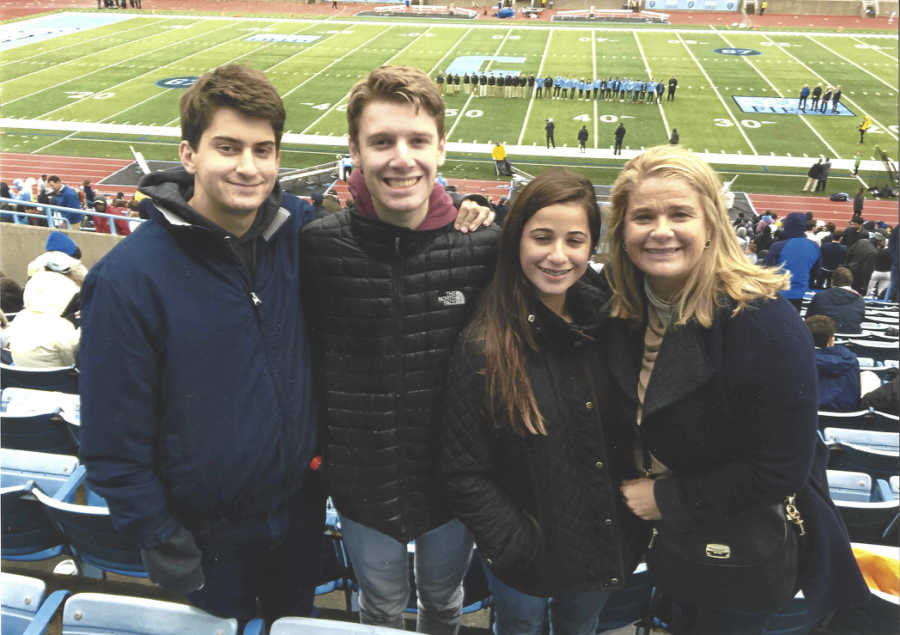
And eventually, she learned to carry grief alongside love. It reshaped her, made her softer, more present, and more alive. She guided others through hospitals, fear, and uncertainty, and along with that, she wrote a book to share her story and helped create a scholarship in Alan’s memory, a gift for children who had lost a parent. She understood time cannot be reversed, nor can it be perfect, but it still holds color, laughter, and small moments of beauty. She learned to listen for the echoes of love, and found herself not only in his memory but herself again.