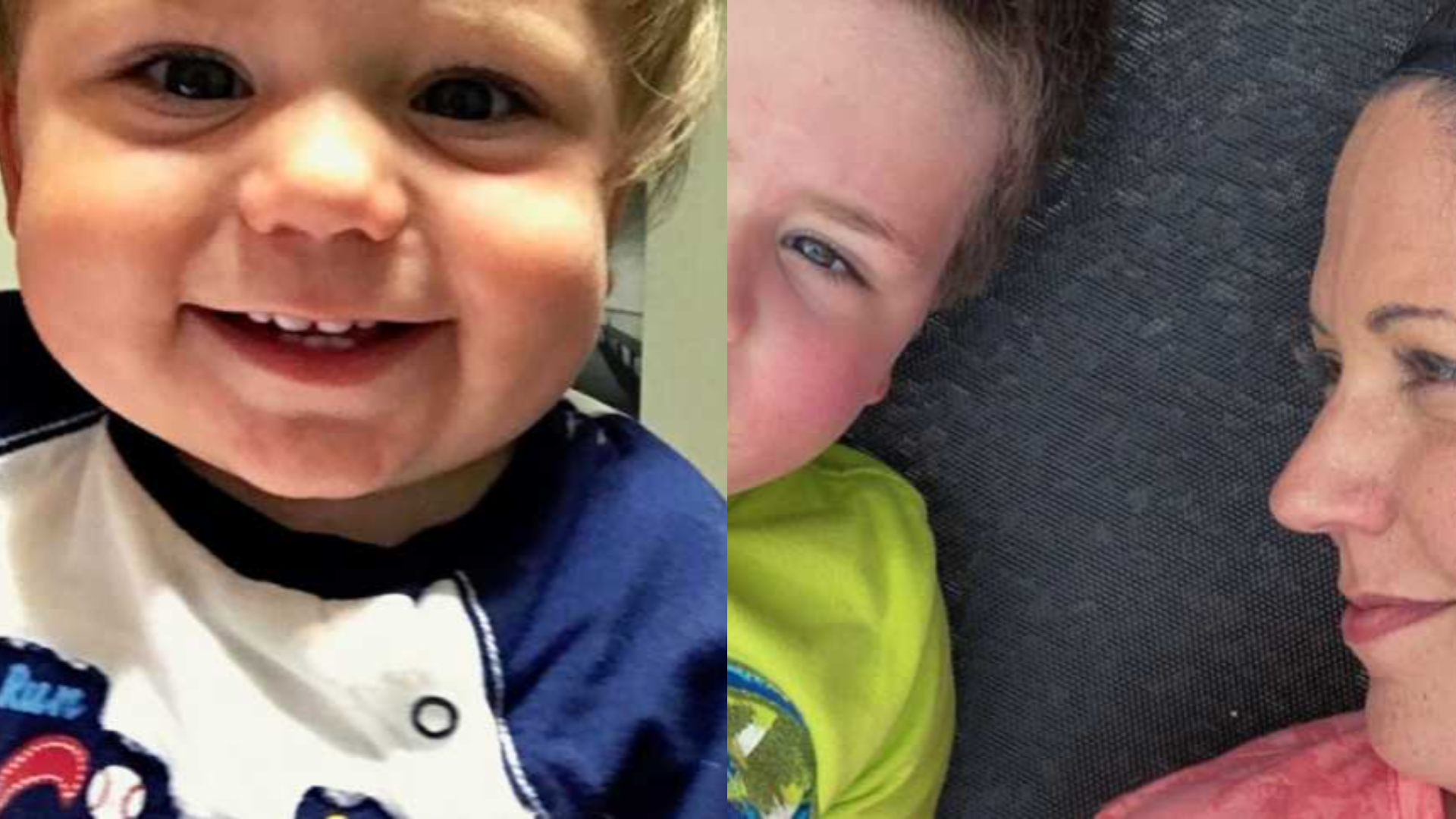
When Austin was only fifteen months old, our lives altered in a split second. He had the worst accident — he fell and bumped his head. The next I knew, we were speeding down the highway in an ambulance on the way to the hospital. I recall grasping his small hand, praying incessantly while everything else seemed like it was moving in slow motion. I wasn’t present when it occurred, so I was still in a daze, trying to grasp everything. That ride felt like an eternity.
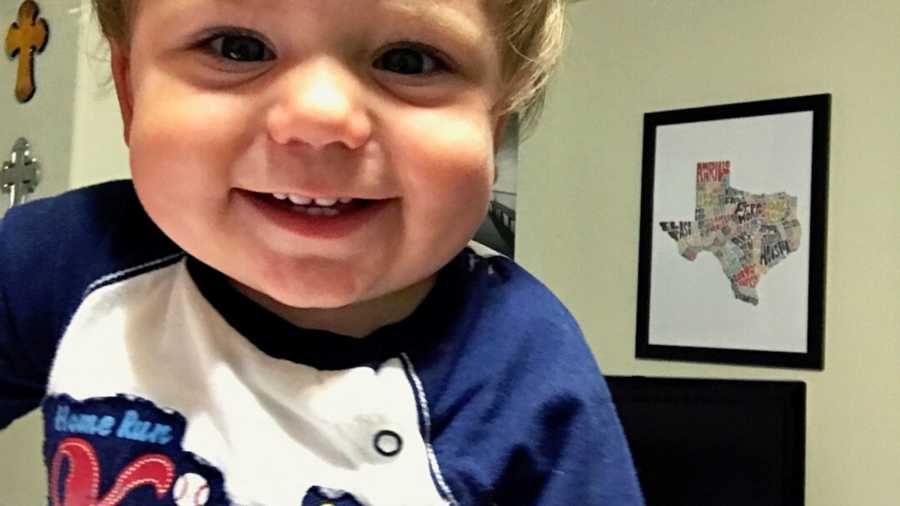
At the hospital, the people moved fast. Austin got a CAT scan while my husband and I stood on the other side of the blinds, hands clasped, praying for good news. After waiting and watching for days, we finally returned home, hoping the worst was over. Soon, however, Austin began seizing. We returned to the hospital, where the same physician who had seen him previously recalled all of the details. It turned out Austin’s blood in his brain wasn’t draining correctly, and he required a VP shunt to be implanted. Just when we believed that he was recuperating, a month later, the malfunction of the shunt led to hydrocephalus. He needed another operation.
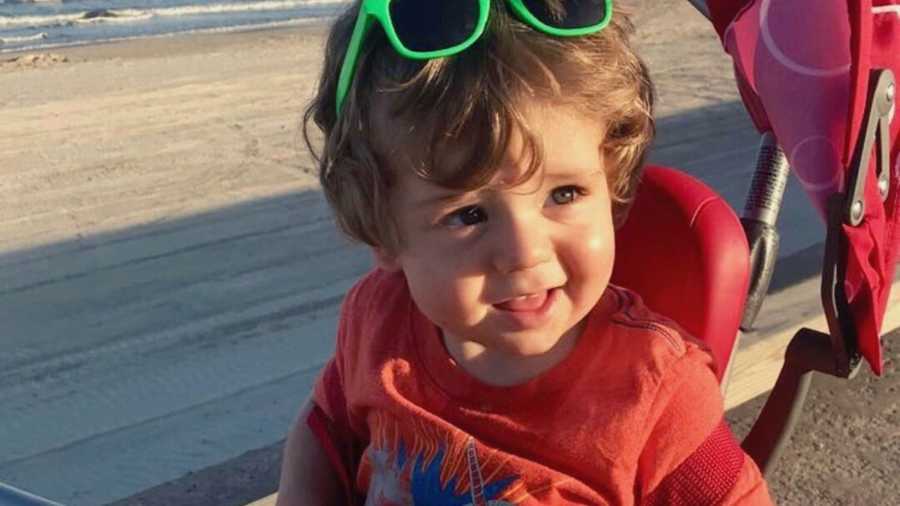
We’d taken him to his pediatrician several times prior to that, but his symptoms were written off as some minor virus. That was the wake-up call — we located a new doctor who didn’t just dismiss things. Despite all this, I still get choked up every time I see an ambulance.
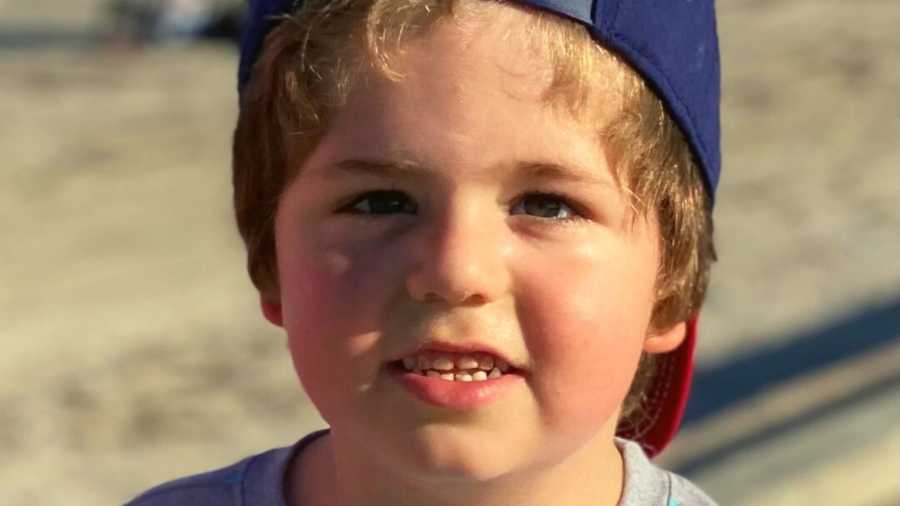
My husband and I were always on high alert, sensing every little difference after his surgery. Austin started therapy — speech, occupational, and physical — and gradually regained the abilities lost. We eventually had to cut over to cheaper early childhood services until he aged out at three and went into a special education pre-K program.
As the years passed, I began to see things about him — the toe walking, the stimming, his difficulty speaking and sensitivity to noise. I knew in my gut something else was at play. When we saw his neurologist, Austin would not make eye contact or react. It took a lengthy questionnaire before the doctor finally uttered the words that forever changed everything: “I’m diagnosing him with Autism Spectrum Disorder.”
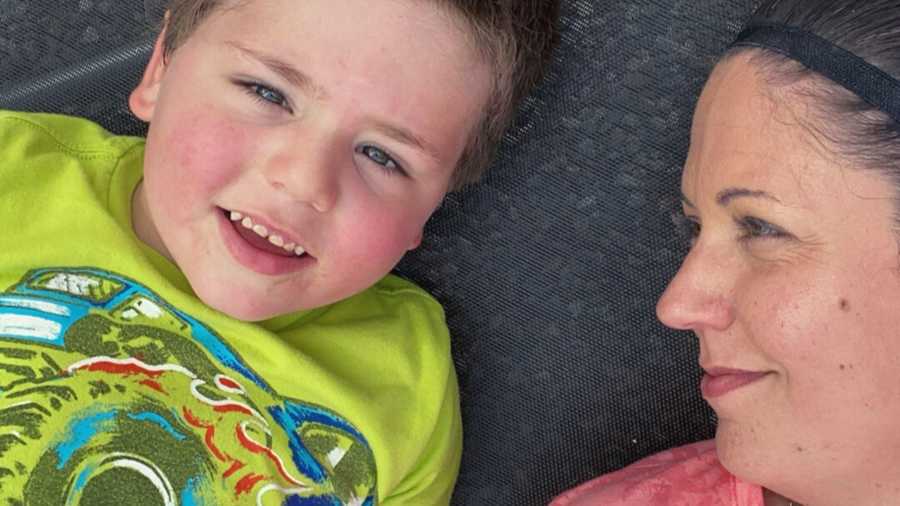
At that point, I felt like I was hovering over my body, observing it all transpire from afar. But to my surprise, I did not feel sadness — I felt relief. We finally had a diagnosis. I knew what to do and how I could assist him. As a mental health professional, I got him into the proper services immediately. Later, genetic testing confirmed Austin as well had 16p 11.2 deletion syndrome.
From there, life gradually became less heavy. We reworked his educational plan, and he flourished. Austin is now four and full of energy. He’s learned to say more than a hundred words, can form short sentences, and demonstrates so much progress each day. He still walks on his toes and stims — I affectionately refer to them as his “happy flaps.” He’s learning to use silverware to eat, adores fruit, despises veggies, and still hates the Birthday Song.
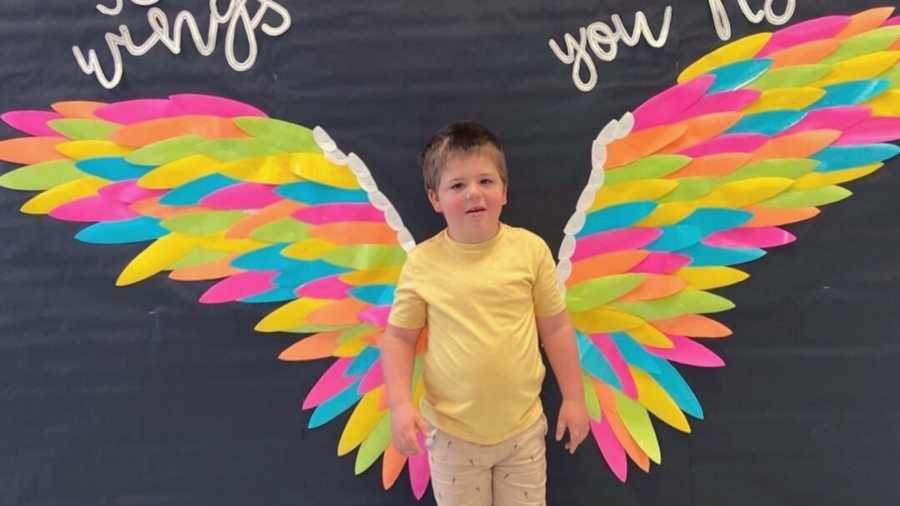
Through Instagram, I met a group of parents who got it — really got it. I didn’t need to explain myself; they just understood. Those friendships became a lifeline.
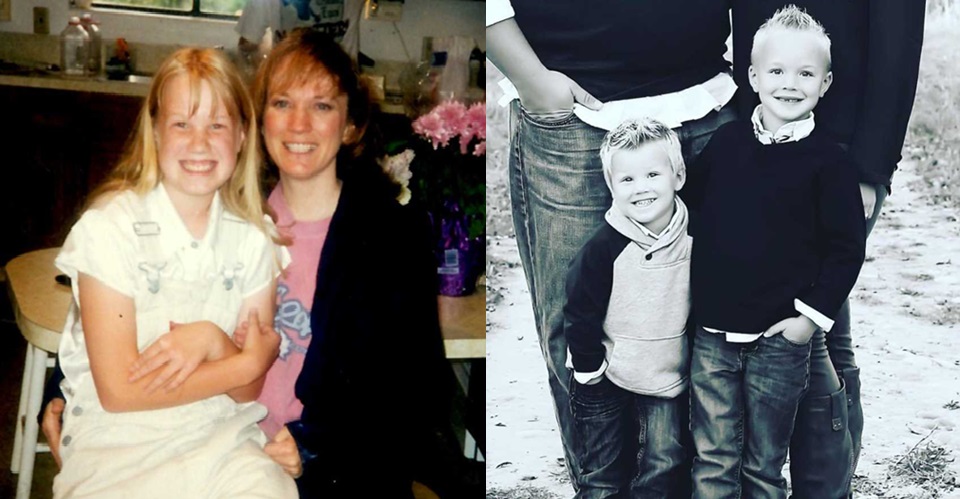
Austin’s diagnosis never changed the child he is. It just provided us with the tools to allow him to shine. He’s a kind boy, a good sense of humor, determined, and the best big brother anyone could ever ask for. Some days are tough, but I prefer to concentrate on the positive — his laughter, his strength, his light.
Austin has undergone numerous surgeries and experienced hundreds of obstacles, but he still manages to surprise me. He does not say “I love you,” but he demonstrates it in each hug, smile, and moment of happiness. He is my heart, my instructor, and my greatest blessing.