The day I met Edna, the evening light was soft—one of those slow, golden hours where the world feels strangely tender. I’d just finished work and was waiting for the bus when I noticed her: a tiny woman in a lilac coat, hands folded over her handbag, eyes following the passing cars like she was searching for something she couldn’t quite name.
She caught my eye because she smiled first. A small, grateful smile, like she was relieved someone else existed in that quiet moment.
“Lovely evening, isn’t it?” she said as I walked up.
I nodded, and just like that, we fell into conversation—easy, unplanned, the kind that sneaks up on you and somehow feels important.
Her name was Edna, she told me, 91 years old. She spoke with a softness that made you lean in a little. When I asked what brought her into town so late in the day, she hesitated, then laughed at herself.
“Oh, nothing in particular,” she said. “I just needed to get out of the house. It gets awfully quiet since my husband passed. Fifty-five years together, and now it’s just…me.” She touched the edge of her sleeve. “Sometimes you go into town just to remember there are people.”
Something in the way she said it—lightly, almost cheerfully—hit me right in the chest. I could picture her sitting alone in the same armchair every evening, waiting for a voice that would never fill the room again.
We kept talking until the bus came. She told me about the garden she used to tend with her husband, the music he loved, the way he’d tap her shoulder twice when he was about to tell a joke. Little things she said casually, but each detail felt like a tiny thread tying her life to mine.

Just before she stepped onto the bus, she turned back to me as though weighing a decision.
“You’re very easy to chat with,” she said, eyes twinkling. “It’s been a long time since I’ve had a proper talk.”
Maybe it was the way she looked at me—hopeful, shy, grateful—that made me speak without thinking.
“Can I visit you sometime?” I asked. “For a cup of tea? I’d love to hear more stories.”
Her face lit up so suddenly and so brightly that I’ll never forget it.
“Oh! Well…yes,” she said, almost whispering. Then she fished around in her handbag for a pen. “Let me give you my number. I hope that’s not too forward of me.”
When she handed me the slip of paper, I felt like I’d just been trusted with something fragile and precious.
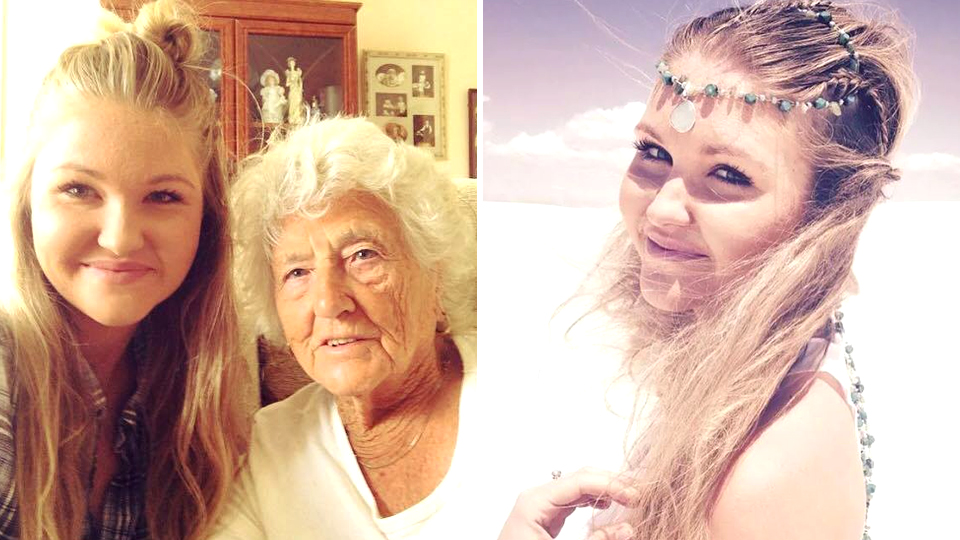
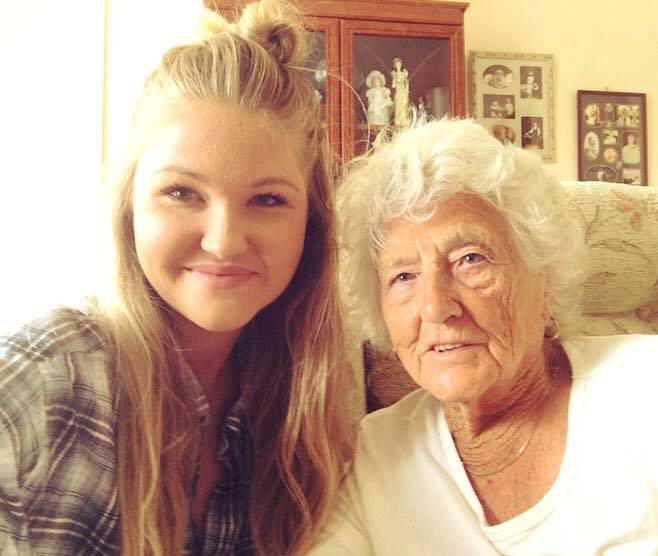
Later, when we exchanged messages, Edna told me she had just taken her first selfie. She sent it with a proud little note—‘I’m not sure I did it right, dear. My hair’s a fright!’
But she looked adorable, smiling at the camera with a mix of mischief and accomplishment. Ninety-one years old and still learning new things. Still choosing connection. Still choosing to show up in a world that had taken so much from her.
The first time I visited, her kettle was already warming, and she had laid out two mismatched cups “because these have the nicest clink,” she said. She remembered everything I’d told her at the bus stop—my job, my dog, even the story I’d mentioned about my mum’s burnt shepherd’s pie.
We talked for hours. About her husband’s favourite radio shows. About the way she still sometimes wakes up expecting him to shuffle into the kitchen. About the loneliness that sits in the corners of her house, quiet but heavy.
And somewhere in the middle of all that—between her laughter, her honesty, her courage—she became my friend.
Not my “adopted grandma,” not a charity case, not a duty.
Just my mate Edna.
She told me once, in a rare moment of vulnerability, “You know, I didn’t think anyone would want to spend time with an old woman like me. But you make me feel…alive again.”
I told her the truth: “You make the world feel kinder.”
Now, every visit with her feels like stepping into a small, warm chapter of life I didn’t know I was missing—cups of tea, stories of love that lasted half a century, laughter that fills the room the way her husband’s voice once did.
Meeting her at that bus stop wasn’t an accident. It was a beginning.
And I think—for both of us—it was exactly what we needed.
Credit: Gemma Louise Donhou